



Men’s fashion: The Ultimate Guide to Elevate Your Style
Men’s fashion is more than just clothing; it is an expression of identity, confidence, and personal style. For many, navigating the vast landscape of trends, timeless pieces, and sartorial rules can feel daunting. However, understanding the core principles can empower any man to build a wardrobe that not only looks good but also feels authentically ‘him’. This comprehensive guide will help you decipher the nuances of modern men’s fashion, offering practical advice to refine your aesthetic and dress with purpose. We will explore everything from foundational garments to the art of accessorizing, ensuring you develop a style that truly represents you.
Understanding the Fundamentals of Men’s Fashion
Before diving into specific items or trends, it is crucial to grasp the foundational elements of men’s fashion. These principles serve as the bedrock for any well-curated wardrobe. Truly, a strong understanding here simplifies all future styling decisions and helps you make informed choices.
Building a Versatile Wardrobe
A versatile wardrobe forms the cornerstone of practical style. Essentially, focus on pieces that can be mixed and matched effortlessly across various occasions. For instance, neutral colors like navy, grey, black, and white provide excellent bases, allowing for greater flexibility. These foundational hues mean you can create numerous outfits from a smaller, more efficient collection of clothes. Consequently, you can maximize your options without overcrowding your closet. Therefore, invest in quality over quantity, as durable, well-made items will serve you longer and look better.
The Importance of Fit
Fit is arguably the most critical aspect of looking good, regardless of cost or brand. Ill-fitting clothes, whether too baggy, too tight, or simply the wrong length, detract significantly from your appearance. Conversely, well-fitting garments instantly elevate your look, making even basic outfits appear polished. Always ensure your clothes contour naturally to your body without restricting movement or appearing stretched. This applies to everything from t-shirts to suits. Consider tailoring as a worthwhile investment; it can transform an average suit or pair of trousers into something extraordinary and custom-made. Ultimately, a perfect fit projects confidence, professionalism, and an understanding of sophisticated style.
Color Coordination and Patterns
Mastering color coordination is another fundamental skill in men’s fashion. Begin with understanding complementary colors and analogous schemes, which can guide your pairing choices. Generally, sticking to a maximum of three colors in an outfit prevents visual clutter and maintains a cohesive look. Moreover, patterns, when used judiciously, add depth, texture, and personality to your ensemble. Start with subtle patterns like thin stripes, discreet checks, or micro-dots. Remember, combine patterns carefully; usually, one statement pattern per outfit is sufficient to avoid overwhelming the eye. However, do not be afraid to experiment once you understand the basic rules, as breaking them creatively can lead to unique personal expressions.
Timeless Staples Every Man Needs for His Wardrobe
Certain garments transcend fleeting trends, establishing themselves as enduring pillars of men’s fashion. These timeless staples form the core of any functional and stylish wardrobe. Investing in these versatile pieces ensures you always have reliable options for almost any situation, providing a strong foundation upon which to build.
Classic Shirts and Trousers
A crisp white dress shirt is indispensable for formal and business settings; moreover, a light blue oxford shirt offers unparalleled versatility for both casual and smart-casual scenarios. For trousers, dark wash jeans are a must-have, offering comfort, durability, and a classic aesthetic. Additionally, a pair of well-tailored chinos in a neutral shade like khaki, navy, or olive is incredibly adaptable, perfect for a range of semi-formal to casual looks. Furthermore, wool dress trousers are essential for more formal occasions or when pairing with a blazer. These items are the foundational workhorses of a man’s closet, offering endless pairing possibilities.
Essential Outerwear
Outerwear not only provides protection from the elements but also completes an outfit, adding layers of style and sophistication. A classic trench coat is elegant and practical, particularly for transitional weather, offering a refined silhouette. Similarly, a well-fitting blazer, perhaps in navy or charcoal, instantly elevates almost any ensemble, from jeans to dress trousers. For more casual days, a rugged denim jacket or a sleek bomber jacket adds a touch of youthful sophistication and edge. Furthermore, a simple, well-made overcoat in winter offers both warmth and undeniable style. Consequently, choosing the right outerwear can significantly enhance your overall look and provide versatility.
Footwear Foundations
The right shoes can truly make or break an outfit, acting as a crucial indicator of attention to detail. Therefore, invest wisely in quality footwear that offers both style and comfort. Classic leather oxfords or brogues are essential for formal and business attire, projecting professionalism. For smart-casual looks, consider versatile options like refined loafers, chukka boots, or sleek leather Chelsea boots. Furthermore, a clean pair of white minimalist sneakers offers unparalleled versatility for casual outfits, pairing well with almost anything. Always ensure your shoes are well-maintained, polished, and clean; indeed, scuffed or dirty shoes can ruin an otherwise perfect ensemble and diminish your overall presentation.
Navigating Current Men’s Fashion Trends
While timeless pieces are crucial for a solid foundation, staying aware of current men’s fashion trends keeps your style fresh, modern, and relevant. However, the key is to adapt trends intelligently, rather than slavishly following every fleeting fad. Trends evolve rapidly; therefore, discernment and a personal filter are vital.
Adapting Trends to Your Style
Not every trend will suit your personal aesthetic, body type, or lifestyle. Instead, selectively incorporate elements that resonate with you and complement your existing wardrobe. For example, if oversized silhouettes are trending, try a slightly relaxed fit shirt or a wider-leg trouser rather than a full-on baggy look that might overwhelm your frame. Consider how a new trend integrates with your current pieces and if it truly enhances your look. Ultimately, trends should serve as inspiration to evolve and refresh, not to completely redefine, your unique personal style. Your comfort and confidence in the clothing are paramount.
Sustainable and Ethical Fashion
A significant and increasingly important trend in contemporary men’s fashion is the move towards sustainability and ethical production practices. Consumers are increasingly demanding transparency from brands regarding their environmental impact and labor conditions. Therefore, look for brands committed to environmentally friendly materials, reduced waste, and fair labor practices throughout their supply chain. Investing in high-quality, durable pieces also inherently contributes to sustainability by reducing the need for frequent replacements and decreasing overall consumption. This conscious approach not only benefits your wardrobe with lasting items but also aligns with a responsible and forward-thinking lifestyle.
Dressing for Every Occasion
Understanding appropriate dress codes for various occasions is a hallmark of sophisticated men’s fashion. Different settings demand different approaches and levels of formality. Thus, knowing the rules and expectations helps you dress confidently and respectfully for any event.
Casual and Smart-Casual
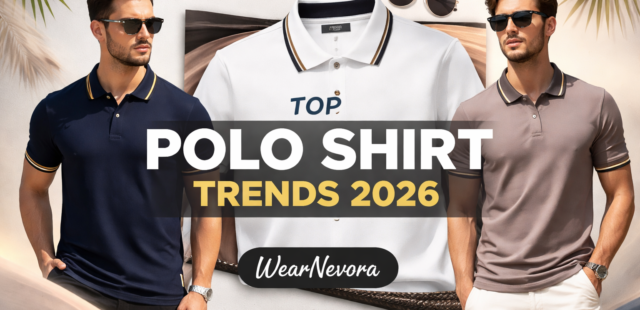
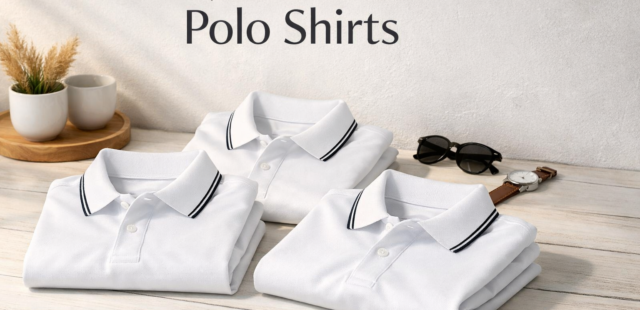
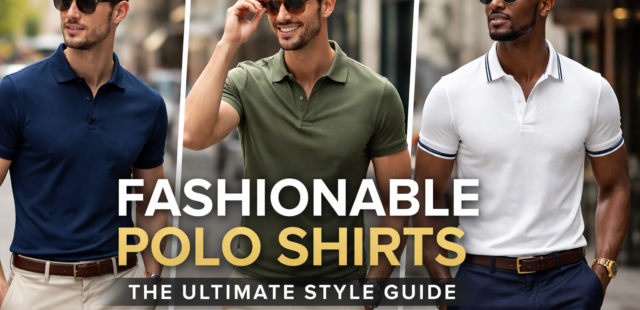
For truly casual outings, comfort and personal expression are paramount. Think well-fitting jeans, comfortable t-shirts, stylish polo shirts, and casual sneakers or boots. This is your go-to for relaxed weekends or informal gatherings. Smart-casual, however, requires a slight elevation from pure casual. This might involve chinos or dark wash jeans, a button-down shirt (often untucked if appropriate), a lightweight sweater, or a sport coat/blazer paired with loafers, desert boots, or clean minimalist sneakers. The goal is to look put-together and thoughtful without being overly formal. Consequently, smart-casual is arguably the most common and versatile dress code today, allowing for significant personal interpretation.
Business and Formal Wear
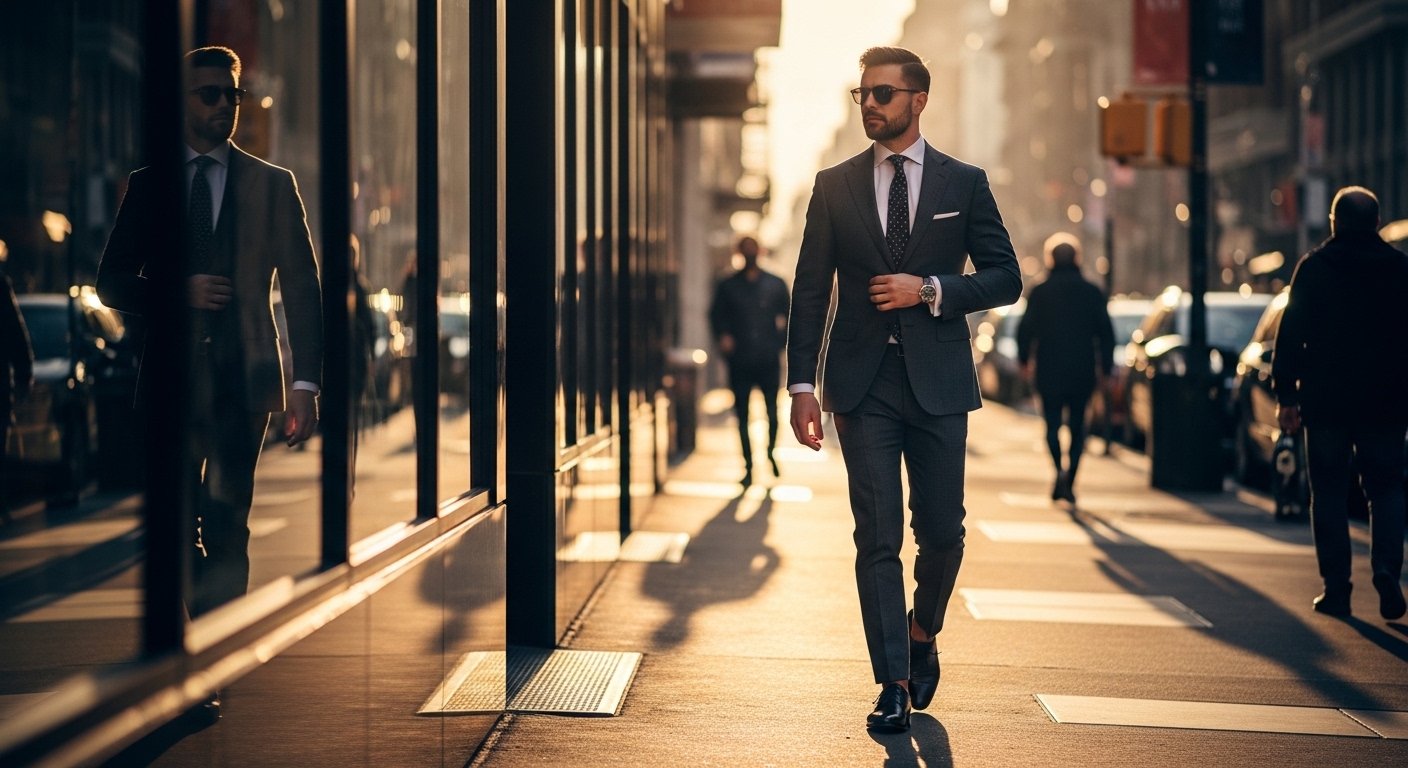
Business attire typically means suits, ties, and polished dress shoes. For professional office settings or important meetings, a charcoal or navy suit is a safe, stylish, and highly respected choice. Always ensure your suit is properly tailored for a sharp, flattering silhouette. Formal wear, such as black tie, demands a tuxedo, a crisp white dress shirt, a black bow tie, and patent leather dress shoes. Understanding these distinctions prevents embarrassing sartorial missteps and demonstrates respect for the occasion and hosts. Moreover, paying attention to smaller details like cuff links, pocket squares, and tie clips significantly enhances a formal look. Clearly, proper formal attire is an essential component of a well-rounded wardrobe.
The Power of Accessories in Men’s Fashion
Accessories are the finishing touches that can elevate an outfit from good to great, transforming a basic look into a statement of personal style. They offer an excellent opportunity to inject personality, sophistication, and polish into your men’s fashion choices. Therefore, never underestimate their subtle yet powerful impact.
Watches, Belts, and Ties
A quality watch is more than a time-telling device; it is a significant statement piece that reflects your taste and attention to detail. Choose a style – be it a classic dress watch, a versatile diver, or a modern minimalist piece – that complements your overall aesthetic and lifestyle. Belts should always match your shoes in color and material, especially in business and formal settings, creating a cohesive line. Ties, furthermore, add color, pattern, and texture to a suit or blazer ensemble, allowing for personal expression. Learn different knot styles like the Four-in-Hand or the Windsor to vary your look. Ultimately, these small, carefully chosen details speak volumes about your understanding of refined style.
Bags and Eyewear
A stylish bag is both highly functional and a crucial fashion accessory. A sleek leather messenger bag, a sophisticated briefcase, or a modern, minimalist backpack can perfectly complement a professional or smart-casual outfit, carrying your essentials with elegance. Likewise, eyewear, whether prescription glasses or sunglasses, significantly impacts your face and overall appearance. Choose frames that suit your face shape and personal style, as they are often the first thing people notice. Truly, well-chosen accessories tie an entire look together, showcasing your meticulous attention to detail and your comprehensive understanding of contemporary men’s fashion.
Developing Your Personal Style
Ultimately, the goal of exploring men’s fashion is to develop a personal style that authentically reflects who you are, your values, and your aspirations. This journey is unique for everyone, involving self-discovery and continuous refinement. Therefore, embrace experimentation and be patient with the process.
Inspiration and Experimentation
Look for inspiration from various sources: fashion magazines, online style blogs, social media influencers, and even well-dressed individuals you admire in everyday life. However, do not simply copy; instead, take elements that appeal to you and adapt them to your own context. Experiment with different colors, textures, and silhouettes that you might not typically consider. Try on clothes outside your comfort zone. Sometimes, the most unexpected combinations yield the best results and reveal new aspects of your style. Moreover, personal style is not static; it evolves as you do, so be open to continuous change and refinement.
Confidence is Key
No matter how perfectly tailored your suit, how high-quality your fabrics, or how trendy your sneakers, confidence is truly the ultimate accessory in men’s fashion. When you feel good, comfortable, and authentic in what you are wearing, it radiates outwards, making your entire look more appealing. Wear your clothes with conviction; do not let your clothes wear you. Consequently, developing your personal style is an ongoing process of self-expression, self-assurance, and embracing who you are. Embrace the journey and enjoy the transformation into your most stylish self.
Conclusion
Men’s fashion is a dynamic and deeply personal journey, offering endless opportunities for self-expression. By understanding the fundamentals of fit, color, and versatility, and by investing in timeless staples, you can build a strong foundation for any wardrobe. While staying informed about current trends is beneficial, the true art lies in adapting them to suit your unique personal style. Ultimately, dressing well is about confidence and authenticity. Embrace the exploration, refine your choices, and enjoy the transformative power of a well-curated look that truly reflects the man you are.
If you value comfort, durability, and modern design, then Wear Nevora is a brand worth exploring.
Feel free to contact us on WhatsApp or visit our Contact Page for any questions or support.
Frequently Asked Questions (FAQ)
Q1: What are the absolute essential pieces for a beginner in men’s fashion?
A1: For beginners, focus on versatile basics: dark wash jeans, tailored chinos, a crisp white dress shirt, a light blue oxford shirt, a navy blazer, classic leather dress shoes (oxfords or brogues), and clean white sneakers. These pieces can be mixed and matched for many occasions.
Q2: How important is tailoring for men’s clothing?
A2: Tailoring is extremely important; it can elevate even inexpensive garments to look high-end. A good fit is paramount for projecting confidence and polish. Ensure suits, trousers, and even shirts are altered to fit your specific body measurements, especially in the shoulders, sleeve length, and pant break.
Q3: How can I develop my personal style without spending a lot of money?
A3: Developing personal style doesn’t require a huge budget. Start by decluttering your current wardrobe and identifying what you already like. Focus on quality over quantity. Shop sales, thrift stores, or consider sustainable brands. Look for inspiration, then experiment with what you already own. Most importantly, prioritize fit and learn how to combine pieces creatively. Confidence in your choices is free and makes any outfit look better.