






Hoodies and Sweatshirts: The Ultimate Guide to Comfort and Style
Hoodies and sweatshirts have long transcended their athletic origins, evolving into indispensable staples in wardrobes worldwide. These versatile garments are celebrated for unparalleled comfort and significant styling potential. From casual loungewear to sophisticated layering pieces, the appeal of hoodies and sweatshirts is truly universal. Understanding their nuances, rich history, and diverse styling possibilities can significantly enhance your personal fashion choices. This comprehensive guide will delve deep into everything you need to know about these iconic garments.
The Enduring Appeal of Hoodies and Sweatshirts
The enduring popularity of hoodies and sweatshirts is hardly a mystery. Primarily, they offer a perfect blend of comfort, practicality, and effortless style. On a chilly morning, a soft fleece hoodie provides instant warmth. Furthermore, a classic cotton sweatshirt serves as an ideal everyday layer. Their democratic nature means they are embraced by people of all ages and walks of life. Indeed, their inherent simplicity allows them to adapt to countless trends, making them truly timeless pieces in fashion.
A Brief History: From Utility to Fashion Icon
The journey of these garments from functional athletic wear to high-fashion statements is fascinating, spanning nearly a century. Initially, their designs prioritized utility and durability.
The Rise of the Hoodie
The hoodie, as we know it, emerged in the 1930s. Champion Products is widely credited with inventing the first mass-produced hooded sweatshirt. Workers in cold New York warehouses needed practical garments for warmth; therefore, the hooded design provided essential protection from the elements. Soon after, athletes adopted them for sideline wear. By the 1970s, hip-hop culture embraced the hoodie, transforming it into a powerful symbol of urban cool. Subsequently, its pervasive presence in popular culture solidified its status as a global fashion icon.
Sweatshirts: An Athletic Origin Story
The sweatshirt’s history also began in the early 20th century. Russell Athletic is often credited with creating the first true sweatshirt in 1926. Previously, athletes wore itchy wool jerseys; however, Benjamin Russell Jr. sought a more comfortable, breathable alternative. His father, who owned a textile factory, developed a new all-cotton jersey fabric. This innovative garment offered superior comfort and allowed for better movement, quickly replacing traditional wool. Consequently, the sweatshirt became synonymous with athletic training and casual wear.
Understanding the Differences: Hoodies vs. Sweatshirts
While often grouped, there are distinct differences between hoodies and sweatshirts. Recognizing these can help you make informed choices based on your needs and style preferences.
Key Distinguishing Features
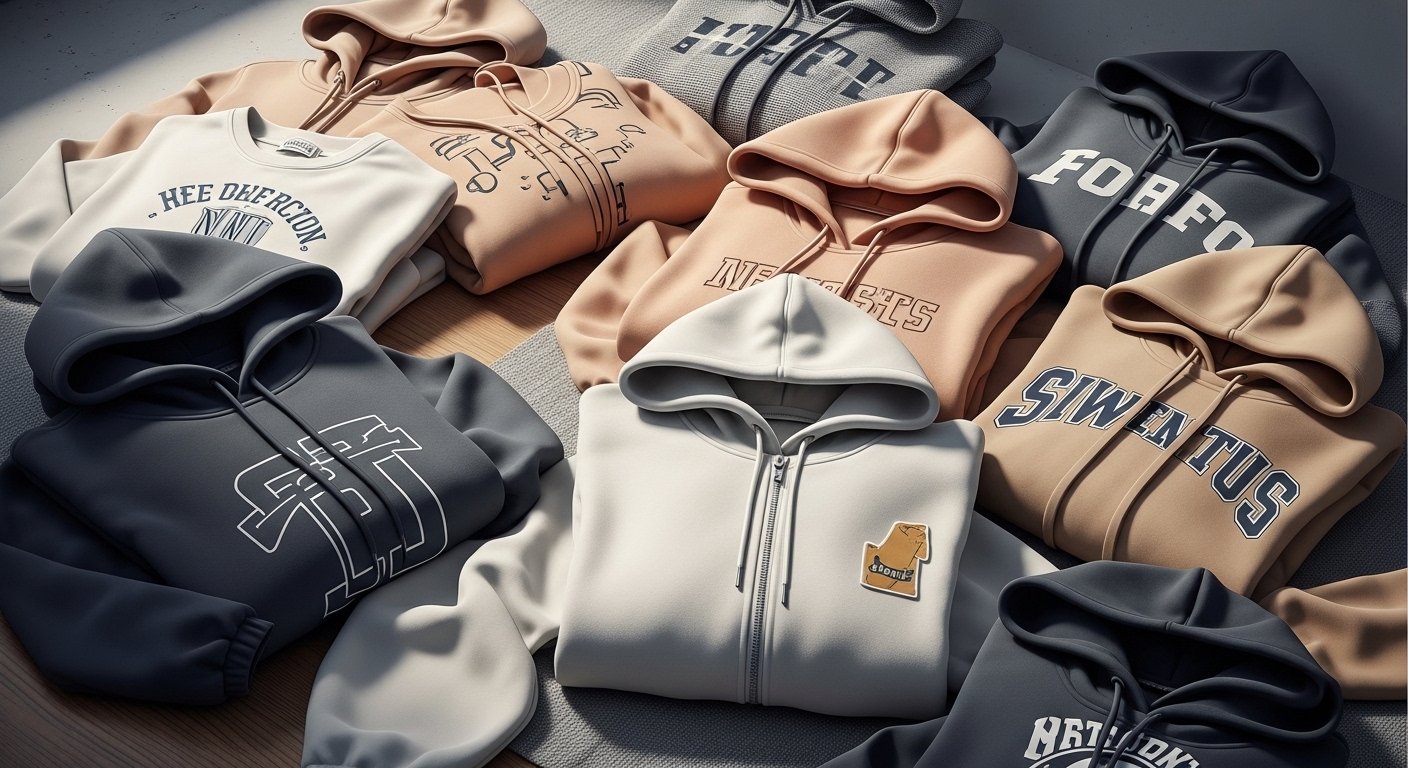
The most obvious difference lies in the hood. A hoodie includes a hood, frequently with drawstrings. This feature provides extra warmth and protection from wind or light rain. Conversely, a sweatshirt is typically a crew-neck garment, lacking a hood, offering a simpler aesthetic. Additionally, hoodies often feature a front pouch pocket or a full-zip closure. Sweatshirts usually maintain a simpler, pull-over design without these additions. Therefore, your choice often depends on the level of functionality and specific style you seek.
When to Choose Which
For maximum warmth, head protection, and a distinctly casual vibe, a hoodie is the superior choice, especially during cooler weather. It’s excellent for casual outings, workouts, or lounging. On the other hand, a sweatshirt offers a cleaner, more streamlined look. It’s often preferred for layering under jackets or blazers, as the absence of a hood prevents bulkiness. Moreover, many find sweatshirts more appropriate for smart-casual settings where a hood might appear too informal. Ultimately, both garments serve distinct purposes, yet they both consistently deliver comfort and style.
Fabric Matters: Materials for Comfort and Durability
The material composition of hoodies and sweatshirts significantly impacts their feel, warmth, and longevity. Understanding common fabrics is crucial for making a good purchase.
Cotton: The Classic Choice
Cotton is arguably the most popular material for both hoodies and sweatshirts. It is valued for being soft, breathable, and comfortable against the skin. Furthermore, cotton is a durable natural fiber and relatively easy to care for. You’ll encounter different types of cotton, such as ringspun cotton for a softer feel, or organic cotton for an eco-friendlier option. However, 100% cotton can be prone to shrinking if exposed to high heat; therefore, always check the care label. The weight of cotton (GSM) indicates its thickness.
Fleece: Warmth and Softness
Fleece, commonly made from polyester, is renowned for its exceptional warmth, plush texture, and lightweight feel. It effectively traps body heat, making it an excellent choice for colder climates and outdoor activities. Additionally, fleece is typically quick-drying and durable. Many hoodies and sweatshirts feature a brushed fleece interior for enhanced insulation. While effective at providing warmth, some synthetic fleeces can be less breathable than natural cotton. Recycled polyester fleece is also gaining popularity.
Blends: Performance and Longevity
Fabric blends combine the best properties of different fibers. For instance, a cotton-polyester blend offers the softness of cotton with the added durability, wrinkle resistance, and reduced shrinkage of polyester. This combination often results in a garment that holds its shape better and lasts longer. Other blends might include rayon for a silky feel or spandex for added stretch, particularly beneficial in activewear hoodies and sweatshirts to enhance freedom of movement. These engineered fabrics offer specific performance benefits, balancing comfort with functionality.
Styling Your Hoodies and Sweatshirts
One of the greatest strengths of hoodies and sweatshirts is their unparalleled versatility in styling. They can be effortlessly dressed up or down, suitable for a wide range of occasions.
Casual Everyday Looks
For a classic casual ensemble, pair a simple, well-fitting hoodie with your favorite jeans and comfortable sneakers. This look is effortlessly cool and comfortable. A crew-neck sweatshirt can be styled similarly, perhaps with chinos for a slightly more refined vibe. Accessorize with a baseball cap or a beanie to complete the relaxed aesthetic. Moreover, for a laid-back weekend, combine your softest sweatshirt with matching joggers or track pants for ultimate relaxation. Oversized hoodies pair well with leggings or bike shorts for a comfortable streetwear look.
Layering for Different Seasons
Both hoodies and sweatshirts excel as versatile layering pieces. In cooler weather, wear a hoodie underneath a denim jacket, a bomber jacket, or a heavy parka for added insulation. The hood can peek over the outer layer, adding visual texture. Similarly, a well-chosen sweatshirt layers beautifully under a structured peacoat or a trench coat, providing warmth without bulk. During transitional seasons, simply wear them over a basic t-shirt; this allows you to easily remove a layer if the temperature rises.
Elevating Your Style: Smart Casual Options
While inherently casual, hoodies and sweatshirts can be integrated into sophisticated smart-casual outfits. The key lies in selecting the right pieces and pairing them thoughtfully. For example, a well-fitting, minimalist hoodie in a solid, neutral color and a premium fabric can be worn under a tailored blazer or sport coat. Pair this with dark, crisp trousers or tailored chinos and clean, minimalist leather sneakers or loafers for a contemporary, polished look. Likewise, a premium quality sweatshirt, perhaps in a subtle textured knit or muted color, can be paired with tailored wool trousers and sleek Chelsea boots for an elevated, yet comfortable, aesthetic. The emphasis here is on good fit, high-quality materials, and a curated approach.
Choosing the Right Fit: Comfort Meets Style
The fit of your hoodies and sweatshirts is paramount to both comfort and how stylish they appear. Different fits cater to different preferences.
Understanding Common Fits
- Classic/Regular Fit: Offers comfortable room without being baggy. Generally true to size, allows for easy layering.
- Slim Fit: Cut closer to the body, offering a more tailored, modern silhouette. Ideal for a less bulky look or layering under fitted outerwear.
- Oversized/Relaxed Fit: Designed to be noticeably larger, offering a relaxed, streetwear-inspired aesthetic. Popular for comfort, often balanced with slimmer bottoms.
- Cropped Fit: Primarily for women, these end above the waist, pairing well with high-waisted bottoms for a trendy touch.
Tips for Finding Your Ideal Fit
When trying on hoodies and sweatshirts, consider:
- Shoulder Seams: For classic fit, seams sit on shoulders. For oversized, they drop lower.
- Sleeve Length: Sleeves should end just before or at your wrist.
- Body Length: Classic fit should reach your hip.
- Comfort: The garment should feel comfortable and allow full range of motion.
Care and Maintenance: Keeping Your Garments Pristine
Proper care ensures your beloved hoodies and sweatshirts remain soft, vibrant, and long-lasting. Neglecting care instructions can lead to shrinking, fading, or pilling.
Washing and Drying Tips
Always check the care label first. Generally, wash hoodies and sweatshirts inside out in cold water on a gentle cycle with a mild detergent. Avoid overloading the machine. Air-drying is ideal as it prevents shrinkage and extends garment life. If using a dryer, opt for a low heat setting and remove the garment while slightly damp.
Avoiding Common Mistakes
One common mistake is using too much heat during washing or drying, which causes cotton to shrink and synthetics to degrade. Another error is using harsh chemicals or bleach, which can damage fibers and fade colors. Furthermore, avoid hanging heavy wet hoodies, as this can stretch the fabric. Instead, lay them flat to dry or use a padded hanger once mostly dry. By following these guidelines, your cherished hoodies and sweatshirts will maintain their quality for years.
The Environmental Impact and Sustainable Choices
As consumers become more conscious, the environmental footprint of clothing production is a growing concern. Hoodies and sweatshirts are no exception.
Eco-Friendly Materials
Many brands are incorporating sustainable materials. Organic cotton, grown without harmful pesticides, reduces water pollution. Recycled polyester, made from post-consumer plastic bottles, diverts waste and reduces reliance on virgin fossil fuels. Materials like hemp and Tencel also offer environmentally friendly alternatives. Opting for these materials supports more sustainable fashion practices.
Ethical Production Practices
Beyond materials, ethical production is vital. Look for brands that ensure fair labor practices, safe working conditions, and transparent supply chains. Certifications such as Fair Trade or Global Organic Textile Standard (GOTS) indicate a commitment to ethical manufacturing. By choosing brands that prioritize both environmental and social responsibility, consumers can make a positive impact with their purchase of hoodies and sweatshirts.
Conclusion
Hoodies and sweatshirts have undeniably cemented their place as essential garments in contemporary fashion. Their journey from humble athletic wear to global style icons underscores their adaptability and timeless appeal. Whether you prioritize supreme comfort, versatile layering, or making a bold fashion statement, there’s a perfect option waiting. By understanding their history, distinguishing features, material science, and styling possibilities, you can truly appreciate the enduring value and multifaceted charm of these wardrobe mainstays. Ultimately, investing in quality hoodies and sweatshirts means investing in pieces that offer both comfort and style for years to come.
If you value comfort, durability, and modern design, then Wear Nevora is a brand worth exploring.
Feel free to contact us on WhatsApp or visit our Contact Page for any questions or support.
Frequently Asked Questions (FAQ)
What is the main difference between a hoodie and a sweatshirt?
The primary difference is the hood. A hoodie always features a hood, often with drawstrings and sometimes a front pocket or zipper. A sweatshirt, conversely, is typically a crew-neck garment without a hood, offering a simpler, more streamlined silhouette.
Can hoodies and sweatshirts be worn in smart-casual settings?
Yes, with careful styling. For smart-casual, opt for well-fitting, high-quality hoodies and sweatshirts in solid, neutral colors or subtle textures. Pair them with tailored trousers, dark jeans, or chinos, and layer a hoodie under a blazer. Avoid overly casual or branded items for these occasions.
How should I care for my hoodies and sweatshirts to prevent shrinkage?
To prevent shrinkage, especially with cotton garments, wash them inside out in cold water on a gentle cycle. Air-drying is recommended, or if using a dryer, select a low heat setting and remove them while still slightly damp. Always consult the garment’s specific care label for the best results.