




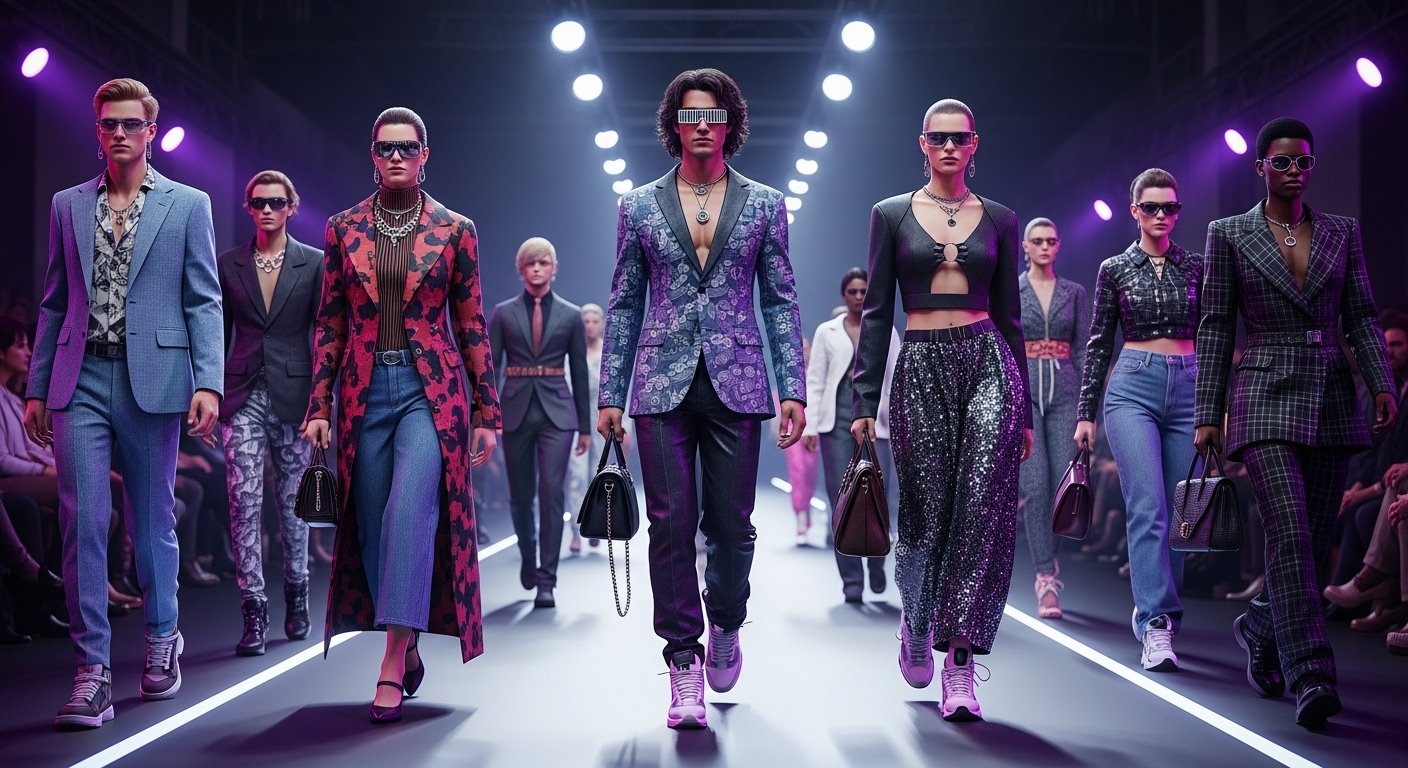
Fashion Trends: Unveiling the Hottest Styles and Their Impact
Fashion is a dynamic and ever-evolving language, reflecting societal shifts, cultural movements, and individual expressions. Understanding fashion trends is not merely about keeping up with the latest clothing; rather, it’s about grasping the pulse of our collective aesthetic and the forces that shape it. From runway extravaganzas to street style interpretations, trends dictate what we wear, how we perceive beauty, and ultimately, how we present ourselves to the world. Therefore, delving into the current and upcoming movements offers valuable insights.
Understanding the Dynamics of Fashion Trends
Fashion trends are complex phenomena, emerging from a myriad of influences and following distinct life cycles. Indeed, they rarely appear out of nowhere; instead, they are often a culmination of various creative and societal factors.
What Drives New Styles?
Several key drivers propel the emergence of new styles. Firstly, high-fashion designers and luxury brands play a pivotal role, showcasing innovative collections that often set the initial tone. Secondly, celebrities and social media influencers wield immense power, popularizing specific looks or items to a global audience almost instantly. Furthermore, cultural shifts, such as increased environmental awareness or a desire for comfort, significantly impact design directions. Economic factors, technological advancements, and even political climates also contribute to the ongoing evolution of fashion. Consequently, these diverse influences converge to define what becomes fashionable.
The Trend Cycle: From Runway to Reality
Every fashion trend typically follows a predictable life cycle, moving from its inception to widespread adoption and eventual decline. Initially, a trend is introduced, often on the runway or through niche subcultures. Subsequently, it gains traction as early adopters embrace it, leading to increased visibility. The trend then reaches its peak, becoming widely popular and accessible through mass-market retailers. However, as saturation occurs, interest begins to wane, and the trend enters a decline phase. Ultimately, it may become obsolete, only to potentially resurface years later in a reimagined form. This cyclical nature is fundamental to the industry.
Current Fashion Trends Dominating the Scene
Today’s fashion landscape is incredibly diverse, characterized by a blend of comfort, nostalgia, and a growing consciousness. These prevailing fashion trends reflect broader societal values and consumer preferences. For instance, the demand for versatile pieces is higher than ever.
Sustainable and Ethical Fashion
One of the most significant and enduring fashion trends is the shift towards sustainability and ethical production. Consumers are increasingly demanding transparency and responsibility from brands. This trend encompasses various aspects, including:
- Eco-friendly materials: Organic cotton, recycled polyester, Tencel, and innovative bio-based fabrics are gaining prominence.
- Upcycling and repurposing: Giving new life to old garments reduces waste and encourages creativity.
- Slow fashion: Prioritizing quality over quantity, encouraging mindful consumption and investing in durable pieces.
- Fair labor practices: Ensuring safe working conditions and fair wages throughout the supply chain.
Consequently, brands are adapting their strategies to meet these evolving expectations.
Comfort-Centric Apparel
The pandemic undeniably accelerated the embrace of comfort, solidifying it as a core element of modern style. Athleisure continues to thrive, blurring the lines between sportswear and everyday wear. Moreover, oversized silhouettes, relaxed fits, and luxurious loungewear have become wardrobe staples. This emphasis on ease and practicality underscores a desire for clothing that supports a more relaxed lifestyle. Indeed, functionality is now just as important as aesthetics.
Nostalgia Reimagined
Fashion is inherently cyclical, and recent years have seen a strong resurgence of past eras. Y2K fashion, with its low-rise jeans, crop tops, and vibrant colors, has made a powerful comeback. Similarly, the grunge aesthetic of the 90s and the bohemian chic of the 70s continue to influence contemporary collections. Designers often reinterpret these nostalgic elements with a modern twist, making them feel fresh and relevant for today’s consumer. Therefore, vintage inspiration remains a powerful wellspring of ideas.
Bold Colors and Playful Patterns
After periods of uncertainty, there’s a collective desire for joy and optimism, which is visibly reflected in current fashion trends. Dopamine dressing – wearing bright, mood-boosting colors – is prevalent. Vibrant hues like fuchsia, emerald green, and electric blue are popular. Furthermore, playful patterns, from intricate florals to abstract geometrics, are being mixed and matched with confidence. This trend allows for greater self-expression and a more lighthearted approach to dressing.
Gender-Neutral Styles
The fashion industry is progressively embracing fluidity, breaking down traditional gender binaries. Gender-neutral or gender-fluid styles offer versatile garments designed to be worn by anyone, regardless of gender identity. This includes oversized blazers, tailored trousers, and minimalist essentials that transcend conventional categorizations. Consequently, this movement promotes inclusivity and broadens creative possibilities within design.
How to Incorporate Fashion Trends into Your Wardrobe
Navigating the world of fashion trends can be exhilarating, yet it’s essential to integrate them thoughtfully into your personal style. It is not about blindly following every new fad, but rather about adapting what resonates with you.
Identify Your Personal Style
Before diving into new trends, understand your core personal style. What colors do you prefer? Which silhouettes flatter you most? What is your lifestyle? Building a solid foundation of classic, well-fitting pieces that reflect your taste will make incorporating trends much easier. Ultimately, your wardrobe should feel authentic to you.
Invest Wisely
When adopting a new trend, consider investing in versatile pieces that can be easily integrated with your existing wardrobe. For instance, instead of buying a full trendy outfit, opt for a key item like a statement top, a unique accessory, or a pair of on-trend shoes. Prioritize quality over quantity, especially for items you expect to wear frequently. This approach ensures longevity and avoids unnecessary clutter.
Accessorize Strategically
Accessories are powerful tools for updating an outfit and embracing current fashion trends without a complete wardrobe overhaul. A trendy handbag, a pair of chunky boots, or a bold piece of jewelry can instantly elevate a classic look. Moreover, they offer an affordable and low-commitment way to experiment with new aesthetics. Therefore, accessories are often your best friend for staying current.
Experiment and Have Fun
Fashion should be enjoyable. Don’t be afraid to experiment with different combinations, mix high-end pieces with affordable finds, and personalize trends to suit your taste. Try new silhouettes, play with colors you wouldn’t normally wear, or layer pieces in unexpected ways. Ultimately, the goal is to feel confident and comfortable in what you wear. Consequently, embrace the creative process and let your personality shine through.
Predicting Future Fashion Trends
Anticipating future fashion trends involves analyzing current societal shifts, technological advancements, and emerging cultural phenomena. While impossible to predict with absolute certainty, certain indicators offer valuable clues.
The Role of Technology
Technology is increasingly shaping the future of fashion. AI-driven design, virtual fashion shows, and digital wardrobes are no longer concepts but realities. Furthermore, advancements in material science are leading to innovative fabrics that are more sustainable, functional, and even responsive to environmental changes. We can expect to see more personalized fashion experiences driven by data and augmented reality. Consequently, the intersection of tech and style will only deepen.
Global Influences
The interconnectedness of our world means that fashion is becoming increasingly globalized. Inspiration flows freely across continents, leading to a rich tapestry of cross-cultural influences. Emerging markets and diverse cultural aesthetics will continue to play a significant role in shaping global fashion trends. Therefore, expect a continued blurring of traditional style boundaries.
Societal Shifts
Major societal shifts, such as concerns about climate change, economic fluctuations, and evolving social values, will undoubtedly influence future fashion directions. We may see a continued emphasis on durability, versatility, and conscious consumption. Furthermore, changing work environments could lead to new categories of professional yet comfortable attire. Ultimately, fashion will continue to mirror the world around us.
Emerging Designers and Niche Markets
Keep an eye on emerging designers and niche markets, as they are often the incubators of future fashion trends. These independent creatives and subcultures frequently challenge norms and introduce fresh perspectives that eventually filter into mainstream fashion. Their innovative approaches provide a glimpse into the next big thing. Consequently, diversity in design remains crucial for innovation.
Conclusion
Fashion trends are a captivating reflection of our ever-evolving world, driven by a complex interplay of cultural, social, and technological forces. Understanding these dynamics allows us to appreciate not only the aesthetic shifts but also the deeper meanings behind what we wear. By thoughtfully engaging with current styles and anticipating future movements, individuals can cultivate a wardrobe that is both relevant and deeply personal. Ultimately, fashion is a powerful form of self-expression, and staying informed about its trends empowers us to tell our unique story with confidence and flair.
If you value comfort, durability, and modern design, then Wear Nevora is a brand worth exploring.
Feel free to contact us on WhatsApp or visit our Contact Page for any questions or support.
Frequently Asked Questions (FAQ)
Q1: How often do fashion trends change?
A1: Fashion trends are constantly evolving, with major shifts typically occurring seasonally (Spring/Summer, Fall/Winter). However, micro-trends can emerge and fade within weeks due, in part, to the rapid dissemination of information via social media. Longer-term macro trends might last for several years.
Q2: Are sustainable fashion trends truly impactful?
A2: Indeed, sustainable fashion trends are becoming increasingly impactful. They encourage consumers and brands alike to prioritize ethical production, eco-friendly materials, and responsible consumption. This movement aims to reduce the industry’s environmental footprint and promote fair labor practices, leading to significant positive change.
Q3: How can I find my personal style amidst so many changing fashion trends?
A3: Discovering your personal style involves understanding your body shape, preferences, and lifestyle. Start by curating a mood board, identifying core pieces you love, and experimenting with how current fashion trends can complement your existing wardrobe. Focus on versatility and comfort, using trends as inspiration rather than strict rules.