





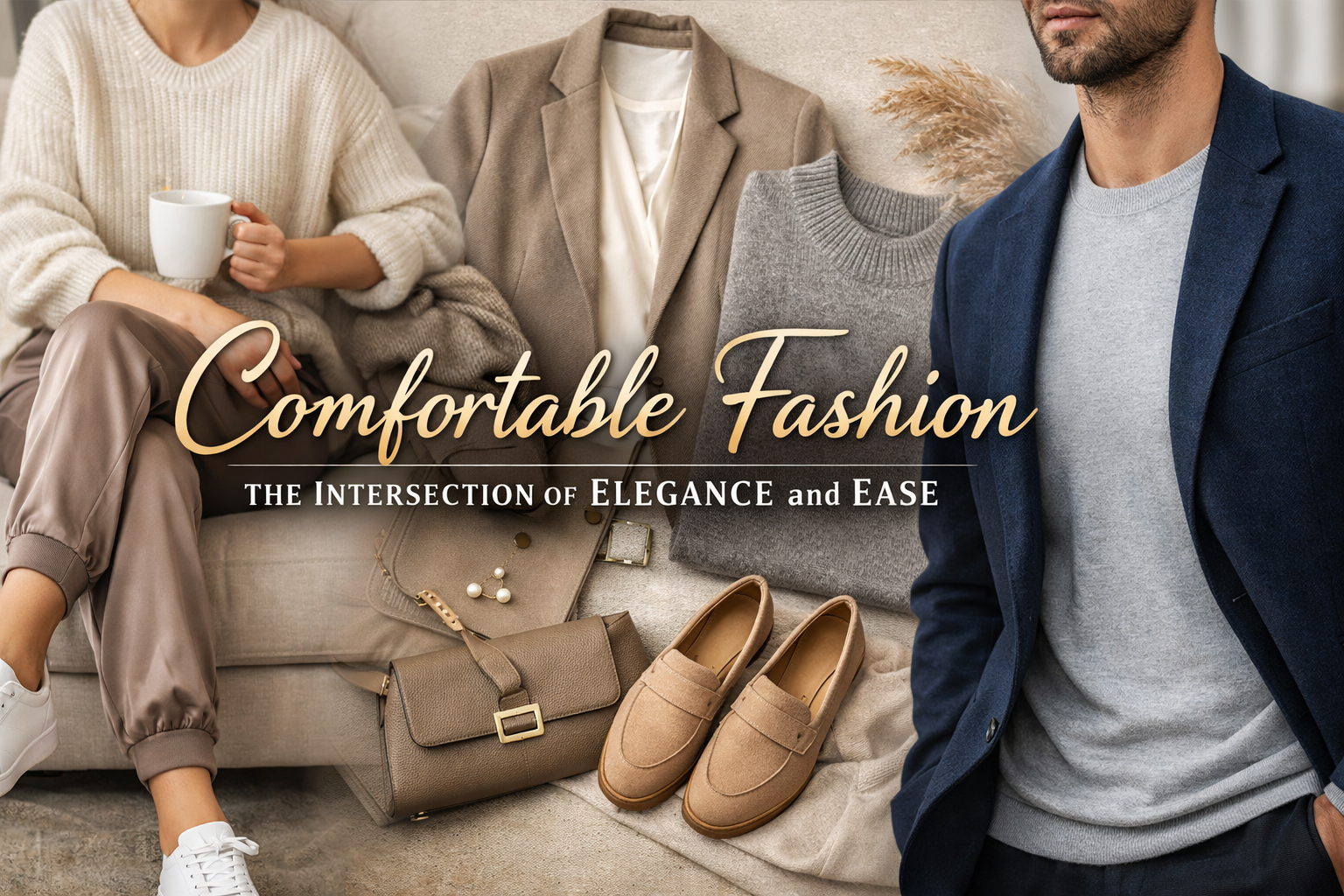
Comfortable Fashion: The Intersection of Elegance and Ease
In the contemporary world of style, the boundaries between formal attire and loungewear have blurred, giving rise to comfortable fashion. This is more than a trend; it reflects a shift in how we perceive clothing, prioritizing well-being without compromising aesthetics. For decades, fashion operated under the mantra that “beauty is pain,” but today’s consumers favor garments that move with the body rather than against it.
The Evolution of Comfortable Fashion
Fashion has historically emphasized structure: corsets, stiff collars, and heavy fabrics dominated professional and social attire. The late 20th century introduced synthetic blends and sportswear, laying the groundwork for casual wardrobes.
The early 2020s accelerated this shift. Remote work decreased demand for restrictive suits and heels, leading people to rediscover soft textures and elastic waistbands. As the world reopened, sophisticated comfortable fashion emerged, with designers incorporating ergonomic principles. Today, silk joggers, unconstructed blazers, and luxurious knitwear rival traditional tailoring in elegance.
Why Comfort is the New Luxury
Luxury today is defined less by brand names and more by experience. Comfortable fashion fits seamlessly: physical comfort boosts confidence, reduces stress, and allows full engagement with surroundings.
The Psychology of Enclothed Cognition
“Enclothed cognition” describes how clothing affects psychological processes. Restrictive clothing can distract the brain, causing irritability and decreased focus. Comfortable garments promote a state of flow, optimizing mental bandwidth. High-performing professionals now favor pima cotton shirts or merino wool sweaters over stiff button-downs.
Essential Elements of a Comfortable Wardrobe
Creating a comfortable wardrobe requires attention to materials and construction. Comfort is not about oversized clothing but garments designed for movement.
The Importance of Fabric Choices
The fiber content of a garment is crucial:
-
Organic Cotton: Soft, breathable, durable, hypoallergenic, and improves with every wash.
-
Merino Wool: Fine, soft, and thermoregulating for all seasons.
-
Linen: Ideal for warm climates; natural creases signal relaxed luxury.
-
Tencel and Modal: Silky, draping fibers perfect for polished, “workleisure” pieces.
Prioritizing Fit and Silhouette
Comfort doesn’t mean baggy clothing. Fluid silhouettes allow movement while remaining tailored. Features like articulated knees, raglan sleeves, and subtle stretch help clothing follow natural contours without restriction.
Comfortable Fashion in the Workplace
Power Casual demonstrates that professional dressing can be comfortable. Balance structure and softness. Tailored knit trousers paired with unlined blazers achieve boardroom-ready looks with flexibility. For women, nap dresses or jersey wrap dresses provide professional silhouettes without restriction. The goal: garments that look structured but feel soft.
Building a Capsule Wardrobe for Comfort
A capsule wardrobe maximizes versatility with high-quality, mix-and-match pieces. Examples:
-
Three neutral high-quality t-shirts
-
Two pairs of premium denim with elastane
-
One pair of sophisticated joggers
-
Cashmere or high-grade wool cardigan
-
Versatile trench coat or unconstructed overcoat
-
Two pairs of ergonomic footwear
Focusing on quality over quantity ensures longevity, reduces decision fatigue, and enhances well-being.
Footwear: The Foundation of Comfort
Supportive footwear is central to comfortable fashion. The “sneakerization” trend allows stylish, ergonomic shoes in most settings. Look for cushioned footbeds, flexible soles, and breathable linings. Options range from minimalist leather sneakers to loafers with arch support.
Sustainable and Ethical Comfortable Fashion
Comfortable fashion overlaps with sustainability. Brands prioritize natural fibers, durability, and timeless design, promoting slow fashion. Well-made pieces reduce waste and support ethical manufacturing.
Conclusion
Comfortable fashion is more than a trend; it’s a lifestyle reflecting health, productivity, and self-respect. Prioritizing high-quality fabrics, thoughtful silhouettes, and ergonomic design creates a wardrobe that empowers confidence and ease. Whether in business meetings or enjoying a quiet weekend, true style never compromises comfort. Feeling good in your clothing allows your authentic self to shine.
Frequently Asked Questions (FAQ)
Can comfortable fashion be professional?
Yes. Focus on elevated basics in premium materials like silk, cashmere, or fine-gauge wool. Tailored fit and neutral colors maintain a polished look.
How do I avoid looking sloppy?
Ensure clothes are clean, pressed, and free of pilling. Use the “one-loose-one-tight” rule: pair relaxed-fit trousers with a fitted top or vice versa.
What are the best fabrics for year-round comfort?
Merino wool and Tencel are excellent. Merino regulates temperature naturally; Tencel is breathable and cool-to-the-touch, ideal for layering in all seasons.
Comfortable Fashion: The Intersection of Elegance and Ease
In today’s world of style, the lines between formal attire and loungewear have blurred, giving rise to comfortable fashion. This movement goes beyond trends; it represents a redefinition of how we perceive clothing, prioritizing physical and mental well-being alongside aesthetic appeal. For decades, fashion operated under the mantra that “beauty is pain,” often glorifying restrictive garments in the name of elegance. Today, consumers are rejecting this philosophy in favor of pieces that move with the body, allowing freedom, comfort, and style to coexist seamlessly.
Comfortable fashion is not merely about leisurewear or casual outfits—it is a reflection of a modern lifestyle that values versatility, function, and self-expression. It empowers individuals to embrace clothing that suits their personal needs, whether navigating a demanding workday, social engagements, or moments of relaxation. The rise of this movement demonstrates a broader cultural shift where clothing is no longer purely decorative but intimately connected to well-being and identity.
The Evolution of Comfortable Fashion
Historically, fashion emphasized structure and visual impact over comfort. The 20th century was dominated by rigid silhouettes, including corsets, stiff collars, and heavy fabrics. These garments often dictated how individuals moved, presenting a conflict between social expectations and personal ease.
The late 20th century marked a turning point with the introduction of synthetic fabrics and the popularization of sportswear. Materials that were lighter, stretchier, and easier to maintain began appearing in everyday wardrobes. This paved the way for casualization, but it was only in the 21st century that comfort began to emerge as a central principle rather than a secondary consideration.
The early 2020s accelerated this evolution. With the shift toward remote work, the need for restrictive suits and high heels declined sharply. Individuals rediscovered soft textures, elastic waistbands, and garments that could support a more dynamic, home-oriented lifestyle. As society reopened, the preference for comfort did not vanish. Instead, it evolved into sophisticated comfortable fashion, where designers began blending ergonomic principles with luxury materials. Today, we see silk joggers that look as refined as tailored trousers, unstructured blazers with fluid drape, and knitwear that rivals the elegance of traditional tailoring.
Why Comfort is the New Luxury
Luxury today is no longer defined solely by brand prestige or a high price tag. Instead, it has shifted toward the quality of experience. Comfortable fashion fits seamlessly into this redefined luxury. When clothing feels good against the skin, it enhances confidence, reduces stress, and allows individuals to engage more fully with the world around them. This has led to a cultural shift where comfort is not only desirable but also synonymous with sophistication and high living.
The Psychology of Enclothed Cognition
A critical concept underlying comfortable fashion is enclothed cognition—the psychological influence of clothing on how we think and behave. Wearing restrictive or irritating garments causes the brain to constantly process discomfort, leading to irritability, distraction, and diminished performance. Conversely, comfortable clothing fosters a state of flow, where mental energy can focus on tasks without unnecessary distractions.
This explains why high-performing professionals increasingly favor pima cotton shirts, merino wool sweaters, or fluid trousers over traditional, stiff attire. In essence, choosing comfort is a strategy for optimizing productivity, well-being, and even mood.
Essential Elements of a Comfortable Wardrobe
A wardrobe focused on comfort is not about buying larger sizes or compromising on style. It requires deliberate choices in materials, design, and fit. Comfort in fashion arises from garments engineered to move with the body rather than against it.
The Importance of Fabric Choices
The right fabric is the foundation of any comfortable garment. Natural fibers generally outperform synthetics in breathability, durability, and tactile appeal. Key fabrics include:
-
Organic Cotton: Soft, breathable, and hypoallergenic. Organic cotton grows softer with each wash and is suitable for year-round wear.
-
Merino Wool: Fine, soft, and thermoregulating, merino wool adapts to body temperature, keeping you warm in winter and cool in summer.
-
Linen: Ideal for warmer climates due to its natural airflow. While it wrinkles easily, modern fashion embraces these creases as an element of relaxed elegance.
-
Tencel and Modal: Semi-synthetic fibers derived from wood pulp, known for a silky touch, drape, and effortless sophistication. These are staples in polished “workleisure” collections.
Prioritizing Fit and Silhouette
Fit is often misunderstood in comfortable fashion. Many assume comfort equals loose or baggy clothing, but poorly fitted garments can hinder movement and appear sloppy. Instead, look for fluid silhouettes that provide freedom without sacrificing proportion. Design elements like articulated knees, raglan sleeves, and slight stretch in woven fabrics ensure garments follow natural body contours while remaining flexible.
Comfortable Fashion in the Workplace
The concept of Power Casual illustrates how professional dressing can embrace comfort. The key is balancing structure and softness. Tailored knit trousers paired with unlined blazers achieve a polished appearance without restricting movement. For women, jersey wrap dresses or “nap dresses” offer feminine silhouettes with zero constraint.
This approach demonstrates that it is possible to maintain authority and professionalism while prioritizing well-being. Clothing that feels good fosters confidence, allowing individuals to project competence naturally without relying on rigid or uncomfortable outfits.
Building a Capsule Wardrobe for Comfort
A capsule wardrobe is ideal for those seeking a comfort-oriented approach. It consists of a limited set of versatile, high-quality pieces that mix and match effortlessly. Examples include:
-
Three high-quality t-shirts in neutral shades
-
Two pairs of premium denim with a touch of elastane
-
One pair of sophisticated joggers or trousers
-
A cashmere or fine wool cardigan
-
A versatile trench coat or unstructured overcoat
-
Two pairs of ergonomic footwear
This strategy focuses on quality over quantity, ensuring longevity and reducing decision fatigue while promoting a sense of order and ease in daily dressing.
Footwear: The Foundation of Comfort
Footwear is critical to comfortable fashion. The feet support the body’s alignment, affecting posture and movement. The rise of “sneakerization” has made it socially acceptable to wear supportive footwear across almost every setting. Options range from minimalist leather sneakers to loafers with built-in arch support. When choosing shoes, prioritize cushioned footbeds, flexible soles, and breathable linings for all-day comfort.
Sustainable and Ethical Comfortable Fashion
Comfortable fashion often intersects with sustainability. Brands emphasizing comfort typically use natural fibers, which are more eco-friendly than petroleum-based synthetics. Timeless, high-quality garments also promote slow fashion, encouraging long-term use and reducing waste. By selecting well-made pieces, consumers support ethical manufacturing practices while maintaining a stylish, functional wardrobe.
Tips for Elevating Comfort Without Sacrificing Style
-
Mix Textures and Layers: Layering soft fabrics like merino, cotton, or Tencel with structured pieces adds visual interest while remaining comfortable.
-
Neutral Palettes: Neutrals such as beige, gray, and navy convey sophistication while allowing for versatile combinations.
-
Smart Accessories: Minimalist belts, scarves, or structured bags can add polish without compromising ease.
-
Attention to Detail: Small design choices—like a soft waistband, hidden stretch panels, or ergonomic buttons—enhance comfort significantly.
Conclusion
Comfortable fashion is not a passing trend; it is a lifestyle reflecting a modern understanding of health, productivity, and self-respect. Prioritizing high-quality fabrics, thoughtful silhouettes, and ergonomic design allows a wardrobe to empower confidence and ease. Whether in business meetings, social events, or quiet weekends, true style and comfort can coexist. Feeling good in your clothing allows your authentic self to shine.
If you value comfort, durability, and modern design, then Wear Nevora is a brand worth exploring.
Feel free to contact us on WhatsApp or visit our Contact Page for any questions or support.
Frequently Asked Questions (FAQ)
Can comfortable fashion be professional?
Absolutely. Focus on elevated basics crafted from premium materials like silk, cashmere, or fine-gauge wool. Tailored fits and neutral palettes maintain a polished, professional appearance.
How do I avoid looking sloppy when dressing for comfort?
Ensure clothing is clean, well-maintained, and free of pilling. Balance relaxed pieces with fitted garments using the “one-loose-one-tight” principle.
What fabrics work year-round?
Merino wool and Tencel excel for all seasons. Merino naturally regulates temperature, while Tencel is breathable and cool-to-the-touch, ideal for layering throughout the year.
Can comfortable fashion adapt to formal occasions?
Yes. Modern designers offer tailored joggers, silk blouses, and fluid dresses that provide elegance and comfort simultaneously.
Is comfortable fashion sustainable?
Often, yes. Brands emphasizing comfort usually invest in durable, natural fabrics and timeless designs, encouraging slow fashion and reducing waste.