

+92 312 9485003 Wearnevora@gmail.com
Winter sale discount off 50%! Shop Now

Mini Cart

Quality Fashion: Investing in Lasting Style

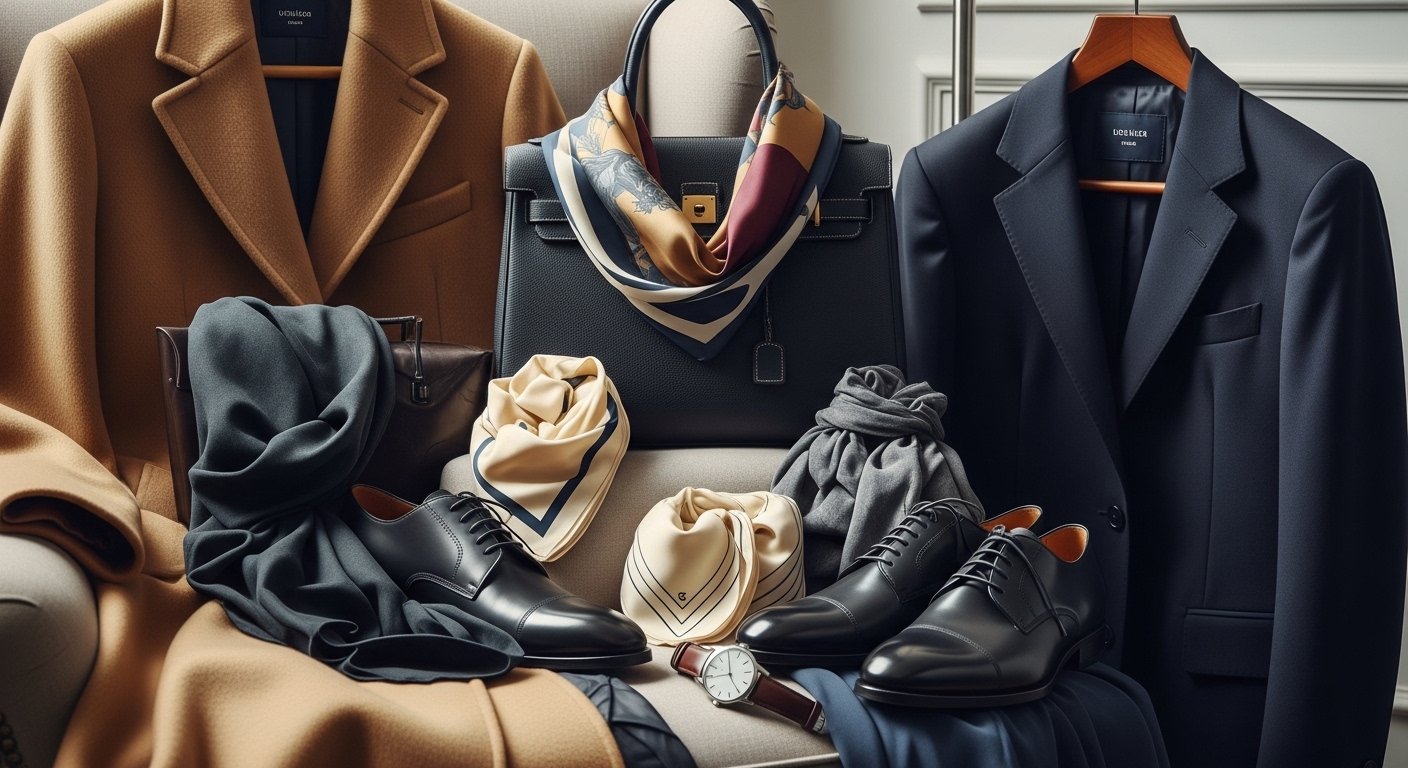
Investing in quality fashion* is more than just a purchase; Quality fashion it’s a commitment to enduring style and conscious consumption. Indeed, in an era dominated by fast fashion and fleeting trends, the pursuit of garments built to last has become increasingly vital. Therefore, understanding what constitutes high-quality attire is paramount for any discerning consumer. This article explores the multifaceted benefits of choosing *quality fashion and guides you on how to identify and build a wardrobe that stands the test of time.

The Enduring Appeal of Quality Fashion

Opting for quality fashion transcends mere aesthetics; it embodies a philosophy of longevity and value. High-quality garments offer a distinct set of advantages that cheaper alternatives simply cannot match. Consequently, they often become cherished pieces within a wardrobe, providing years of reliable service.

Beyond Trends: Timelessness

Fast fashion cycles dictate rapid changes in style, making garments quickly outdated. However, quality pieces often feature classic designs and superior craftsmanship that defy transient fads. They possess an inherent timelessness, allowing them to be worn season after season without losing their relevance. Furthermore, a well-made classic item can be styled in numerous ways, seamlessly integrating into various outfits and occasions. This versatility is a hallmark of true quality fashion.

Craftsmanship and Durability

One of the most significant benefits of quality fashion is its superior construction. Manufacturers of high-end clothing pay meticulous attention to detail, using robust stitching, reinforced seams, and durable fabrics. Consequently, these garments withstand the rigors of frequent wear and washing much better than their mass-produced counterparts. This durability translates into fewer replacements, offering both economic and environmental advantages. Moreover, the craftsmanship often includes hand-finishing or specialized techniques that enhance both the garment’s strength and its aesthetic appeal.

The Comfort Factor

High-quality fabrics and thoughtful construction contribute significantly to comfort. Natural fibers like merino wool, cashmere, linen, and high-thread-count cotton are breathable, soft against the skin, and adapt well to different climates. Synthetic materials, when chosen for quality, can also offer specific performance benefits without compromising comfort. Poorly made clothing, conversely, often uses stiff, irritating fabrics and ill-fitting designs that detract from the wearing experience. Therefore, investing in quality fashion often means investing in greater personal comfort throughout the day.

Identifying Quality Garments: What to Look For

Knowing how to spot quality can be challenging amidst a sea of options. Nevertheless, by understanding key indicators, consumers can make more informed decisions. Here are essential aspects to scrutinize when evaluating potential purchases for quality fashion.

Fabric Composition and Weave

  • Natural Fibers: Look for 100% natural fibers like cotton, linen, wool, silk, and cashmere. Blends can be good, but ensure the primary fiber is natural and high-quality. For instance, a cotton-spandex blend for stretch is acceptable, but a mostly synthetic blend imitating wool might not offer the same benefits.
  • Fabric Weight and Hand: Feel the fabric. Does it have a substantial weight? Does it feel soft, smooth, or appropriately textured? Thin, flimsy fabrics are often indicators of lower quality. Furthermore, examine the weave; it should be tight and even, without snags or inconsistencies.

Pattern Matching:** For patterned fabrics, observe if patterns align at seams, especially on plaids and stripes. This detail indicates careful cutting and assembly, a sign of *quality fashion.

Stitching and Seams

  • Even and Tight Stitches: Inspect the stitching closely. It should be consistent, even, and small. Long, loose, or irregular stitches are prone to unraveling. Therefore, a high stitch count per inch often indicates greater durability.
  • Reinforced Stress Points: Check areas that experience stress, such as armholes, crotches, and pocket openings. These should have double stitching, bar tacks, or other reinforcements. This attention to detail significantly extends the garment’s life.

Finished Seams:** Turn the garment inside out. Seams should be neatly finished, either serged, French seamed, or bound. Raw, unfinished seams fray easily and are a clear sign of poor craftsmanship. Ultimately, well-finished seams are crucial for the longevity of *quality fashion.

Hardware and Details

  • Buttons: Quality buttons are often made from natural materials like mother-of-pearl, horn, or corozo, or sturdy plastic. They should be securely sewn with shanks for easier buttoning. Moreover, spares are often included with high-quality garments.
  • Zippers: Look for smooth-operating metal zippers (e.g., YKK, Lampo) rather than flimsy plastic ones. They should glide easily without snagging.
  • Lining: If present, the lining should be made of a breathable, durable fabric (like Bemberg rayon, silk, or high-quality acetate) and sewn in neatly, allowing for ease of movement. A poorly constructed or cheap lining can quickly diminish the appeal of an otherwise good garment.

Construction Techniques

Cut and Fit:** A garment’s cut should be precise and follow the body’s natural lines without pulling or bunching. Try it on to assess the fit. A good fit is a cornerstone of *quality fashion.

  • Hemming: Hems should be even, generous, and securely stitched, often blind-stitched for a clean finish. Skimpy or poorly sewn hems are quick to unravel.
  • Buttonholes: These should be neatly stitched, without loose threads, and appropriately sized for the buttons. Hand-stitched buttonholes are a mark of exceptional quality.

The Economic and Environmental Benefits of Quality Fashion

Beyond personal satisfaction, choosing quality fashion has broader positive implications. It benefits both your wallet in the long run and contributes to a more sustainable planet. Consequently, the initial higher price point is often justified by these significant advantages.

Cost-Per-Wear Philosophy

While quality fashion typically comes with a higher upfront cost, its durability means it lasts significantly longer. Consider the ‘cost-per-wear’ (CPW): total cost divided by the number of times worn. A $20 t-shirt worn 5 times before falling apart has a CPW of $4. A $100 t-shirt worn 100 times has a CPW of $1.00. Therefore, the seemingly more expensive item often proves to be the more economical choice over time. This principle is fundamental to smart, long-term fashion investment.

Reducing Waste: A Sustainable Choice

The fashion industry is a major contributor to global waste. Fast fashion’s rapid production and disposal cycles lead to overflowing landfills. Conversely, by investing in quality fashion that lasts, consumers reduce their overall consumption and the amount of clothing sent to waste. This practice aligns with sustainable living principles, minimizing environmental impact. Furthermore, many quality brands are increasingly focusing on ethical sourcing and eco-friendly production methods, which further enhances their sustainable credentials.

Supporting Ethical Production

Many brands committed to quality fashion also prioritize ethical labor practices and fair wages for their workers. The higher price point often reflects the true cost of production, including fair compensation and safe working conditions, rather than exploiting cheap labor. By choosing these brands, consumers indirectly support a more equitable and humane industry. Ultimately, this conscious choice contributes to a better global community.

Conclusion

Embracing quality fashion is a transformative approach to personal style and consumption. It encourages a shift from fleeting trends to timeless elegance, prioritizing durability, comfort, and ethical production. By learning to identify the hallmarks of quality, from fabric composition to stitching, you empower yourself to make informed purchasing decisions. Ultimately, investing in well-made garments not only enhances your wardrobe’s longevity and versatility but also contributes positively to both your financial well-being and environmental sustainability. Choose wisely, wear often, and enjoy the enduring appeal of true quality.

If you value comfort, durability, and modern design, then Wear Nevora is a brand worth exploring.

Feel free to contact us on WhatsApp or visit our Contact Page for any questions or support.

FAQs for “Quality Fashion: Investing in Lasting Style”

1. What does “quality fashion” really mean?

Quality fashion refers to clothing made with durable fabrics, strong stitching, thoughtful design, and ethical production. These pieces are designed to last longer, look better over time, and stay stylish beyond short-lived trends.

2. Is investing in quality fashion worth the cost?

Yes. While quality clothing may have a higher upfront price, it lasts longer and requires fewer replacements. Over time, this saves money and reduces waste, making it a smart long-term investment.

3. How can I identify high-quality clothing?

Look for natural or premium fabrics, reinforced seams, clean stitching, well-finished hems, and reliable zippers or buttons. Checking brand reputation and care labels also helps assess quality.

4. Does quality fashion go out of style?

Quality fashion often focuses on timeless designs rather than fast trends. Classic cuts, neutral colors, and versatile styles remain fashionable for years, making them easy to rewear and restyle.

5. How does quality fashion support sustainability?

By lasting longer and reducing the need for frequent purchases, quality fashion lowers textile waste and environmental impact. Many quality brands also use ethical labor practices and sustainable materials.
Sweatshirts: The Ultimate Guide to Comfort & Style

Sweatshirts have transcended their humble athletic origins to become a cornerstone of modern casual wear. Indeed, these versatile garments offer an unparalleled blend of comfort, practicality, and effortless style. From the gym to the runway, sweatshirts have proven their adaptability, making them a beloved item in wardrobes worldwide. This comprehensive guide explores everything you need to know about sweatshirts, helping you maximize their potential.

The Enduring Appeal of Sweatshirts

Initially designed for athletes, sweatshirts quickly gained traction due to their functional benefits. However, their soft fabric and relaxed fit soon made them popular beyond sports fields. Consequently, they evolved into a symbol of casual comfort and an essential part of everyday attire.

A Brief History of the Sweatshirt

The origin of the sweatshirt dates back to the 1920s when Benjamin Russell Jr., a football player, sought a more comfortable and less irritating alternative to wool jerseys. His father, a clothing manufacturer, developed a loose, collarless cotton pullover. This innovative design absorbed sweat effectively and allowed for greater movement. Therefore, the first true sweatshirt was born, revolutionizing athletic wear. Over time, its comfort and utility led to its adoption by the wider public, firmly establishing its place in fashion history.

Why Sweatshirts Remain a Wardrobe Staple

Sweatshirts offer numerous advantages that contribute to their enduring popularity. Firstly, their primary appeal lies in their exceptional comfort. Made predominantly from cotton or cotton blends, they provide a soft feel against the skin. Moreover, their relaxed fit allows for unrestricted movement. Secondly, they are incredibly versatile. You can dress them up or down, making them suitable for a myriad of occasions. Furthermore, sweatshirts offer practical warmth, making them perfect for cooler weather or as a layering piece. Ultimately, their ability to combine functionality with effortless style ensures their continuous relevance in fashion.

Types of Sweatshirts: Finding Your Perfect Match

The world of sweatshirts is diverse, offering various styles to suit different preferences and needs. Understanding these types can help you choose the best sweatshirts for your personal style.

Classic Crewneck Sweatshirts

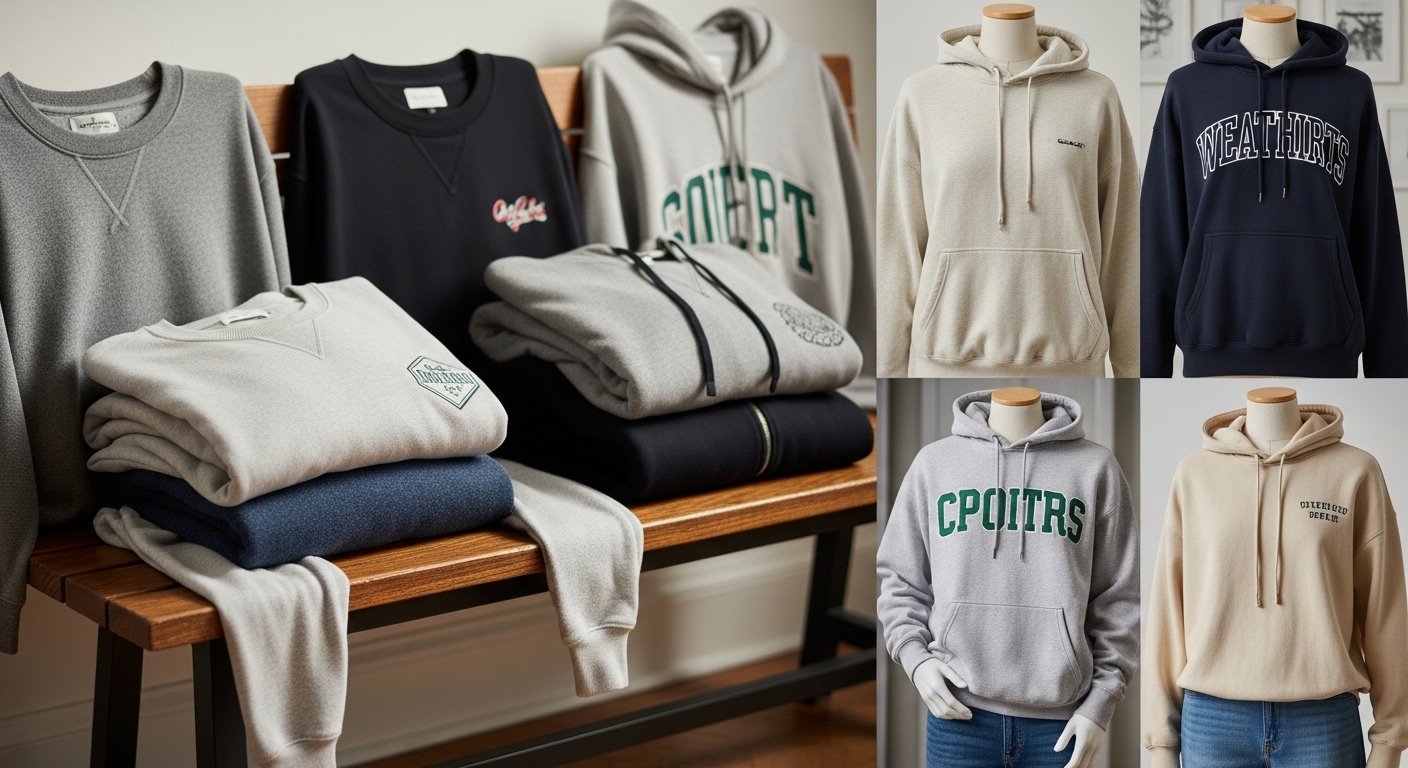
The crewneck sweatshirt is arguably the most iconic style. Characterized by its round, collarless neckline, it offers a clean and timeless aesthetic. Typically, these sweatshirts feature ribbed cuffs and hems, providing a snug fit. They are incredibly versatile, serving as a blank canvas for various outfits. For instance, a plain grey crewneck can be a foundational piece for countless casual looks. Many prefer crewnecks for their minimalist appeal and ease of layering.

Versatile Hoodies

Hoodies, a variation of the sweatshirt, include a hood and often a front pocket (kangaroo pocket). The addition of a hood provides extra warmth and protection from the elements. Hoodies are particularly popular for their casual, street-style vibe. They come in both pullover and zip-up styles, offering different levels of convenience. Consequently, hoodies are a go-to choice for relaxed outings, gym sessions, or simply lounging at home. Their inherent practicality makes them a favorite among many.

Zip-Up Sweatshirts

Zip-up sweatshirts, sometimes called track jackets or full-zip hoodies, feature a full-length zipper down the front. This design offers excellent versatility, as they can be worn open, partially zipped, or fully zipped. This makes them ideal for layering, allowing for easy temperature regulation. For example, you can throw a zip-up over a t-shirt for a quick, comfortable outfit. Therefore, they are an excellent option for transitional weather or active lifestyles.

Athletic and Performance Sweatshirts

Designed with specific activities in mind, athletic and performance sweatshirts often incorporate technical fabrics that wick moisture, offer breathability, and provide stretch. These garments are engineered to enhance comfort and performance during workouts. They might feature ergonomic designs, thumbholes, or specialized ventilation panels. While their primary function is sportswear, many athletic sweatshirts also boast sleek designs suitable for athleisure wear.

How to Style Sweatshirts for Every Occasion

One of the greatest strengths of sweatshirts is their adaptability in styling. Indeed, with a few thoughtful pairings, you can transform a simple sweatshirt into a fashion statement for various settings.

Casual Everyday Looks

For a classic casual look, pair your sweatshirt with jeans or chinos. This combination is effortlessly cool and comfortable. For instance, a grey crewneck with dark-wash jeans and white sneakers creates a timeless ensemble. Alternatively, a hoodie with joggers and trainers offers a relaxed, sporty vibe perfect for running errands or casual meet-ups. Furthermore, consider adding a baseball cap or a beanie for an extra touch of laid-back style. These simple pairings highlight the inherent ease of wearing sweatshirts.

Elevated Smart-Casual Ensembles

Surprisingly, sweatshirts can be integrated into smart-casual outfits with the right approach. Layer a crisp, collared shirt underneath a crewneck sweatshirt, allowing the collar and cuffs to peek out. Pair this with tailored trousers or dark-wash denim and loafers or smart sneakers. Moreover, opting for sweatshirts in premium fabrics like cashmere blends or those with subtle detailing can significantly elevate the look. A monochromatic outfit, where your sweatshirt matches your bottoms, also creates a sophisticated, cohesive appearance. This approach demonstrates the versatility of sweatshirts beyond purely casual contexts.

Layering Techniques with Sweatshirts

Layering is key to maximizing the utility and style of sweatshirts. During colder months, wear a long-sleeve t-shirt or thermal underneath for added warmth. Over your sweatshirt, you can layer a denim jacket, a bomber jacket, a parka, or even a tailored blazer. For example, a hoodie under a denim jacket offers a cool, urban aesthetic. Conversely, a crewneck under a blazer creates an unexpected yet stylish contrast. These layering techniques not only provide warmth but also add depth and interest to your outfit.

Choosing the Right Sweatshirt: Factors to Consider

Selecting the perfect sweatshirt involves more than just picking a color. Several factors contribute to comfort, durability, and style. Therefore, consider these aspects before making a purchase.

Fabric and Material Matters

The most common material for sweatshirts is cotton, often blended with polyester. Cotton provides softness and breathability, while polyester adds durability, wrinkle resistance, and helps maintain shape. French terry, a type of knit fabric with loops on one side, is another popular choice, known for its moisture-wicking properties and comfortable feel. For colder weather, fleece-lined sweatshirts offer superior warmth. Furthermore, organic cotton or recycled blends are excellent choices for environmentally conscious consumers. The fabric choice significantly impacts the sweatshirt’s feel and performance.

Fit and Sizing Essentials

The fit of your sweatshirt plays a crucial role in both comfort and style. A classic fit is neither too tight nor too loose, offering a balanced silhouette. An oversized fit provides a more relaxed, contemporary look, often favored for casual and streetwear styles. Conversely, a slim fit offers a more tailored appearance, suitable for elevated casual outfits. Always check the brand’s sizing chart, as sizes can vary. Consider how you intend to wear the sweatshirt—will it be layered, or worn on its own? This will influence your ideal fit.

Color and Design Trends

While classic colors like grey, black, navy, and white remain timeless, don’t shy away from exploring other options. Earth tones, pastels, and vibrant hues can add personality to your wardrobe. Graphic sweatshirts, featuring logos, prints, or embroidery, offer a way to express individuality. Furthermore, consider details such as unique stitching, ribbed patterns, or contrasting drawstrings. Staying aware of current trends can help you make stylish choices, but ultimately, choose colors and designs that resonate with your personal aesthetic and complement your existing wardrobe. The right design can transform a basic item into a statement piece.

Caring for Your Sweatshirts: Longevity Tips

Proper care is essential to ensure your sweatshirts remain soft, maintain their shape, and last for years. Following simple washing and drying guidelines can make a significant difference in their lifespan.

Firstly, always check the care label inside your sweatshirt. Most cotton or cotton-blend sweatshirts can be machine washed in cold water with similar colors. Using cold water helps prevent shrinking and fading. Secondly, turn your sweatshirt inside out before washing to protect any prints or embroidery. Avoid using harsh detergents or bleach, which can damage the fabric fibers and colors. Instead, opt for a mild detergent. Thirdly, when drying, air-drying is often the best option to prevent shrinkage and preserve the fabric’s integrity. Hang your sweatshirt on a padded hanger or lay it flat. If using a dryer, select a low heat setting and remove the sweatshirt while it’s still slightly damp to avoid over-drying. Finally, store your sweatshirts folded rather than hung to prevent stretching, especially for heavier items. By adhering to these simple care instructions, you can significantly extend the life of your favorite sweatshirts.

Frequently Asked Questions (FAQ)

1. What makes sweatshirts so comfortable?
Sweatshirts are usually made from soft fabrics like cotton, fleece, or cotton blends that provide warmth, breathability, and a cozy feel, making them perfect for everyday wear.

2. Can sweatshirts be worn for both casual and stylish looks?
Yes! Sweatshirts are versatile. You can pair them with jeans, joggers, or layer them over shirts for a casual look, or style them with tailored pants and sneakers for a modern, trendy outfit.

3. How do I choose the right sweatshirt for my needs?
Consider the fabric, fit, and purpose. Lightweight sweatshirts are great for mild weather, while fleece-lined options work best for colder days. Choose slim-fit for a polished look or oversized for relaxed comfort.

Conclusion

Sweatshirts are a timeless wardrobe essential that perfectly balance comfort and style. Whether you’re relaxing at home, heading out for a casual day, or creating a streetwear-inspired outfit, the right sweatshirt can elevate your look effortlessly. With endless designs, fits, and fabrics available, sweatshirts remain a go-to choice for all seasons and lifestyles.

If you value comfort, durability, and modern design, then Wear Nevora is a brand worth exploring.

Feel free to contact us on WhatsApp or visit our Contact Page for any questions or support.

Sign Up Newsletter

Sign up our newsletter and save 25% off for the next purchase!

Subscribe to our newsletters and don’t miss new arrivals, the latest fashion updates and our promotions.