
+92 312 9485003 Wearnevora@gmail.com
Winter sale discount off 50%! Shop Now

Mini Cart

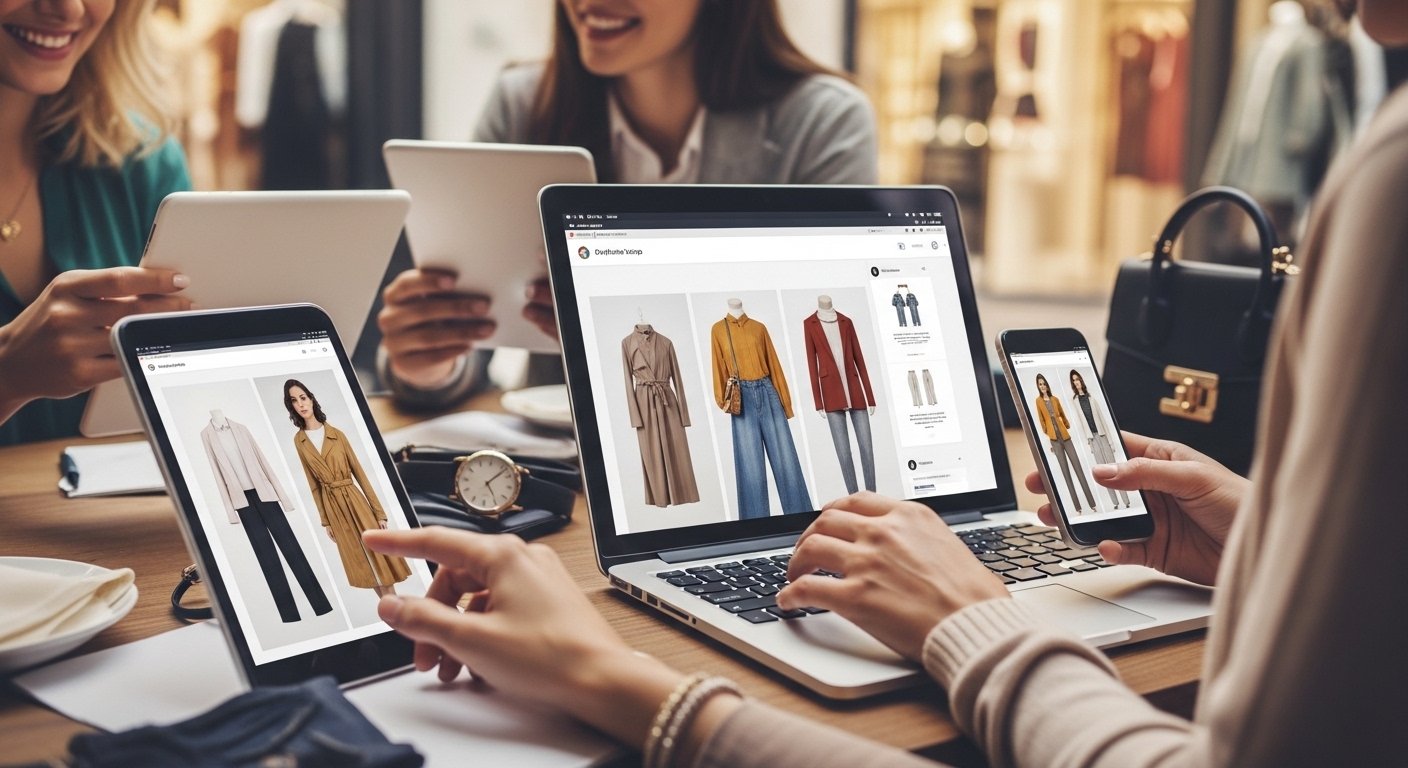
Online Fashion Shop: Your Ultimate Guide to Style

The landscape of retail has undergone a profound transformation, with the online fashion shop emerging as a dominant force. This digital revolution has reshaped how consumers discover, purchase, and interact with clothing and accessories. Indeed, the convenience and vast selection offered by these platforms have made them indispensable for many. This comprehensive guide will explore the myriad facets of the modern online fashion shop, providing insights into its evolution, benefits, and essential tips for a seamless shopping experience. Ultimately, we aim to empower you to navigate this vibrant digital marketplace with confidence.

The Evolution of the Online Fashion Shop Landscape

The journey of the online fashion shop from nascent e-commerce ventures to global powerhouses is remarkable. Initially, online retail was often viewed with skepticism, especially concerning tactile products like clothing. However, technological advancements and changing consumer behaviors have propelled its growth exponentially.

From Niche Boutiques to Global Marketplaces

Early online fashion shops often started as extensions of physical boutiques or small, independent labels. These platforms catered to specific niches, offering unique items not readily available in mainstream stores. Consequently, they built loyal customer bases. Over time, major retailers recognized the immense potential. Therefore, they began investing heavily in their digital presence. Today, the landscape is dominated by a mix of specialized e-boutiques, multi-brand marketplaces, and direct-to-consumer (DTC) brands. Each offers a distinct shopping experience.

Key Drivers of Growth

Several factors have fueled the rise of the online fashion shop. Firstly, enhanced internet accessibility and faster connection speeds made browsing and purchasing effortless. Secondly, the proliferation of smartphones transformed shopping into an on-the-go activity. Furthermore, secure online payment gateways instilled greater consumer confidence. In addition, sophisticated logistics and efficient global shipping networks ensured timely delivery, bridging geographical gaps. Social media, moreover, plays a crucial role, creating trends and connecting brands directly with consumers.

Why Choose an Online Fashion Shop? Unpacking the Benefits

The allure of an online fashion shop extends far beyond mere convenience. It offers a wealth of advantages that traditional brick-and-mortar stores simply cannot match. Consequently, more shoppers are making the switch.

Unparalleled Convenience and Accessibility

Shopping from an online fashion shop means you can browse and buy 24/7, from anywhere with an internet connection. There are no opening hours to contend with, nor are there crowded aisles or long checkout queues. This unparalleled accessibility allows busy individuals to shop at their leisure, perhaps during a commute or late at night. Moreover, it significantly reduces the time and effort typically associated with physical shopping trips.

Vast Selection and Diverse Styles

Physical stores are limited by shelf space; however, an online fashion shop faces no such constraints. This translates into an immense inventory, offering a far wider array of styles, sizes, and brands. Whether you are searching for a specific designer piece, a sustainable eco-friendly garment, or an outfit for a niche occasion, the chances of finding it online are considerably higher. Thus, you can explore diverse fashion cultures and global trends with ease.

Competitive Pricing and Exclusive Deals

Operating an online fashion shop often involves lower overheads compared to maintaining physical stores. Consequently, many online retailers can offer more competitive pricing. Furthermore, the digital realm is a hotbed for exclusive online-only promotions, flash sales, and discount codes. Savvy shoppers can significantly save money by taking advantage of these frequent deals. Price comparison websites, in addition, make it simple to find the best offers across multiple stores.

Trend Exploration and Style Inspiration

Online platforms are dynamic hubs for fashion inspiration. Blogs, social media feeds, and curated collections within an online fashion shop itself constantly showcase the latest trends. Many sites also feature “shop the look” sections or style guides, helping customers visualize outfits and discover new aesthetics. Therefore, it’s not just about buying clothes; it’s about evolving your personal style.

Navigating the Online Fashion Shop: Tips for a Seamless Experience

While the benefits are clear, a successful experience with an online fashion shop requires a strategic approach. Here are essential tips to ensure satisfaction and minimize potential frustrations.

Understanding Sizing and Fit Guides

One of the biggest concerns for online clothing shoppers is sizing. Brands often have different sizing standards. Consequently, a “medium” from one retailer might differ significantly from another. Always consult the specific size chart provided by the online fashion shop for each item. Moreover, measure yourself accurately (bust, waist, hips, inseam) and compare these measurements to the guide. Some sites even offer virtual try-on tools or customer reviews that mention fit.

Reading Reviews and Product Descriptions

Before making a purchase, thoroughly read product descriptions. Pay attention to fabric composition, care instructions, and specific details about the garment’s cut and features. Furthermore, customer reviews are invaluable. They often provide honest feedback on fit, quality, color accuracy, and overall satisfaction. Look for reviews with photos, as they offer a more realistic view of the item.

Mastering Returns and Exchanges

Despite careful planning, sometimes an item just doesn’t work out. Therefore, understanding the return and exchange policy of an online fashion shop before you buy is crucial. Check the return window, whether shipping costs are covered, and if items can be returned in-store. A clear and customer-friendly return policy is a strong indicator of a reliable retailer. Keep all packaging and tags until you are certain of your purchase.

Prioritizing Secure Payment Options

Security is paramount when shopping online. Always ensure the website uses secure encryption (look for “https://” in the URL and a padlock icon). Use trusted payment methods like credit cards or reputable digital wallets, as they often offer buyer protection. Avoid making purchases on public Wi-Fi networks, as they can be less secure. Ultimately, protecting your financial information should be a top priority.

Key Trends Shaping the Online Fashion Shop Industry

The world of the online fashion shop is constantly evolving, driven by technological innovation and shifting consumer values. Several key trends are currently reshaping how we shop for clothes online.

Sustainability and Ethical Fashion

Consumers are increasingly conscious of the environmental and social impact of their purchases. Consequently, many online fashion shop platforms are prioritizing sustainability. This includes offering collections made from recycled or organic materials, promoting ethical production practices, and transparently sharing their supply chain information. Brands that embrace eco-friendly initiatives are gaining significant traction.

Personalization and AI Recommendations

Artificial intelligence (AI) is revolutionizing the online shopping experience. AI-powered algorithms analyze browsing history, past purchases, and expressed preferences to offer highly personalized product recommendations. This means that when you visit an online fashion shop, you are more likely to see items tailored to your unique style. Furthermore, this enhances discovery and reduces decision fatigue.

Social Commerce and Influencer Marketing

Moreover, influencer marketing continues to thrive, with fashion influencers showcasing products and driving traffic to specific online fashion shops. This blurs the lines between entertainment, inspiration, and shopping.

Augmented Reality (AR) Try-Ons

Imagine trying on clothes virtually without leaving your home. Augmented Reality (AR) technology is making this a reality. Some advanced online fashion shop platforms now offer AR features, allowing customers to see how garments would look on their own body using their smartphone camera. This innovative approach helps overcome the “fit” challenge of online shopping, reducing returns and enhancing confidence.

Choosing the Best Online Fashion Shop for You

With countless options available, selecting the right online fashion shop can seem daunting. Consider these factors to find platforms that best align with your needs and preferences.

Considering Your Style and Budget

Firstly, identify your personal style and establish a realistic budget. Are you looking for high-end designer wear, affordable everyday basics, or unique vintage finds? Different online fashion shops cater to different price points and aesthetics. Consequently, narrowing down your preferences will help you focus your search.

Evaluating Customer Service and Policies

A reputable online fashion shop prioritizes excellent customer service. Look for clear contact information, responsive support channels (chat, email, phone), and fair policies regarding returns, exchanges, and refunds. Reading reviews about customer service experiences can provide valuable insights. Ultimately, a good relationship with the retailer is key for long-term satisfaction.

Exploring Niche vs. General Retailers

Decide whether a niche online fashion shop specializing in a particular style (e.g., sustainable activewear, gothic fashion) or a general multi-brand retailer (e.g., ASOS, Zalando) is more suitable. Niche shops often offer a highly curated selection and expert advice, while general retailers provide a broader range of options across various categories. Both have their merits, depending on your shopping goals.

Conclusion

The online fashion shop has undeniably revolutionized the retail experience, offering unparalleled convenience, vast selection, and access to global trends. From its humble beginnings to its current status as a dynamic, technologically advanced marketplace, it continues to evolve. By understanding its benefits, employing smart shopping strategies, and staying abreast of emerging trends, consumers can truly harness the power of online fashion. Ultimately, the digital storefront provides a flexible and exciting way to curate your personal style in an ever-changing world.

If you value comfort, durability, and modern design, then Wear Nevora is a brand worth exploring.

Feel free to contact us on WhatsApp or visit our Contact Page for any questions or support.

Frequently Asked Questions (FAQ)

Q1: How can I ensure the right fit when shopping from an online fashion shop?

A1: Always consult the specific size chart provided by the online fashion shop for each item. Take your measurements (bust, waist, hips) and compare them to the guide. Reading customer reviews for feedback on fit and considering virtual try-on tools if available can also be very helpful.

Q2: Is it safe to make payments on an online fashion shop?

A1: Yes, generally it is safe, provided you choose reputable retailers and ensure the website uses secure encryption (look for “https://” in the URL and a padlock icon). Use trusted payment methods like credit cards or secure digital wallets, which often offer buyer protection. Avoid making purchases on unsecured public Wi-Fi.

Q3: What should I do if an item from an online fashion shop doesn’t meet my expectations?

A1: Before purchasing, always check the online fashion shop‘s return and exchange policy. If an item doesn’t work out, follow their specified procedure for returns. This usually involves initiating a return online, packaging the item carefully, and sending it back within the stipulated timeframe. Keep all original packaging and tags until you are satisfied with your purchase.
High-quality stitching: The Mark of True Craftsmanship

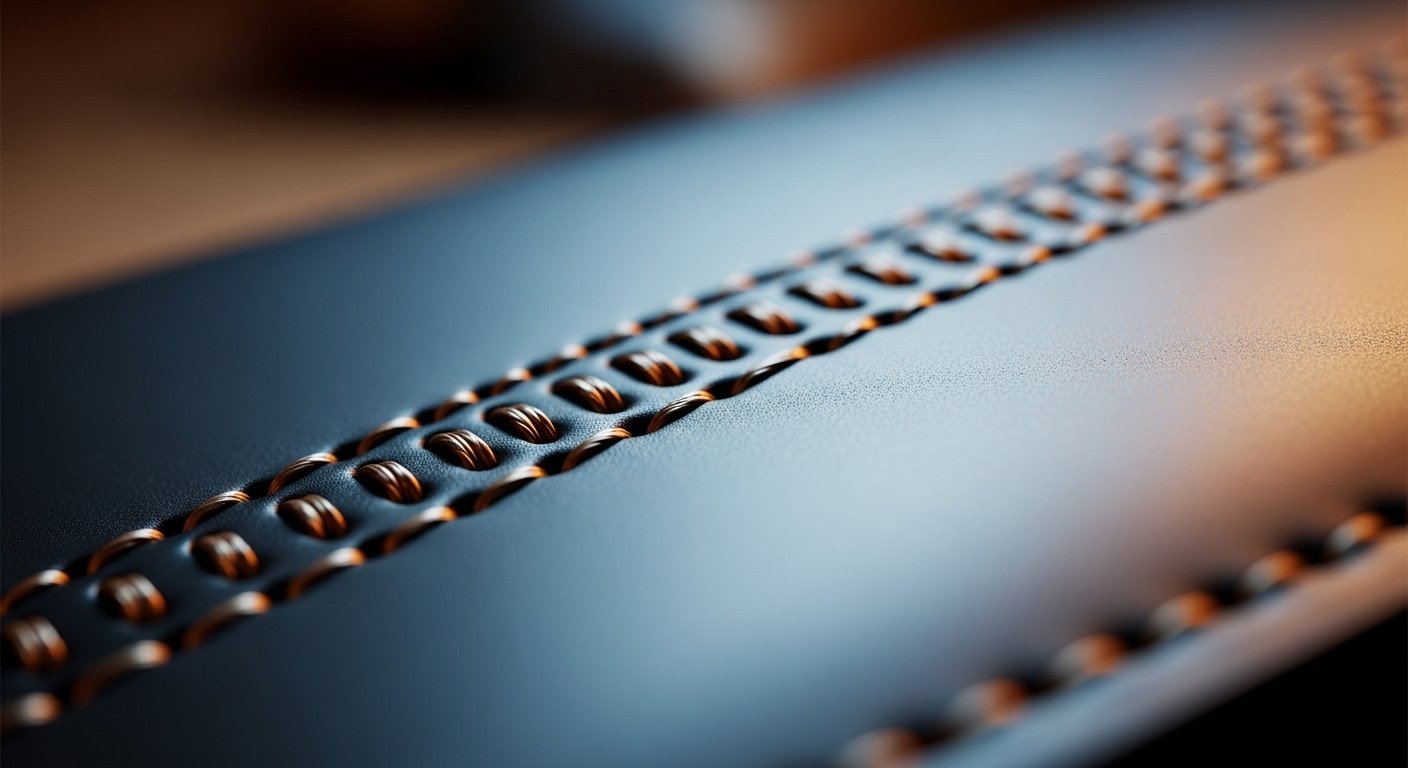
In a world increasingly focused on mass production, the discerning eye often seeks out products that stand apart. Often, the hidden hero behind exceptional durability and refined aesthetics is high-quality stitching. This fundamental element, though frequently overlooked, acts as a silent testament to a product’s overall integrity and the skill of its makers. Understanding what constitutes superior stitching is therefore crucial for consumers and manufacturers alike. It helps in appreciating the nuanced differences between a fleeting trend and a lasting investment. This article will delve into the intricacies of high-quality stitching, exploring its characteristics, importance, and various applications across industries.

What Defines High-Quality Stitching?

Defining high-quality stitching involves a meticulous examination of several key attributes. These elements collectively contribute to the strength, longevity, and visual appeal of any sewn item. Consequently, recognizing these features empowers consumers to make informed purchasing decisions.

Stitch Type and Consistency

The type of stitch used greatly influences a product’s performance. For instance, lock stitches are common in apparel for their strength. Chain stitches, however, offer more elasticity. Regardless of the type, consistency is paramount. Each stitch should be uniform in length and tension. Irregular stitches often indicate poor craftsmanship or machine malfunction. Furthermore, consistent spacing prevents premature wear and tear, ensuring the garment or item holds together effectively over time.

Thread Selection

Thread choice is another critical factor. High-quality stitching often utilizes threads made from durable materials like polyester, nylon, or sometimes silk, depending on the application. The thread’s thickness must also be appropriate for the fabric and product’s intended use. A thread that is too thin will break easily, whereas one that is too thick can damage the fabric or look bulky. Moreover, colorfastness is essential to prevent fading over time, preserving the product’s aesthetic appeal.

Tension and Alignment

Correct tension is vital for robust seams. If the tension is too loose, the stitches will appear baggy and weak, making the seam prone to unraveling. Conversely, if it is too tight, the fabric may pucker, or the thread might snap under stress, compromising the material. Therefore, balanced tension ensures smooth, flat seams that can withstand significant strain. Proper alignment, where stitches run straight and parallel to the seam edge, also significantly contributes to both the product’s strength and its aesthetic appeal. Crooked seams, however, are a clear sign of rushed or unskilled work.

Edge Finishing

The way fabric edges are treated before or during stitching is indicative of overall quality. Raw edges can fray, weakening the seam over time and leading to premature product failure. Consequently, techniques like serging, binding, or French seams are meticulously employed to encapsulate raw edges. These methods not only prevent fraying but also provide a clean, professional finish, enhancing both durability and visual appeal. Ultimately, neat edge finishing is a hallmark of durable and well-made items.

Why Does High-Quality Stitching Matter?

The significance of high-quality stitching extends far beyond mere aesthetics. It profoundly impacts a product’s functionality, durability, and perceived value. Therefore, understanding its importance is key for both producers and buyers.

Enhanced Durability and Longevity

Products with superior stitching inherently last longer. Strong, consistent seams resist pulling, tearing, and unraveling, even with frequent use or washing. This means that a well-stitched garment or item will maintain its structural integrity for years, enduring the rigors of daily life. Ultimately, this translates into greater value for the consumer and a reduced need for replacements, promoting sustainability.

Superior Aesthetics and Professional Finish

Visually, high-quality stitching is immediately noticeable. It presents a clean, polished, and professional appearance, reflecting attention to detail. Straight lines, even spacing, and well-finished edges contribute to an overall sense of refinement. Conversely, sloppy stitching can detract significantly from a product’s appeal, regardless of the quality of the primary material. Thus, it elevates the entire design, making the product visually appealing.

Increased Product Value

Consumers often associate meticulous stitching with premium products. This perception is well-founded, as the effort and skill required for excellent craftsmanship typically command a higher price point. Investing in items with high-quality stitching often means investing in a product that retains its value and performs reliably over time. Hence, it becomes a mark of luxury and reliability, justifying its cost.

Structural Integrity

Beyond just holding pieces together, stitching provides critical structural integrity. In items like bags, shoes, or upholstered furniture, the seams bear significant stress. High-quality stitching ensures these stress points hold firm, preventing structural collapse or deformation. This is especially true for items designed for heavy use or safety, where seam failure could have serious consequences, highlighting its functional importance.

Identifying High-Quality Stitching in Products

Knowing what to look for can transform you into a more informed consumer. Identifying high-quality stitching requires both visual and tactile examination.

Visual Inspection Tips

First, examine the stitch lines. They should be perfectly straight and even, without any wobbles, breaks, or skipped stitches. Pay close attention to corners and curves; these areas are often challenging to stitch perfectly. Therefore, impeccable corners signify expert craftsmanship. Look for consistent stitch length and density; too few stitches per inch can indicate weakness, while too many might pucker the fabric. Also, check for loose threads or knots, which are signs of poor finishing and potential unraveling.

Tactile Assessment

Feel the seams with your fingers. They should lie flat and smooth against the fabric, without any bulkiness, stiffness, or rough edges. Run your hand over the stitching; it should feel consistent, not lumpy or uneven. Gentle tugging on the seam can also reveal its strength. A well-stitched seam will show minimal give and no signs of stretching or opening up, confirming its robustness.

Common Red Flags

Be wary of several indicators of low-quality stitching. These include uneven stitch lengths, loose threads that can easily snag, puckering along the seam, and misaligned panels that distort the product’s shape. Furthermore, if the thread color doesn’t match the fabric well or appears cheap and flimsy, it might be a sign of cost-cutting. Open seams or unraveling threads are immediate red flags indicating poor durability and a product unlikely to last.

The Craft Behind High-Quality Stitching

Achieving high-quality stitching is not merely a matter of machinery; it is a blend of skilled human effort, advanced technology, and rigorous quality control.

Skilled Artisans and Their Role

Even with sophisticated machines, the human element remains irreplaceable. Experienced artisans understand fabric properties, machine adjustments, and the nuances of different stitch types. Their trained eye can detect subtle imperfections that machines might miss. Moreover, they possess the dexterity required for intricate details and complex patterns, such as those found in intricate embroidery or bespoke tailoring. Hence, their expertise, often honed over years of practice and dedicated training, is fundamental to producing truly exceptional work and ensuring every stitch contributes to the overall high-quality stitching of the product.

Advanced Machinery and Technology

Modern sewing machines, particularly industrial models, offer precision and speed previously unattainable. Programmable machines can execute complex stitch patterns with incredible accuracy, often with multi-axis control for three-dimensional forms. Features like automatic tension adjustment, thread trimming, and sensor-based fabric feeding further enhance efficiency and consistency. However, these machines require regular maintenance and precise calibration by skilled technicians to perform optimally, ensuring that the output consistently meets exacting standards. Therefore, significant investment in cutting-edge equipment and its upkeep is crucial for manufacturers aiming for superior high-quality stitching.

Quality Control Processes

Reputable manufacturers implement stringent quality control at every stage of production. This includes inspecting incoming materials for flaws, monitoring stitching during production to catch errors early, and conducting thorough final product checks. Any deviation from established standards is addressed promptly, often requiring rework or rejection. This systematic approach ensures that only items meeting the highest criteria for high-quality stitching reach the consumer, safeguarding brand reputation.

Applications of High-Quality Stitching Across Industries

The demand for high-quality stitching spans a vast array of industries, each relying on its precision and durability for different critical functions.

Fashion and Apparel

In fashion, stitching is not just functional; it is a design element. From haute couture garments, where every seam is a work of art, to everyday wear, impeccable seams contribute significantly to a garment’s drape, fit, and overall luxurious feel. For example, the crisp lines of a tailored suit, the robust seams of premium denim, or the delicate, hidden stitches of a designer handbag are all hallmarks of meticulous high-quality stitching. Furthermore, high-performance sportswear requires exceptionally robust seams that can withstand intense physical activity, stretching, and repeated washing without tearing or losing integrity.

Automotive Interiors

Automotive manufacturers place a high premium on high-quality stitching for car interiors, recognizing its impact on both durability and luxury perception. Leather seats, dashboards, door panels, and steering wheel covers all feature intricate stitching that must be highly durable, aesthetically pleasing, and resistant to constant wear and tear, temperature fluctuations, and UV exposure. This meticulous level of detail, often including contrast stitching and complex patterns, elevates the vehicle’s perceived luxury, comfort, and resale value, making it a critical aspect of premium car design.

Upholstery and Furniture

For upholstered furniture, the quality of stitching directly impacts both comfort and longevity. Strong, taut seams prevent fabric sagging, maintain the furniture’s shape, and withstand the stresses of daily use over years. Whether it’s a plush sofa, a sturdy dining chair, or a supportive mattress, well-executed stitching is crucial for structural integrity and visual appeal, ensuring the piece maintains its form and comfort.

Outdoor Gear and Luggage

Products designed for rugged environments, such as tents, backpacks, and luggage, absolutely depend on high-quality stitching. These items must endure extreme weather, heavy loads, and abrasive conditions without failing. Reinforced seams, often with double or triple stitching, are essential to prevent failure and ensure the gear performs reliably when needed most, providing safety and peace of mind to users.

Medical and Industrial Textiles

In specialized fields, stitching quality can have even more critical implications. Medical textiles, such as surgical gowns and sterilization wraps, require precise, secure seams to maintain sterility, prevent contamination, and ensure patient safety. Similarly, industrial textiles, like safety harnesses, conveyor belts, or heavy-duty tarpaulins, demand exceptionally strong and reliable stitching for operational safety, performance, and compliance with stringent industry standards.

Maintaining Stitched Products

Even with high-quality stitching, proper care is essential to prolong a product’s life. Always follow care instructions specific to the item’s fabric and construction. Avoid harsh chemicals that can degrade thread fibers over time, weakening seams. Repair small snags or loose threads promptly to prevent further unraveling and larger damage. Regular cleaning and careful storage in appropriate conditions can significantly extend the lifespan of your well-stitched items, preserving their beauty and functionality.

Conclusion

Ultimately, high-quality stitching is far more than a technical detail; it is a cornerstone of product excellence. It underpins durability, enhances aesthetic appeal, and signifies a commitment to superior craftsmanship. From the precise selection of thread to the skilled hands of artisans and the rigorous oversight of quality control, every aspect contributes to a product’s lasting value. Consumers who recognize and appreciate the hallmarks of excellent stitching are better equipped to invest in items that not only look good but also stand the test of time. Therefore, prioritizing products with exceptional stitching is a wise choice for anyone seeking quality and longevity.

Frequently Asked Questions (FAQ)

Q1: How can I tell if stitching is high quality?

A1: Look for even, consistent stitch length and density, straight seams, and no loose threads or puckering. The thread should match the fabric’s weight and color, and edges should be neatly finished, often with serging or binding.

Q2: Does high-quality stitching always mean a higher price?

A2: Generally, yes. The materials, skilled labor, and advanced machinery required for high-quality stitching typically incur higher production costs. However, this investment often translates into greater durability and longevity, offering better value in the long run.

Q3: Can high-quality stitching prevent all types of wear and tear?

A3: While high-quality stitching significantly enhances durability and resistance to common wear and tear, it cannot prevent all damage. Extreme abuse, sharp objects, or improper care can still compromise even the strongest seams. Regular maintenance and appropriate use are still crucial for product longevity.

If you value comfort, durability, and modern design, then Wear Nevora is a brand worth exploring.

Feel free to contact us on WhatsApp or visit our Contact Page for any questions or support.

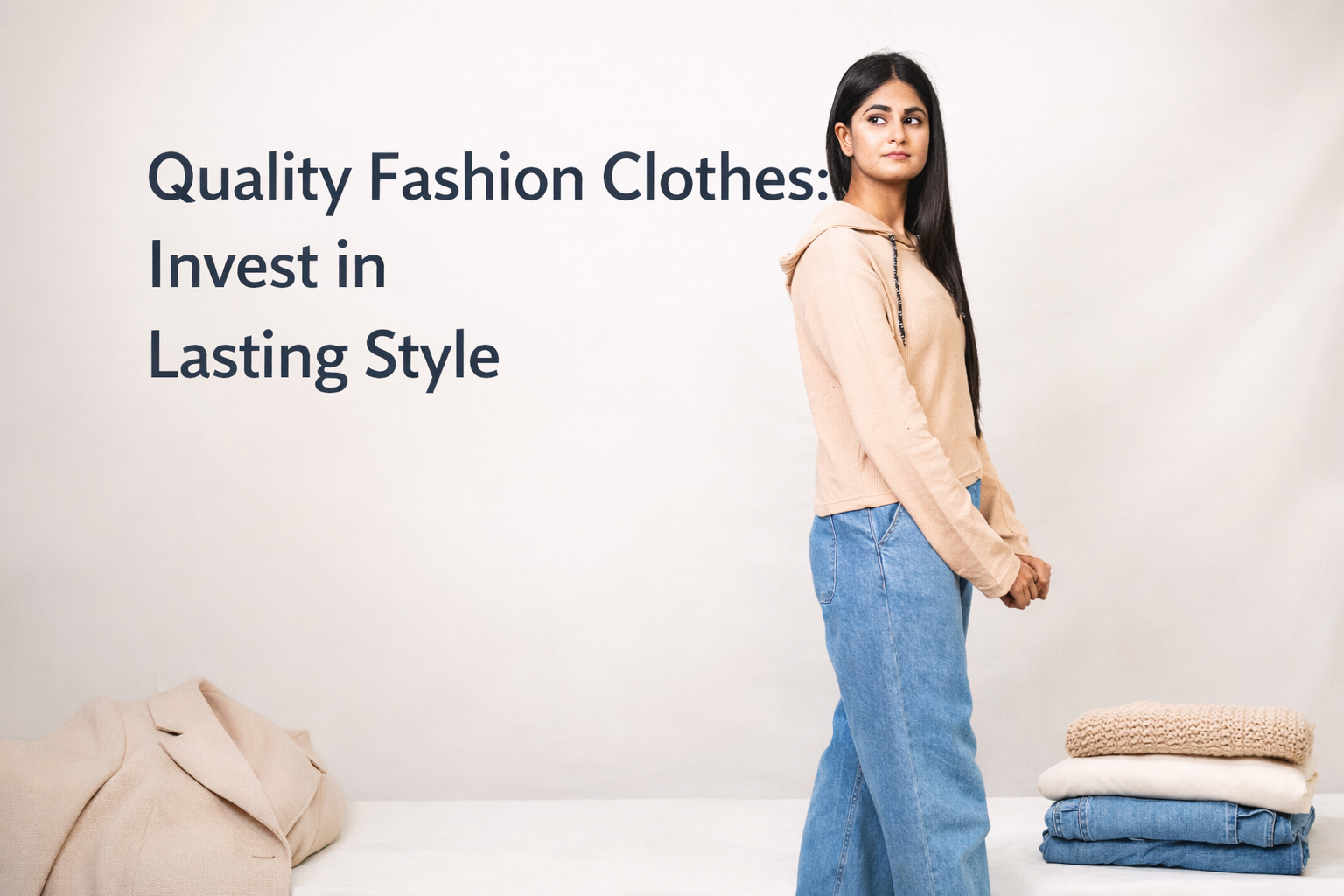
Quality Fashion Clothes: Invest in Lasting Style

In a world dominated by fast fashion, the concept of investing in quality fashion clothes has never been more relevant. Many consumers are shifting their focus from fleeting trends to durable, well-made garments that stand the test of time. This article explores the myriad benefits of choosing quality over quantity, offering practical advice on how to identify superior clothing and build a sustainable, stylish wardrobe.

Why Invest in Quality Fashion Clothes?

Opting for high-quality garments is a decision that pays dividends in various ways. It’s not merely about the initial price tag; rather, it’s about long-term value, comfort, and ethical considerations. Therefore, understanding these advantages is crucial for any discerning shopper.

Durability and Longevity

Perhaps the most obvious benefit of quality fashion clothes is their ability to last. Unlike their fast-fashion counterparts, which often degrade after a few washes, well-constructed items are designed to withstand regular wear and tear. This means fewer replacements and a longer lifespan for your favorite pieces. Consequently, you save money over time and reduce your environmental footprint.

Superior Comfort and Fit

High-quality garments are typically made from better materials and with more attention to detail in their cut and construction. This often translates to a more comfortable fit that drapes well on the body. Furthermore, premium fabrics are usually softer, more breathable, and less likely to irritate the skin. For instance, a well-tailored wool coat will offer warmth without bulk, while a fine cotton shirt feels luxurious against the skin.

Ethical and Sustainable Choices

Investing in quality fashion clothes frequently aligns with more ethical and sustainable practices. Brands that prioritize quality often employ skilled artisans, use responsibly sourced materials, and adhere to fair labor standards. Moreover, by buying fewer, better items, you contribute to reducing textile waste, a significant environmental concern. Ultimately, this approach supports a more conscious consumption model.

Identifying Quality Fashion Clothes: What to Look For

Knowing what constitutes quality is key to making smart purchasing decisions. It requires a keen eye and an understanding of materials and construction techniques. However, with a little practice, you can easily distinguish premium pieces from lesser ones.

Fabric Matters: Natural vs. Synthetic

The fabric is the foundation of any garment’s quality. Generally, natural fibers are highly regarded for their breathability, durability, and feel. Nevertheless, advancements in textile technology mean some synthetic and semi-synthetic fabrics now offer excellent performance.

High-Quality Natural Fabrics:

  • Cotton: Look for Pima, Egyptian, or Supima cotton for superior softness and strength. A higher thread count often indicates better quality.
  • Wool: Merino, cashmere, and alpaca wool are excellent choices for warmth, softness, and resilience. Observe the fiber length and feel for smoothness.
  • Silk: Known for its luxurious feel and natural sheen. Real silk is smooth, drapes beautifully, and feels cool to the touch.
  • Linen: A strong, breathable fiber that becomes softer with each wash. It’s ideal for warm climates and has a distinctive, natural texture.

High-Quality Synthetic/Semi-Synthetic Fabrics:

  • Tencel/Lyocell: A sustainable fiber made from wood pulp, known for its softness, strength, and drape.
  • Modal: Another rayon fiber, softer and more resistant to shrinkage than traditional rayon.
  • Cupro: A regenerated cellulose fiber that feels like silk but is machine washable.

When assessing fabric, scrutinize the weave. Tightly woven fabrics are generally more durable. Also, check for evenness in color and texture.

Examine the Craftsmanship

The way a garment is put together speaks volumes about its quality. Therefore, a thorough inspection of the construction details is essential.

Stitching and Seams:

  • Even and Consistent Stitches: Quality garments feature small, tight, and even stitches. Loose or uneven stitching is a red flag.
  • Reinforced Seams: Look for French seams, flat-felled seams, or serged seams, especially in areas of high stress. These prevent fraying and add durability.
  • No Loose Threads: Excess loose threads often indicate poor quality control.

Buttons, Zippers, and Hardware:

  • Securely Attached Buttons: Buttons should be sewn on tightly, ideally with a shank for durability. Furthermore, spare buttons are a sign of thoughtful manufacturing.
  • Smooth-Operating Zippers: High-quality zippers (e.g., YKK) glide smoothly without snagging. They should also be well-integrated into the garment.
  • Durable Hardware: Buckles, clasps, and other metal hardware should feel substantial and not flimsy. They should also be free of tarnishing or sharp edges.

Lining and Interfacing:

  • Full Lining: A well-made jacket or dress will typically be fully lined with a quality fabric like Bemberg or silk, which helps the garment hold its shape and allows it to glide over other clothes.
  • Proper Interfacing: Interfacing, an unseen layer, provides structure and support to collars, cuffs, and plackets

Construction Techniques

Beyond basic stitching, certain construction techniques are hallmarks of superior craftsmanship.

Pattern Matching:

  • For patterned fabrics, especially plaids or stripes, the pattern should match precisely at the seams. This demonstrates meticulous cutting and sewing.

Finishing Details:

  • Finished Hems: Hems should be even, well-pressed, and neatly stitched, often hand-stitched on higher-end items.
  • Buttonholes: Buttonholes should be neatly finished, without loose threads, and perfectly sized for the buttons.

The True Cost of Quality: Beyond the Price Tag

While quality fashion clothes often come with a higher upfront cost, it’s important to consider the long-term financial benefits. The perception that quality is always more expensive can be misleading when you factor in actual wear.

Conclusion

Investing in quality fashion clothes is a strategic decision that offers numerous benefits, from enhanced durability and comfort to ethical and environmental advantages. By understanding how to identify superior fabrics, meticulous craftsmanship, and thoughtful design, consumers can build a wardrobe that is both stylish and sustainable. While the initial outlay may be higher, the long-term value, reduced need for replacements, and positive impact on the planet make quality a truly worthwhile investment. Ultimately, choosing quality means choosing a more conscious and enduring approach to fashion.

Frequently Asked Questions (FAQ)

Q1: How can I tell if a fabric is high quality?

A1: To assess fabric quality, examine its weave for tightness and evenness. Feel the texture; it should be smooth, substantial, and not flimsy. Check for a consistent color and absence of pilling or snags. For natural fibers like cotton or wool, research specific types (e.g., Supima cotton, Merino wool) known for their superior qualities.

Q2: Is it always more expensive to buy quality fashion clothes?

A2:* While *quality fashion clothes often have a higher upfront price, they are not necessarily more expensive in the long run. Consider the ‘cost per wear’ – a high-quality item that lasts for years will often be more economical than multiple cheaper items that quickly fall apart. Investing in fewer, better pieces can lead to significant savings over time and reduce your overall consumption.

Q3: How do I care for my quality garments to ensure they last?

A3: Proper care is crucial for extending the life of your quality garments. Always follow the care instructions on the label. This typically involves using appropriate washing temperatures, gentle detergents, and specific drying methods (e.g., air drying, dry cleaning for delicate items). Storing clothes correctly, repairing minor damage promptly, and rotating your wardrobe can also significantly contribute to their longevity.

If you value comfort, durability, and modern design, then Wear Nevora is a brand worth exploring.

Feel free to contact us on WhatsApp or visit our Contact Page for any questions or support.

Mens Clothing: The Ultimate Guide to Style, Comfort & Confidence

Men’s clothing is more than just fabric — it’s a powerful form of self-expression. From everyday staples to trend-forward pieces, the right wardrobe can elevate confidence, define personality, and deliver comfort without compromise. At Wear Nevora, we believe every modern man deserves clothing that looks great and feels even better. Whether it’s smart casuals, streetwear essentials, or premium everyday pieces, our collection is designed for versatility and timeless style. (wearnevora.com)

Why Mens Clothing Matters Today

Fashion is no longer limited to women’s style — mens clothing has become a statement of personality, professionalism, and lifestyle. The way you dress influences how others perceive you, affects your confidence, and even changes how you feel throughout the day. Investing in high-quality, stylish clothing is not just about appearances; it’s a lifestyle choice that reflects attention to detail and personal values.

Modern mens clothing caters to versatility, comfort, and style simultaneously. Gone are the days when men had limited options — today’s wardrobe is a mix of classic staples, contemporary trends, and statement pieces that can transition from casual weekends to formal occasions seamlessly.

Building a Mens Clothing Wardrobe

A functional mens wardrobe balances essentials, statement pieces, and seasonal items. Here’s a breakdown:

1. Wardrobe Essentials

Essentials form the foundation of any great wardrobe. These include:

  • T-shirts and Polo Shirts: Perfect for layering or wearing solo, they are versatile for casual and semi-formal looks.

  • Jeans and Chinos: Slim-fit or straight-cut, these bottoms pair effortlessly with almost any top.

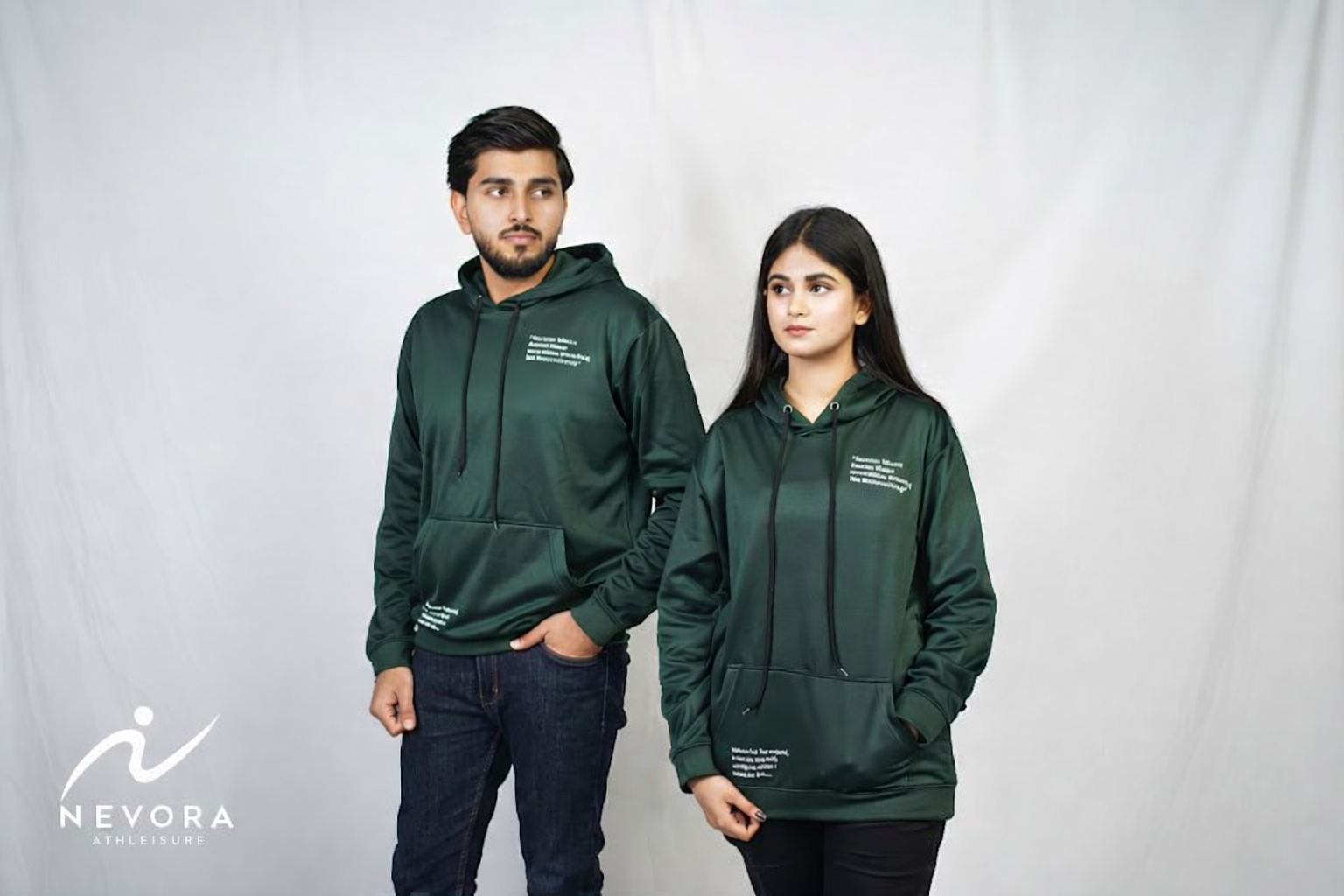
  • Hoodies and Sweatshirts: Combine comfort with street-style appeal, ideal for casual outings.

  • Button-Down Shirts: Perfect for smart casual or formal occasions, these shirts offer timeless elegance.

At Wear Nevora, essentials are crafted with high-quality fabric for durability and a refined finish. Pieces like the Nevora Classic Tee or Signature Polo Shirt offer both comfort and style. (wearnevora.com)

2. Statement Pieces

Statement pieces add character to a wardrobe. These include:

  • Graphic Hoodies and Sweatshirts: Express individuality while staying stylish.

  • Outerwear: Jackets, blazers, and coats that elevate any outfit.

  • Layered Clothing: Vests, cardigans, or layered shirts create depth and interest.

These pieces allow men to experiment with color, texture, and style without sacrificing practicality. Wear Nevora’s urban-inspired hoodies and jackets are perfect examples of statement mens clothing. (wearnevora.com)

3. Seasonal & Occasion-Based Clothing

Seasonal clothing adapts your wardrobe to weather and events:

  • Summer: Breathable shirts, cotton shorts, and casual sneakers.

  • Winter: Warm sweaters, hoodies, and stylish coats.

  • Formal Occasions: Suits, tailored trousers, and crisp shirts.

  • Casual Occasions: Streetwear, jeans, casual shirts, and layered outfits.

Wear Nevora designs clothing with seasonality in mind, ensuring comfort and style regardless of the weather. (wearnevora.com)

Trends in Mens Clothing

Fashion trends for men evolve quickly, but some patterns have proven timeless:

  1. Minimalist Design: Clean lines, neutral colors, and understated elegance.

  2. Streetwear Influence: Oversized hoodies, graphic prints, joggers, and sneakers dominate casual mens clothing.

  3. Athleisure: Blending athletic wear with everyday fashion for comfort and style.

  4. Sustainable Fashion: High-quality, long-lasting fabrics that are eco-friendly.

Wear Nevora combines these trends with classic styling, creating mens clothing that’s contemporary, stylish, and practical.

Choosing the Right Fabrics

Fabric choice significantly affects both comfort and style. Key materials include:

  • Cotton: Soft, breathable, and perfect for everyday wear.

  • Linen: Lightweight and ideal for summer clothing.

  • Wool & Knitwear: Provides warmth in cooler months while remaining stylish.

  • Denim: Durable and versatile, ideal for jeans and jackets.

  • Blends: Combining fabrics for durability, stretch, and comfort.

Wear Nevora prioritizes premium fabrics to ensure mens clothing is comfortable, durable, and stylish. (wearnevora.com)

The Importance of Fit

Fit is crucial in mens clothing — even premium garments can look off if they don’t fit properly. Common fit types include:

  • Slim Fit: Contoured to the body, perfect for a sleek look.

  • Regular Fit: Balanced comfort and style for everyday wear.

  • Relaxed Fit: Extra comfort and casual style, ideal for streetwear.

Wear Nevora ensures all clothing is designed to provide the perfect balance between comfort and contemporary style. (wearnevora.com)

Mens Clothing Accessories

Accessories can transform an outfit and complete a look. Essential accessories include:

  • Watches: Add elegance and sophistication.

  • Belts: Functional and stylish, matching the outfit enhances the overall appearance.

  • Footwear: Sneakers, loafers, or formal shoes make or break a look.

  • Bags & Backpacks: Practicality meets fashion, especially for work and travel.

Wear Nevora recommends pairing minimal accessories with stylish mens clothing to enhance your outfit without overcomplicating it. (wearnevora.com)

Styling Tips for Modern Men

Here’s how to make mens clothing work harder for your wardrobe:

  1. Layering: Use jackets, hoodies, and cardigans to add depth.

  2. Mixing Textures: Combine denim, cotton, and knitwear for a balanced look.

  3. Color Coordination: Neutral colors as a base with bold pieces as accents.

  4. Invest in Essentials: High-quality tees, pants, and outerwear are the foundation.

  5. Occasion Awareness: Dress appropriately for work, casual outings, and formal events.

Wear Nevora’s collection is designed to accommodate all these tips, ensuring your wardrobe is versatile and stylish. (wearnevora.com)

Occasions & How to Dress

Different occasions call for different mens clothing:

  • Work & Business Casual: Tailored pants, button-down shirts, and classic shoes.

  • Casual & Weekend Outfits: Hoodies, tees, jeans, and casual sneakers.

  • Night Out: Stylish jackets, fitted shirts, and statement shoes.

  • Special Events: Formal suits, polished shoes, and subtle accessories.

Wear Nevora provides clothing suitable for all occasions, making it easy to look polished while staying comfortable. (wearnevora.com)

Why Choose Wear Nevora for Mens Clothing

Wear Nevora is redefining modern menswear by offering:

  • Contemporary Design: Trend-forward yet timeless clothing.

  • High-Quality Fabrics: Ensuring durability, comfort, and longevity.

  • Affordable Luxury: Stylish clothing that fits your budget.

  • Versatility: Clothing that works for multiple occasions and seasons.

Every item from Wear Nevora is carefully designed to combine style, comfort, and function, making it the go-to choice for men looking to elevate their wardrobe. (wearnevora.com)

Caring for Your Mens Clothing

Maintaining mens clothing ensures they last longer:

  • Follow Washing Instructions: Preserve fabric quality.

  • Proper Storage: Use hangers for shirts and jackets to maintain shape.

  • Regular Maintenance: Repair minor damages to extend the life of your clothes.

  • Rotate Outfits: Avoid overusing favorite pieces to keep them in top condition.

Wear Nevora designs clothing that’s easy to care for, allowing you to focus on style without extra hassle. (wearnevora.com)

FAQs About Mens Clothing

Q1: What is the best way to style casual mens clothing?
A: Combine essentials like jeans and tees with statement pieces such as jackets or graphic hoodies. Layering adds versatility and style.

Q2: How do I choose the right fit for my body type?
A: Slim-fit is ideal for lean frames, regular fit for average builds, and relaxed fit for a comfortable, casual look. Wear Nevora offers all fits for various body types.

Q3: Are Wear Nevora’s mens clothing items durable?
A: Yes, all products use premium fabrics and high-quality stitching to ensure longevity and comfort.

Q4: Can I mix streetwear and smart casual clothing?
A: Absolutely. Combining structured items like chinos with casual hoodies or sneakers can create a balanced, modern look.

Q5: Do Wear Nevora clothes suit all seasons?
A: Yes, the collection includes versatile items designed for summer, winter, and transitional weather. (wearnevora.com)

Conclusion

Mens clothing isn’t just about dressing up — it’s about expressing who you are. With thoughtful choices in fabrics, fits, accessories, and styling, you can create a wardrobe that’s functional, stylish, and uniquely you. Wear Nevora provides the perfect combination of modern design, comfort, and affordability. Explore our collection today to elevate your style, feel confident, and make every outfit count. (wearnevora.com)

For any questions or support, contact us via WhatsApp: Click Here to Chat

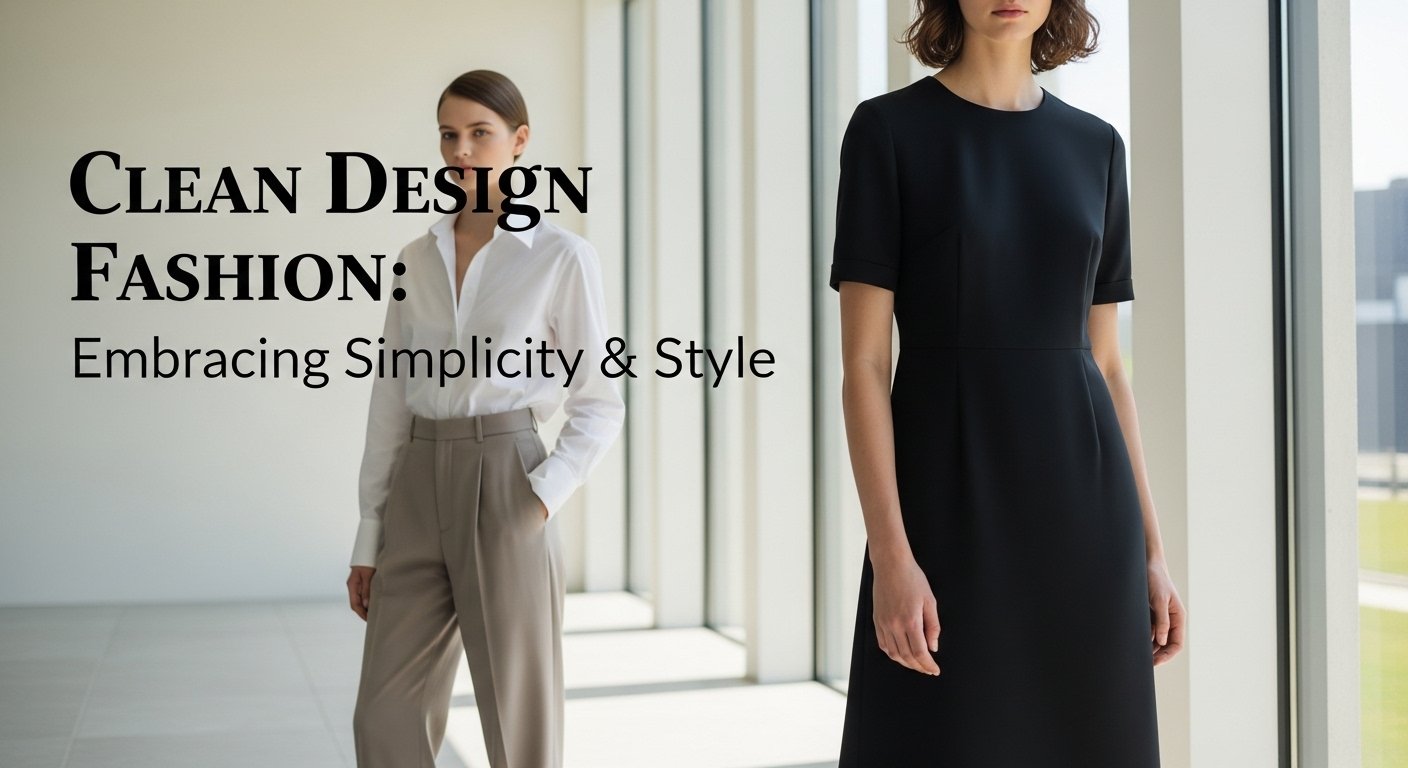
Clean Design Fashion: Embracing Simplicity & Style

Clean design fashion represents a significant shift in the apparel industry, moving towards a philosophy that values purity, functionality, and sustainability. It’s more than just an aesthetic; it’s a comprehensive approach to creating clothing that is both beautiful and responsible. This movement challenges the fast fashion paradigm, advocating for pieces that endure both in quality and style. In essence, clean design fashion emphasizes thoughtful creation and conscious consumption.

What Defines Clean Design Fashion?

Understanding the core tenets of clean design fashion is crucial for appreciating its impact. This approach transcends mere appearance; it delves into the very essence of how garments are conceived, produced, and consumed. Therefore, it encompasses several key characteristics that differentiate it from conventional fashion.

Minimalist Aesthetics

At its heart, clean design fashion embraces minimalism. This means fewer embellishments, simpler silhouettes, and a focus on clean lines. The beauty lies in understated elegance, allowing the quality of materials and craftsmanship to shine through. Furthermore, a minimalist palette often features neutral tones like black, white, grey, and earth tones, enhancing versatility and ease of mixing and matching. The absence of excessive detailing ensures that garments remain timeless, resisting fleeting trends.

High-Quality Materials

Durability is a cornerstone of this movement. Clean design fashion prioritizes the use of high-quality, often natural, organic, or recycled materials. For instance, common choices include organic cotton, linen, Tencel (lyocell), hemp, and recycled polyester. This commitment ensures garments are built to last, reducing the need for frequent replacements. Consequently, consumers invest in pieces that maintain their integrity, comfort, and appearance over many years. The selection of robust fabrics directly contributes to the longevity of the garment.

Ethical Production

Transparency and ethical practices are paramount within clean design fashion. Brands adhering to these principles often ensure fair wages, safe working conditions, and responsible manufacturing processes for all their employees and partners. This commitment extends throughout the entire supply chain, from raw material sourcing to final production. Many brands seek certifications like Fair Trade or GOTS (Global Organic Textile Standard) to validate their ethical claims. Hence, it supports human rights and environmental stewardship, ensuring that the creation of beautiful clothing does not come at a human cost.

Longevity and Versatility

The goal is to create timeless pieces that can be worn across seasons and for various occasions. Versatility is key; a single garment should ideally serve multiple purposes within a wardrobe. For example, a well-cut blazer can transition from a professional setting to a casual evening out. This approach actively combats the fleeting trends of fast fashion, promoting a more sustainable and enduring style. By investing in versatile items, consumers can create numerous outfits with fewer pieces, reducing overall consumption.

The Rise of Clean Design in Fashion

The growing appeal of clean design fashion is not accidental; rather, it is a direct response to evolving consumer values and pressing global challenges. Consumers are increasingly seeking alternatives to the environmental and social costs associated with mass production and rapid consumption. Consequently, this shift reflects a broader societal awakening towards more conscious living.

Consumer Awareness

Modern consumers are more informed than ever before. They are increasingly aware of the significant environmental footprint of their purchases and the ethical implications of production practices. Social media and documentaries have amplified these concerns, driving demand for more responsible options. This heightened awareness directly fuels the growth of clean design fashion brands, as individuals seek to align their values with their purchasing decisions.

Environmental Impact

The fashion industry is notoriously one of the largest contributors to pollution, waste, and resource depletion. Clean design fashion offers a viable solution by advocating for reduced consumption, sustainable materials, and longer product lifespans. By focusing on quality over quantity, it helps to minimize textile waste in landfills and reduces the demand for virgin resources. Therefore, it plays a vital role in mitigating the industry’s extensive ecological damage, contributing to a healthier planet.

Timeless Appeal

In a world saturated with fleeting trends and an incessant cycle of new collections, the enduring elegance of clean design offers a refreshing alternative. Pieces that transcend seasonal fads provide lasting value and a sense of sophisticated style. This focus on classic silhouettes and understated beauty ensures that garments remain relevant for years, thereby reducing the psychological pressure to constantly update one’s wardrobe. Moreover, this inherent timelessness significantly contributes to a more sustainable and mindful approach to fashion.

Key Principles of Clean Design Fashion

Adhering to specific principles ensures that a brand or a garment truly embodies the essence of clean design fashion. These principles guide both the creation and consumption processes, fostering a more mindful and responsible approach to style.

Simplicity in Form

Every element within a clean design garment serves a deliberate purpose. Unnecessary adornments, complex patterns, and superfluous details are stripped away, leaving behind pure, functional forms. This simplicity often results in designs that are inherently elegant, easy to wear, and effortlessly integrate into diverse outfits. The focus is on the cut, drape, and texture of the fabric, allowing these inherent qualities to define the garment’s character.

Functionality Over Ornamentation

While aesthetics are undoubtedly important, functionality consistently takes precedence in clean design fashion. Garments are designed to be practical, comfortable, and adaptable to various situations and lifestyles. This focus ensures that clothing is not just beautiful to look at but also eminently wearable and suitable for everyday life. For example, pockets are thoughtfully placed, and closures are designed for ease of use, enhancing the overall utility of the piece.

Sustainable Sourcing

The origin of materials is critically important to clean design fashion. There is a strong emphasis on sourcing organic, recycled, upcycled, or innovative low-impact fabrics, thereby minimizing environmental harm. This includes avoiding materials that require excessive water, pesticides, or harmful chemicals in their production. Furthermore, it often involves working with suppliers who uphold high ethical standards and use environmentally responsible manufacturing processes, ensuring a positive impact from the very beginning of the supply chain.

Transparency in Supply Chains

Consumers today demand to know where and how their clothes are made. Brands committed to clean design provide a high degree of transparency, openly sharing information about their manufacturing processes, factory locations, and supply chain partners. This accountability builds trust with consumers and allows them to make informed decisions. It also encourages other brands to adopt similar practices, fostering a more responsible and ethical industry overall.

Benefits of Adopting Clean Design Fashion

Embracing clean design fashion offers a multitude of advantages, impacting individuals, the planet, and the broader industry. The ripple effects are profound, promoting a healthier, more sustainable, and more fulfilling relationship with clothing.

For the Consumer

Consumers benefit significantly from a more curated, versatile, and stress-free wardrobe. Investing in high-quality, durable pieces often leads to considerable cost savings in the long run, as items last longer and require fewer replacements. Furthermore, the minimalist aesthetic promotes a sense of calm, clarity, and confidence in personal style, reducing decision fatigue and fostering a deeper appreciation for one’s clothing. It encourages mindful consumption, leading to a more satisfying shopping experience.

For the Planet

The environmental benefits are substantial and far-reaching. Reduced textile waste in landfills, lower carbon footprints from production and transportation, and less reliance on harmful chemicals are direct outcomes of sustainable practices inherent in clean design. By supporting brands that prioritize eco-friendly materials and processes, consumers contribute positively to ecological preservation, biodiversity, and the fight against climate change. This collective action helps to lessen the fashion industry’s overall environmental burden.

For the Industry

The movement pushes the fashion industry towards greater responsibility, innovation, and long-term viability. It encourages brands to re-evaluate their production methods, invest in sustainable technologies, and prioritize ethical considerations throughout their operations. This fosters a more sustainable and equitable industry future, moving away from exploitative practices and towards models that benefit both people and the planet. It also inspires creativity in designing within sustainable parameters, leading to groundbreaking new approaches.

How to Incorporate Clean Design Fashion into Your Wardrobe

Transitioning to a clean design fashion wardrobe is an achievable and rewarding goal. It involves making conscious choices, prioritizing quality over quantity, and cultivating a more thoughtful approach to personal style. Here are practical steps to guide you on this journey.

Invest in Staples

Begin by building your wardrobe around versatile, foundational pieces that form the backbone of a clean design aesthetic. Think classic, well-fitting items such as a crisp white shirt, tailored black trousers, a timeless denim jacket, and a simple, elegant dress in neutral colors. These staples are designed to be mixed and matched effortlessly, creating numerous outfits with a limited number of items. They serve as a canvas for your personal style.

Prioritize Quality

Choose garments made from durable, high-quality materials and with excellent craftsmanship. While the initial investment might be higher compared to fast fashion alternatives, these pieces are built to withstand the test of time, frequent wear, and washing. Therefore, they offer superior value in the long run, reducing the need for constant replacements and ultimately saving you money. Look for sturdy seams, quality stitching, and robust fabric compositions.

Consider Versatility

Before making any purchase, carefully consider how a new item will integrate with existing pieces in your wardrobe. Opt for items that can be dressed up or down, worn in multiple seasons, and styled for various occasions. A versatile piece maximizes its utility and reduces the need for specialized clothing items. For example, a simple knit sweater can be worn with jeans for a casual look or with a skirt for a more formal ensemble.

Shop Responsibly

Research brands that genuinely align with clean design fashion principles. Look for clear certifications, transparent supply chain reports, and explicit commitments to ethical and sustainable practices. Supporting these brands reinforces the movement and encourages more companies to adopt similar responsible approaches. Furthermore, consider exploring second-hand options, vintage stores, or clothing rental services as eco-friendly ways to expand your clean design wardrobe.

Conclusion

Clean design fashion is more than a trend; it’s a foundational shift towards a more sustainable and ethical apparel industry. By prioritizing minimalism, quality, and responsible production, it offers consumers a path to a more thoughtful and enduring wardrobe. Embracing these principles not only elevates personal style but also contributes positively to environmental stewardship and social equity. Ultimately, clean design fashion empowers us to make conscious choices, fostering a future where elegance and responsibility coexist seamlessly.

Frequently Asked Questions (FAQ)

Q1: What is the main difference between clean design fashion and sustainable fashion?

A1: While both concepts overlap significantly, clean design fashion primarily focuses on the aesthetic and functional aspects of minimalism, quality, and longevity in design, alongside ethical production. Sustainable fashion, on the other hand, is a broader term encompassing all efforts to reduce the environmental and social impact of clothing throughout its lifecycle, including eco-friendly materials, fair labor, and circularity. Clean design fashion is often a subset or a key approach within the larger sustainable fashion movement.

Q2: Is clean design fashion expensive?

A2: Initially, pieces adhering to clean design principles might have a higher upfront cost due to premium materials, ethical production, and superior craftsmanship. However, these garments are designed for durability and timelessness, meaning they last longer and don’t need frequent replacement. Therefore, in the long run, investing in clean design fashion can prove more cost-effective than repeatedly buying cheaper, fast fashion items.

Q3: How can I start building a clean design fashion wardrobe on a budget?

A3: Begin by auditing your current wardrobe to identify gaps and versatile staples you truly need. Focus on acquiring one high-quality, versatile piece at a time rather than multiple trendy items. Consider shopping second-hand or exploring ethical brands during sales. Prioritize neutral colors and classic silhouettes that can be mixed and matched easily, maximizing outfit combinations without excessive purchases.

If you value comfort, durability, and modern design, then Wear Nevora is a brand worth exploring.

Feel free to contact us on WhatsApp or visit our Contact Page for any questions or support.

Sign Up Newsletter

Sign up our newsletter and save 25% off for the next purchase!

Subscribe to our newsletters and don’t miss new arrivals, the latest fashion updates and our promotions.