



+92 312 9485003 Wearnevora@gmail.com
Winter sale discount off 50%! Shop Now

Mini Cart

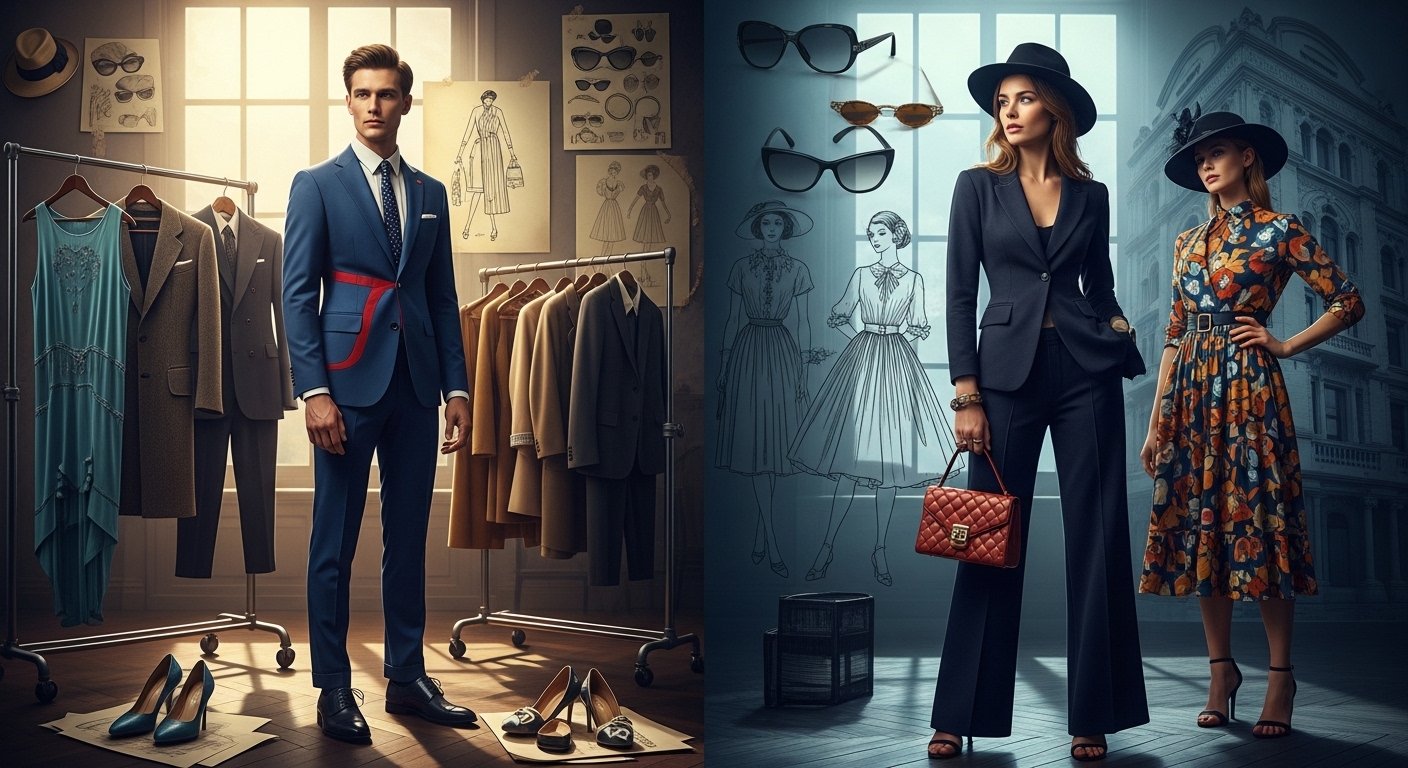
Men’s and women’s fashion: Trends & Timeless Styles

Fashion is a powerful form of self-expression, constantly evolving and reflecting societal changes. Indeed, understanding Men’s and women’s fashion involves delving into a rich tapestry of history, culture, and individual identity. This comprehensive guide explores the distinct yet often interconnected worlds of apparel for all genders, highlighting key trends, historical impacts, and future directions. Therefore, whether you are a seasoned fashion enthusiast or simply curious, this article will illuminate the intricacies of how we dress and why it matters.

The Ever-Evolving Landscape of Men’s and Women’s Fashion

The narrative of Men’s and women’s fashion is one of continuous transformation. It mirrors social norms, technological advancements, and artistic movements. Historically, clothing served practical purposes, offering protection and signifying status. However, over centuries, it blossomed into a complex system of aesthetic codes and personal statements.

Historical Roots and Cultural Impact

Ancient civilizations, for instance, used attire to denote social hierarchy, religious beliefs, and tribal affiliations. Egyptians draped themselves in linen, while Romans favored togas. During the Renaissance, elaborate garments showcased wealth and power. Clearly, the evolution of textiles, dyes, and tailoring techniques profoundly influenced these developments. Furthermore, cultural exchange has consistently introduced new styles and materials, enriching the global fashion vocabulary.

Key Milestones in Fashion History

Several pivotal moments have reshaped Men’s and women’s fashion. The Industrial Revolution, for example, democratized clothing production, making fashion accessible to more people. The early 20th century saw women shedding corsets for more practical silhouettes, a reflection of changing roles. Post-war eras brought about distinct youth cultures and subcultures, each with their unique sartorial expressions. Consequently, these shifts demonstrate fashion’s role as both a mirror and a catalyst for societal change.

Distinctive Elements in Men’s Fashion

Men’s fashion, while often perceived as less volatile than women’s, possesses its own intricate history and distinct characteristics. It emphasizes structure, utility, and understated elegance, though modern trends often challenge these traditional boundaries.

Classic Silhouettes and Wardrobe Staples

For generations, certain items have formed the bedrock of men’s wardrobes. Consider the well-tailored suit, a symbol of professionalism and sophistication. Similarly, denim jeans, the crisp white shirt, and the versatile trench coat remain timeless. These staples, moreover, provide a foundation upon which contemporary trends are built, offering a blend of comfort and style. Indeed, understanding these basics is crucial for any man building a versatile wardrobe.

Emerging Trends and Modern Interpretations

Today, men’s fashion is more dynamic than ever. We observe a strong lean towards casualization, with athleisure wear gaining significant traction. Oversized silhouettes, utilitarian details, and a blend of high-end and streetwear influences are prominent. Furthermore, sustainability is becoming a key driver, pushing brands towards ethical production and eco-friendly materials. Therefore, men are increasingly embracing bolder colors, experimental textures, and personalized accessories.

The Role of Accessories and Grooming

Accessories play a vital role in men’s styling, often providing subtle yet significant enhancements. Watches, ties, pocket squares, and quality footwear can elevate an outfit. Moreover, grooming has become an integral part of men’s fashion, with skincare, haircare, and fragrance contributing to a polished overall presentation. In essence, these elements complete the look, reflecting attention to detail and personal style.

Distinctive Elements in Women’s Fashion

Women’s fashion is renowned for its diversity, expressiveness, and rapid trend cycles. It often pushes boundaries and serves as a powerful medium for personal and political statements.

Versatility and Expressive Freedom

Women’s fashion offers unparalleled versatility, allowing for a vast spectrum of styles, from bohemian chic to minimalist elegance. This freedom enables women to express various facets of their personality and adapt their attire to diverse occasions. Consequently, the sheer breadth of options, including dresses, skirts, trousers, and intricate layering, provides endless possibilities for creative expression. Moreover, this adaptability contributes to the vibrant nature of Men’s and women’s fashion as a whole.

Iconic Styles and Trendsetting Moments

Throughout history, women’s fashion has seen numerous iconic moments. Think of Coco Chanel’s little black dress, Christian Dior’s New Look, or the miniskirt of the 1960s. These designs not only defined eras but also often challenged social norms, empowering women through clothing. Each decade, furthermore, introduces new silhouettes, fabrics, and aesthetics that capture the zeitgeist. Hence, staying abreast of these developments is an exciting aspect of women’s style.

The Impact of Accessories and Embellishments

For women, accessories are transformative. Handbags, jewelry, scarves, and shoes can completely alter an outfit’s character. Embellishments such as embroidery, sequins, and intricate beadwork add texture and visual interest. These details, moreover, allow for a high degree of personalization and can elevate even the simplest garment. Consequently, the thoughtful selection of accessories is paramount in crafting a distinctive look.

Unifying Trends and Crossover Styles

While distinct, Men’s and women’s fashion increasingly converges on several key trends. Many contemporary movements transcend traditional gender boundaries, fostering a more inclusive and fluid approach to dressing.

Gender-Neutral and Androgynous Fashion

One significant development is the rise of gender-neutral and androgynous fashion. Brands are increasingly designing collections that can be worn by anyone, regardless of gender identity. This movement emphasizes comfort, clean lines, and versatile pieces, challenging conventional notions of masculinity and femininity in clothing. Therefore, items like oversized blazers, relaxed trousers, and minimalist streetwear are popular across the spectrum.

Sustainable and Ethical Fashion Movements

Sustainability is no longer a niche concern; it is a critical imperative across all fashion sectors. Consumers are demanding greater transparency, ethical labor practices, and environmentally friendly materials. Consequently, brands are responding by using organic cotton, recycled fabrics, and innovative sustainable alternatives. Furthermore, the emphasis on quality over quantity and the promotion of circular fashion models (e.g., resale, rental) are reshaping consumption habits for both men and women.

The Influence of Technology and Social Media

Technology and social media have dramatically accelerated trend cycles and democratized fashion. Influencers, bloggers, and online communities now wield significant power in shaping tastes. E-commerce has made global fashion accessible, while digital tools like virtual try-ons and AI-powered recommendations personalize the shopping experience. Moreover, this digital connectivity means that trends can spread globally almost instantaneously, impacting Men’s and women’s fashion simultaneously.

Navigating Current Men’s and Women’s Fashion Trends

Staying current with Men’s and women’s fashion involves recognizing recurring themes and adapting them to personal style. Several overarching trends are currently defining the industry.

Casualization and Comfort

The pandemic significantly accelerated the shift towards comfort-first dressing. Loungewear, activewear, and relaxed silhouettes have become mainstream. This trend emphasizes soft fabrics, elastic waistbands, and versatile pieces that transition seamlessly from home to street. Accordingly, even formal wear incorporates elements of comfort, blending elegance with ease.

Revival of Vintage Styles

Fashion is cyclical, and vintage revivals are a constant source of inspiration. Currently, we are seeing strong influences from the 70s, 90s, and Y2K eras. Think flared trousers, oversized blazers, slip dresses, and chunky sneakers. These nostalgic elements are often reinterpreted with a modern twist, offering a fresh take on classic looks. Therefore, thrifting and vintage shopping have gained immense popularity.

Bold Colors and Patterns

After periods of minimalism, there is a resurgence of vibrant colors and expressive patterns. Bright hues, color blocking, and playful prints are making a statement in both men’s and women’s collections. This trend reflects a desire for optimism and joy in dressing. Consequently, individuals are embracing bold choices to stand out and express their individuality.

Personalization and Customization

In an era of mass production, personalization offers a unique appeal. Consumers are seeking ways to make their clothing uniquely their own, whether through custom embroidery, bespoke tailoring, or limited-edition collaborations. This desire for individuality drives demand for unique pieces and supports smaller, artisanal brands. Furthermore, DIY fashion and upcycling also contribute to this trend, allowing for creative self-expression.

The Future of Men’s and Women’s Fashion

The future of Men’s and women’s fashion promises even greater innovation and transformation, driven by technology, sustainability, and evolving social values.

Digital Fashion and NFTs

Digital fashion, including virtual clothing for avatars and NFT (Non-Fungible Token) garments, is an emerging frontier. These digital assets allow for creative expression in virtual spaces and offer new revenue streams for designers. Moreover, they represent a sustainable alternative to physical consumption, reducing waste and environmental impact. Therefore, we can expect this segment to grow significantly.

Advanced Materials and Smart Textiles

Technological advancements in materials science will revolutionize clothing. Smart textiles with embedded sensors could monitor health, adjust to temperature changes, or even charge devices. Bio-engineered fabrics and materials derived from unexpected sources (e.g., mushrooms, algae) will offer sustainable and high-performance alternatives. Consequently, the functionality and performance of garments will reach new levels.

Inclusivity and Diversity

The fashion industry is increasingly embracing inclusivity and diversity. This means more diverse representation in campaigns, broader size ranges, and designs that cater to various body types and abilities. Fashion will continue to evolve towards being more accessible and representative of the global population. This commitment to diversity ensures that Men’s and women’s fashion truly serves everyone.

FAQs

1. What are the current fashion trends for men and women?
Current trends include oversized fits, neutral tones, sustainable fabrics, vintage-inspired outfits, and athleisure styles for both men and women.

2. How can I mix trendy fashion with timeless styles?
You can pair trendy pieces like statement jackets or bold accessories with classic items such as tailored pants, white shirts, or denim for a balanced look.

3. Why are timeless fashion styles important?
Timeless styles never go out of fashion, offer long-term value, and help build a versatile wardrobe that works across seasons and occasions.

Conclusion

Men’s and women’s fashion continues to evolve with fresh trends while embracing timeless styles that never fade. By blending modern fashion elements with classic wardrobe staples, you can create looks that are stylish, versatile, and long-lasting. Whether following trends or investing in timeless pieces, smart fashion choices help express individuality with confidence.

If you value comfort, durability, and modern design, then Wear Nevora is a brand worth exploring.

Feel free to contact us on WhatsApp or visit our Contact Page for any questions or support.
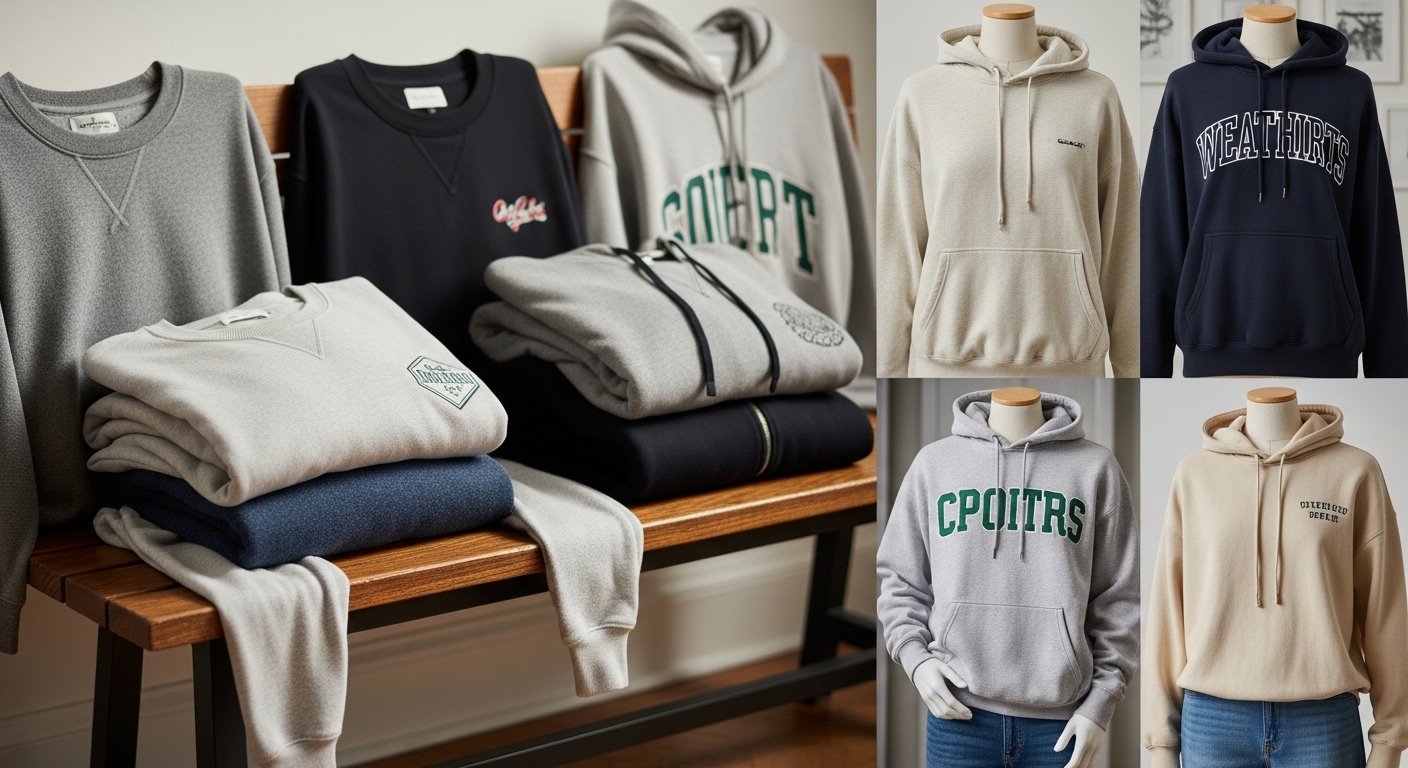
Sweatshirts: The Ultimate Guide to Comfort & Style

Sweatshirts have transcended their humble athletic origins to become a cornerstone of modern casual wear. Indeed, these versatile garments offer an unparalleled blend of comfort, practicality, and effortless style. From the gym to the runway, sweatshirts have proven their adaptability, making them a beloved item in wardrobes worldwide. This comprehensive guide explores everything you need to know about sweatshirts, helping you maximize their potential.

The Enduring Appeal of Sweatshirts

Initially designed for athletes, sweatshirts quickly gained traction due to their functional benefits. However, their soft fabric and relaxed fit soon made them popular beyond sports fields. Consequently, they evolved into a symbol of casual comfort and an essential part of everyday attire.

A Brief History of the Sweatshirt

The origin of the sweatshirt dates back to the 1920s when Benjamin Russell Jr., a football player, sought a more comfortable and less irritating alternative to wool jerseys. His father, a clothing manufacturer, developed a loose, collarless cotton pullover. This innovative design absorbed sweat effectively and allowed for greater movement. Therefore, the first true sweatshirt was born, revolutionizing athletic wear. Over time, its comfort and utility led to its adoption by the wider public, firmly establishing its place in fashion history.

Why Sweatshirts Remain a Wardrobe Staple

Sweatshirts offer numerous advantages that contribute to their enduring popularity. Firstly, their primary appeal lies in their exceptional comfort. Made predominantly from cotton or cotton blends, they provide a soft feel against the skin. Moreover, their relaxed fit allows for unrestricted movement. Secondly, they are incredibly versatile. You can dress them up or down, making them suitable for a myriad of occasions. Furthermore, sweatshirts offer practical warmth, making them perfect for cooler weather or as a layering piece. Ultimately, their ability to combine functionality with effortless style ensures their continuous relevance in fashion.

Types of Sweatshirts: Finding Your Perfect Match

The world of sweatshirts is diverse, offering various styles to suit different preferences and needs. Understanding these types can help you choose the best sweatshirts for your personal style.

Classic Crewneck Sweatshirts

The crewneck sweatshirt is arguably the most iconic style. Characterized by its round, collarless neckline, it offers a clean and timeless aesthetic. Typically, these sweatshirts feature ribbed cuffs and hems, providing a snug fit. They are incredibly versatile, serving as a blank canvas for various outfits. For instance, a plain grey crewneck can be a foundational piece for countless casual looks. Many prefer crewnecks for their minimalist appeal and ease of layering.

Versatile Hoodies

Hoodies, a variation of the sweatshirt, include a hood and often a front pocket (kangaroo pocket). The addition of a hood provides extra warmth and protection from the elements. Hoodies are particularly popular for their casual, street-style vibe. They come in both pullover and zip-up styles, offering different levels of convenience. Consequently, hoodies are a go-to choice for relaxed outings, gym sessions, or simply lounging at home. Their inherent practicality makes them a favorite among many.

Zip-Up Sweatshirts

Zip-up sweatshirts, sometimes called track jackets or full-zip hoodies, feature a full-length zipper down the front. This design offers excellent versatility, as they can be worn open, partially zipped, or fully zipped. This makes them ideal for layering, allowing for easy temperature regulation. For example, you can throw a zip-up over a t-shirt for a quick, comfortable outfit. Therefore, they are an excellent option for transitional weather or active lifestyles.

Athletic and Performance Sweatshirts

Designed with specific activities in mind, athletic and performance sweatshirts often incorporate technical fabrics that wick moisture, offer breathability, and provide stretch. These garments are engineered to enhance comfort and performance during workouts. They might feature ergonomic designs, thumbholes, or specialized ventilation panels. While their primary function is sportswear, many athletic sweatshirts also boast sleek designs suitable for athleisure wear.

How to Style Sweatshirts for Every Occasion

One of the greatest strengths of sweatshirts is their adaptability in styling. Indeed, with a few thoughtful pairings, you can transform a simple sweatshirt into a fashion statement for various settings.

Casual Everyday Looks

For a classic casual look, pair your sweatshirt with jeans or chinos. This combination is effortlessly cool and comfortable. For instance, a grey crewneck with dark-wash jeans and white sneakers creates a timeless ensemble. Alternatively, a hoodie with joggers and trainers offers a relaxed, sporty vibe perfect for running errands or casual meet-ups. Furthermore, consider adding a baseball cap or a beanie for an extra touch of laid-back style. These simple pairings highlight the inherent ease of wearing sweatshirts.

Elevated Smart-Casual Ensembles

Surprisingly, sweatshirts can be integrated into smart-casual outfits with the right approach. Layer a crisp, collared shirt underneath a crewneck sweatshirt, allowing the collar and cuffs to peek out. Pair this with tailored trousers or dark-wash denim and loafers or smart sneakers. Moreover, opting for sweatshirts in premium fabrics like cashmere blends or those with subtle detailing can significantly elevate the look. A monochromatic outfit, where your sweatshirt matches your bottoms, also creates a sophisticated, cohesive appearance. This approach demonstrates the versatility of sweatshirts beyond purely casual contexts.

Layering Techniques with Sweatshirts

Layering is key to maximizing the utility and style of sweatshirts. During colder months, wear a long-sleeve t-shirt or thermal underneath for added warmth. Over your sweatshirt, you can layer a denim jacket, a bomber jacket, a parka, or even a tailored blazer. For example, a hoodie under a denim jacket offers a cool, urban aesthetic. Conversely, a crewneck under a blazer creates an unexpected yet stylish contrast. These layering techniques not only provide warmth but also add depth and interest to your outfit.

Choosing the Right Sweatshirt: Factors to Consider

Selecting the perfect sweatshirt involves more than just picking a color. Several factors contribute to comfort, durability, and style. Therefore, consider these aspects before making a purchase.

Fabric and Material Matters

The most common material for sweatshirts is cotton, often blended with polyester. Cotton provides softness and breathability, while polyester adds durability, wrinkle resistance, and helps maintain shape. French terry, a type of knit fabric with loops on one side, is another popular choice, known for its moisture-wicking properties and comfortable feel. For colder weather, fleece-lined sweatshirts offer superior warmth. Furthermore, organic cotton or recycled blends are excellent choices for environmentally conscious consumers. The fabric choice significantly impacts the sweatshirt’s feel and performance.

Fit and Sizing Essentials

The fit of your sweatshirt plays a crucial role in both comfort and style. A classic fit is neither too tight nor too loose, offering a balanced silhouette. An oversized fit provides a more relaxed, contemporary look, often favored for casual and streetwear styles. Conversely, a slim fit offers a more tailored appearance, suitable for elevated casual outfits. Always check the brand’s sizing chart, as sizes can vary. Consider how you intend to wear the sweatshirt—will it be layered, or worn on its own? This will influence your ideal fit.

Color and Design Trends

While classic colors like grey, black, navy, and white remain timeless, don’t shy away from exploring other options. Earth tones, pastels, and vibrant hues can add personality to your wardrobe. Graphic sweatshirts, featuring logos, prints, or embroidery, offer a way to express individuality. Furthermore, consider details such as unique stitching, ribbed patterns, or contrasting drawstrings. Staying aware of current trends can help you make stylish choices, but ultimately, choose colors and designs that resonate with your personal aesthetic and complement your existing wardrobe. The right design can transform a basic item into a statement piece.

Caring for Your Sweatshirts: Longevity Tips

Proper care is essential to ensure your sweatshirts remain soft, maintain their shape, and last for years. Following simple washing and drying guidelines can make a significant difference in their lifespan.

Firstly, always check the care label inside your sweatshirt. Most cotton or cotton-blend sweatshirts can be machine washed in cold water with similar colors. Using cold water helps prevent shrinking and fading. Secondly, turn your sweatshirt inside out before washing to protect any prints or embroidery. Avoid using harsh detergents or bleach, which can damage the fabric fibers and colors. Instead, opt for a mild detergent. Thirdly, when drying, air-drying is often the best option to prevent shrinkage and preserve the fabric’s integrity. Hang your sweatshirt on a padded hanger or lay it flat. If using a dryer, select a low heat setting and remove the sweatshirt while it’s still slightly damp to avoid over-drying. Finally, store your sweatshirts folded rather than hung to prevent stretching, especially for heavier items. By adhering to these simple care instructions, you can significantly extend the life of your favorite sweatshirts.

Frequently Asked Questions (FAQ)

1. What makes sweatshirts so comfortable?
Sweatshirts are usually made from soft fabrics like cotton, fleece, or cotton blends that provide warmth, breathability, and a cozy feel, making them perfect for everyday wear.

2. Can sweatshirts be worn for both casual and stylish looks?
Yes! Sweatshirts are versatile. You can pair them with jeans, joggers, or layer them over shirts for a casual look, or style them with tailored pants and sneakers for a modern, trendy outfit.

3. How do I choose the right sweatshirt for my needs?
Consider the fabric, fit, and purpose. Lightweight sweatshirts are great for mild weather, while fleece-lined options work best for colder days. Choose slim-fit for a polished look or oversized for relaxed comfort.

Conclusion

Sweatshirts are a timeless wardrobe essential that perfectly balance comfort and style. Whether you’re relaxing at home, heading out for a casual day, or creating a streetwear-inspired outfit, the right sweatshirt can elevate your look effortlessly. With endless designs, fits, and fabrics available, sweatshirts remain a go-to choice for all seasons and lifestyles.

If you value comfort, durability, and modern design, then Wear Nevora is a brand worth exploring.

Feel free to contact us on WhatsApp or visit our Contact Page for any questions or support.
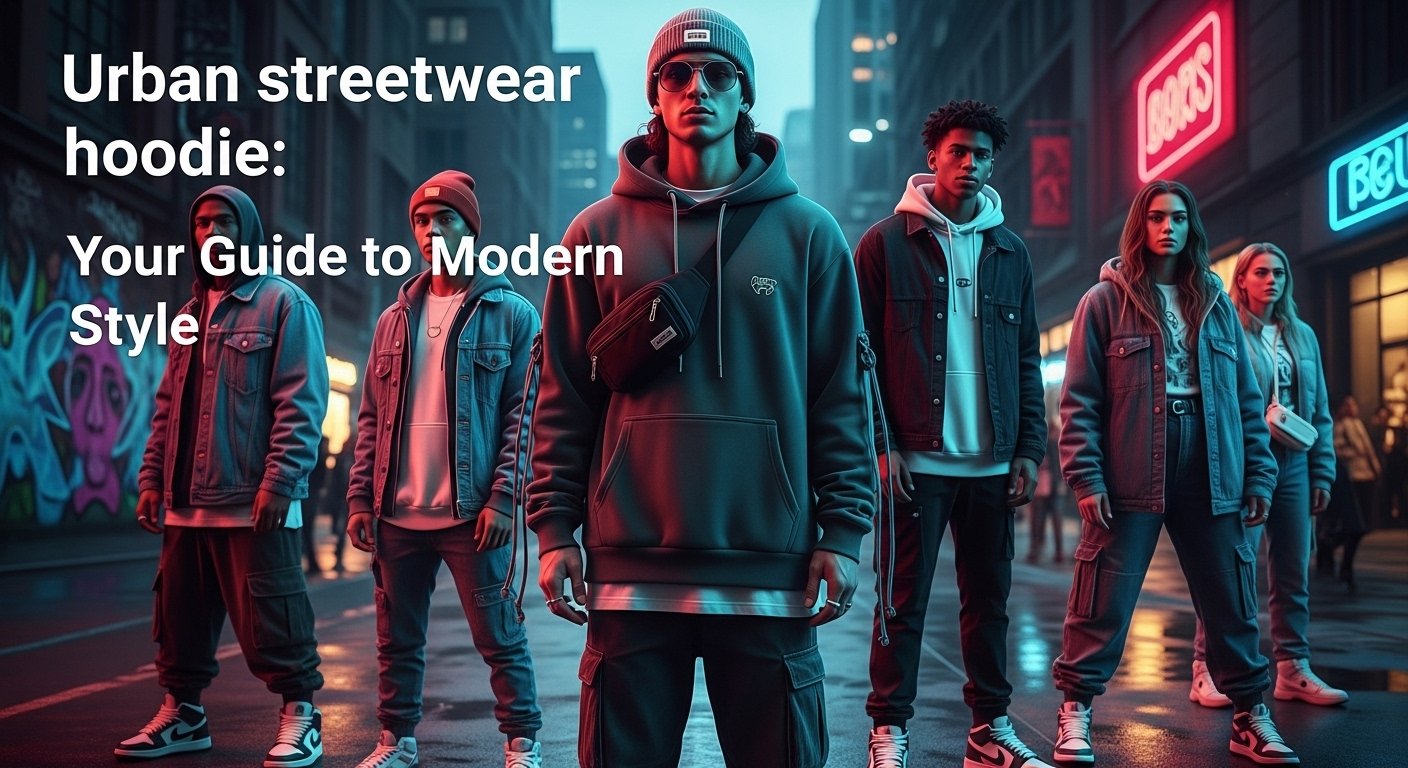
Urban Streetwear Hoodie: Your Guide to Modern Style

The urban streetwear hoodie has evolved from a simple athletic garment into a cornerstone of contemporary fashion. Indeed, its journey reflects a fascinating blend of comfort, rebellion, and artistic expression. Today, this versatile piece is much more than just a casual top; it represents a lifestyle, a statement of individuality, and a key element in countless stylish ensembles. Understanding its appeal requires a look into its origins and the cultural movements that propelled it into the global spotlight.

The Enduring Appeal of the Urban Streetwear Hoodie

Streetwear, as a fashion phenomenon, draws heavily from diverse subcultures, including skateboarding, hip-hop, and graffiti art. Consequently, the hoodie, with its inherent practicality and understated cool, found a natural home within these communities. Its ability to offer anonymity, warmth, and a canvas for bold graphics made it indispensable. Moreover, its democratic nature means it transcends age, gender, and social status, truly embodying the spirit of urban culture.

A Brief History of Hoodie Culture

The hoodie’s roots trace back to the 1930s, when Champion produced the first hooded sweatshirts for laborers and athletes. Initially, it served a purely functional purpose, protecting workers from the cold and athletes from the elements. However, by the 1970s, hip-hop culture in New York City embraced the hoodie. It became synonymous with breakdancing crews and graffiti artists, providing a sense of mystique and a uniform for the burgeoning urban scene. Later, the skateboarding and punk rock movements further cemented its status as a symbol of counter-culture.

Why Streetwear Embraced the Hoodie

Streetwear, fundamentally, is about authenticity and self-expression. The hoodie offered both in abundance. For one thing, its comfortable, relaxed fit resonated with the casual yet impactful aesthetic of street style. Furthermore, it provided a perfect medium for brand logos, graphic designs, and artistic statements. This allowed individuals to showcase their affiliations and personal style effortlessly. Therefore, the urban streetwear hoodie became a canvas for identity, seamlessly blending functionality with fashion-forward design.

Key Characteristics of an Authentic Urban Streetwear Hoodie

Not all hoodies are created equal, especially when it comes to streetwear. Specific design elements and quality considerations distinguish a true urban streetwear hoodie from a basic athletic one. Identifying these characteristics is crucial for anyone looking to invest in authentic pieces.

Materials and Comfort

High-quality materials are paramount. Most streetwear hoodies are crafted from heavy-weight cotton blends, often fleece-lined for superior warmth and softness. French terry cotton is another popular choice, known for its looped back and excellent breathability. The fabric should feel substantial, not flimsy, indicating durability and a premium feel. Furthermore, the stitching should be robust, ensuring the garment withstands regular wear and washing.

Fit and Silhouette

The fit of an urban streetwear hoodie typically leans towards an oversized or relaxed silhouette. This provides comfort and allows for effortless layering, which is a hallmark of streetwear styling. While some may prefer a slightly more tailored look, the general trend favors a loose, boxy cut that drapes well. Dropped shoulders are also common, contributing to the relaxed aesthetic. It is important to consider how the hoodie will sit on your frame; it should feel comfortable without being excessively baggy.

Graphics, Logos, and Branding

Graphics and branding are often central to the streetwear hoodie’s identity. These can range from subtle embroidered logos to bold, screen-printed designs, intricate patches, or even artistic collaborations. Many streetwear brands are recognized for their distinctive graphics, which often carry cultural references, political statements, or abstract art. Consequently, the visual elements of a hoodie can significantly impact its overall appeal and value.

Color Palettes and Versatility

While black, grey, and white remain timeless staples, streetwear hoodies also embrace a wide spectrum of colors. Earthy tones, muted pastels, and vibrant neons all find their place. The versatility of these palettes allows for easy integration into various outfits. A well-chosen color can either provide a subtle base or act as a striking focal point for your ensemble. Hence, considering your existing wardrobe and personal preferences is key.

Styling Your Urban Streetwear Hoodie: Outfit Ideas

Mastering the art of styling an urban streetwear hoodie involves understanding balance, layering, and personal expression. This versatile garment offers endless possibilities, allowing you to create looks that are both comfortable and undeniably chic.

Casual Everyday Looks

For a classic, effortless look, pair your hoodie with distressed denim jeans and clean, minimalist sneakers. This combination is a go-to for many, offering comfort without sacrificing style. Alternatively, consider cargo pants for a more utilitarian vibe. A beanie or baseball cap can complete this laid-back ensemble, adding to the urban aesthetic. Remember, the key is to ensure your pieces complement each other, creating a cohesive outfit.

Layering for Different Seasons

The hoodie excels as a layering piece. In cooler weather, wear it under an oversized denim jacket, a bomber jacket, or a puffer coat. This not only adds warmth but also creates interesting textures and dimensions. For milder days, a simple t-shirt underneath allows for easy removal if temperatures rise. Conversely, in warmer climates, a lightweight hoodie can be worn over shorts and a tank top for an evening stroll. Therefore, adapting your layers to the season is essential for comfort and style.

Elevating Your Streetwear Game

To elevate your hoodie look, experiment with unexpected pairings. For instance, try wearing your urban streetwear hoodie with tailored trousers and chunky leather boots. This juxtaposition of casual and formal elements creates a sophisticated yet edgy appeal. Accessorize with statement jewelry, a high-quality cross-body bag, or designer sunglasses. Furthermore, pay attention to proportions; an oversized hoodie can be balanced with slimmer bottoms, creating a harmonious silhouette. These thoughtful touches can transform a simple outfit into a fashion statement.

Choosing the Perfect Urban Streetwear Hoodie

Selecting the right urban streetwear hoodie involves more than just picking a cool design. It requires careful consideration of quality, fit, and how it aligns with your personal style. Making an informed choice ensures longevity and satisfaction.

Considering Quality and Durability

Invest in hoodies made from durable, high-quality fabrics. Check the stitching for strength and consistency. A well-constructed hoodie will maintain its shape, color, and softness after multiple washes. While high-end brands often guarantee superior quality, many emerging labels also offer excellent craftsmanship. Reading reviews and inspecting garments carefully before purchase can help you assess their durability. Ultimately, a quality hoodie is a long-term investment in your wardrobe.

Finding Your Personal Style

Your hoodie should reflect your personal aesthetic. Do you prefer minimalist designs or bold graphics? Are you drawn to neutral tones or vibrant colors? Consider how the hoodie will integrate with your existing wardrobe. If you’re building a foundational streetwear collection, versatile pieces in classic colors might be a good starting point. Conversely, if you’re looking to make a statement, a unique graphic or an unusual color could be perfect. Therefore, trust your instincts and choose what genuinely resonates with you.

Top Brands to Explore

Numerous brands excel in producing exceptional urban streetwear hoodie designs. Established names like Supreme, Off-White, and BAPE are synonymous with streetwear culture, often releasing highly coveted pieces. However, don’t overlook brands like Stüssy, Carhartt WIP, and Fear of God ESSENTIALS, which offer premium quality and distinctive aesthetics. Additionally, many independent designers and smaller labels are pushing boundaries with innovative designs. Exploring a range of brands will help you discover unique pieces that truly stand out.

Maintaining Your Streetwear Hoodie

Proper care is essential to preserve the quality and longevity of your urban streetwear hoodie. Following recommended washing and storage practices will keep it looking fresh and feeling comfortable for years to come.

Washing and Care Tips

Always check the care label inside your hoodie for specific washing instructions. Generally, most hoodies should be washed inside out in cold water on a gentle cycle. This helps protect the fabric, graphics, and color. Avoid using harsh detergents or bleach, which can damage the material and fade designs. Tumble drying on a low heat or air drying flat is preferable to high heat, which can cause shrinkage and damage to prints. If air drying, reshape the hoodie while it’s still damp to maintain its original form.

Storing for Longevity

Proper storage is just as important as proper washing. Fold your hoodies neatly and store them in a drawer or on a shelf to prevent stretching or creasing. Hanging heavy hoodies can sometimes distort their shape, especially at the shoulders. Ensure your storage area is cool, dry, and away from direct sunlight to prevent fading and mildew. By taking these simple steps, your urban streetwear hoodie will remain a cherished and stylish item in your wardrobe for a long time.

FAQs

1. What makes an urban streetwear hoodie different from a regular hoodie?
Urban streetwear hoodies focus on bold designs, oversized fits, premium fabrics, and influence from hip-hop, skate, and city culture. They’re made to be a style statement, not just casual wear.

2. How should an urban streetwear hoodie fit?
Most streetwear hoodies are designed with a relaxed or oversized fit. This adds comfort and creates the laid-back, confident look that defines modern street style.

3. Can urban streetwear hoodies be worn year-round?
Yes! Lightweight hoodies work well in spring and summer evenings, while thicker, fleece-lined hoodies are perfect for fall and winter layering.

 Conclusion

Urban streetwear hoodies have become a cornerstone of modern fashion, blending comfort with bold self-expression. From graphic prints to minimalist designs, they allow wearers to showcase individuality while staying effortlessly stylish.

Whether paired with cargo pants, jeans, or sneakers, an urban hoodie adapts to countless looks. Its versatility makes it a must-have for anyone aiming to stay on trend without sacrificing comfort.

If you value comfort, durability, and modern design, then Wear Nevora is a brand worth exploring.

Feel free to contact us on WhatsApp or visit our Contact Page for any questions or support.
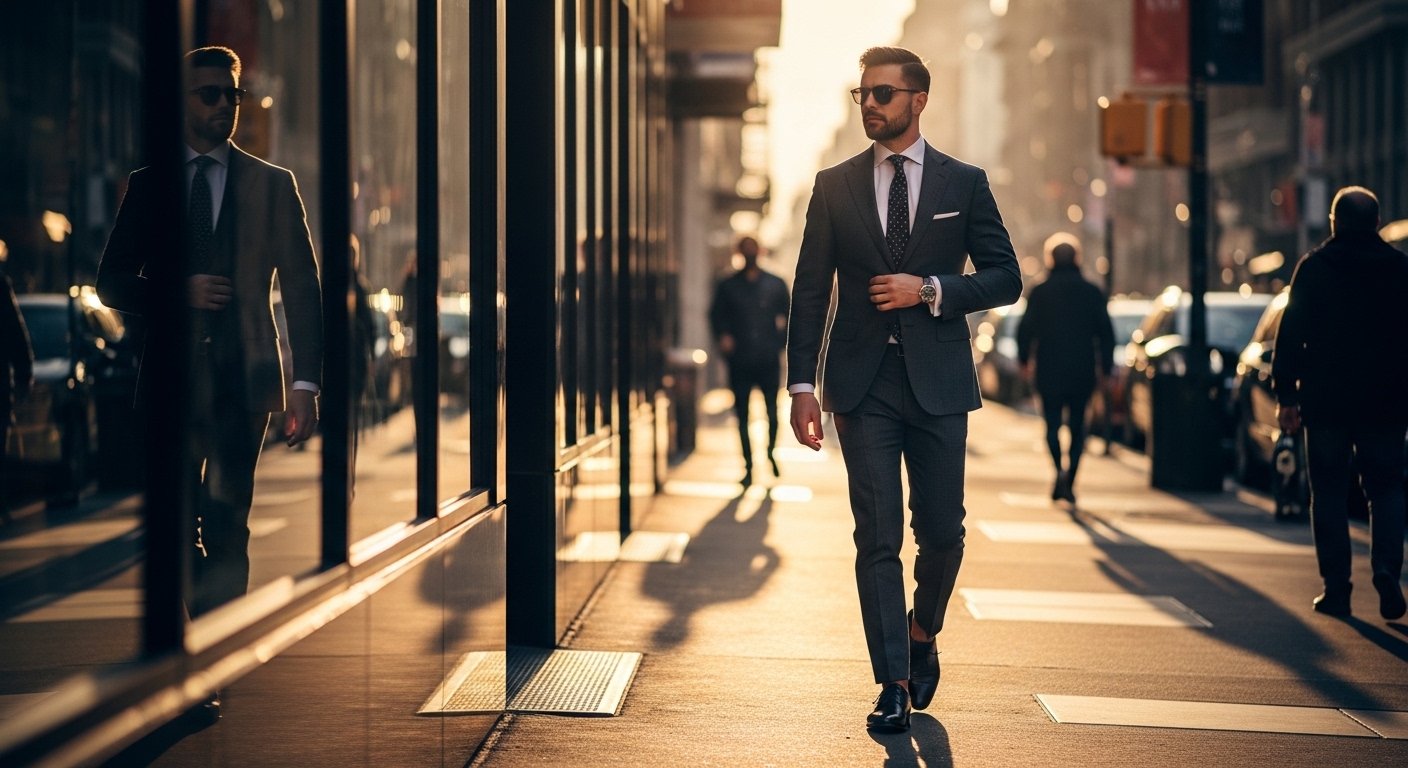
Men’s fashion: The Ultimate Guide to Elevate Your Style

Men’s fashion is more than just clothing; it is an expression of identity, confidence, and personal style. For many, navigating the vast landscape of trends, timeless pieces, and sartorial rules can feel daunting. However, understanding the core principles can empower any man to build a wardrobe that not only looks good but also feels authentically ‘him’. This comprehensive guide will help you decipher the nuances of modern men’s fashion, offering practical advice to refine your aesthetic and dress with purpose. We will explore everything from foundational garments to the art of accessorizing, ensuring you develop a style that truly represents you.

Understanding the Fundamentals of Men’s Fashion

Before diving into specific items or trends, it is crucial to grasp the foundational elements of men’s fashion. These principles serve as the bedrock for any well-curated wardrobe. Truly, a strong understanding here simplifies all future styling decisions and helps you make informed choices.

Building a Versatile Wardrobe

A versatile wardrobe forms the cornerstone of practical style. Essentially, focus on pieces that can be mixed and matched effortlessly across various occasions. For instance, neutral colors like navy, grey, black, and white provide excellent bases, allowing for greater flexibility. These foundational hues mean you can create numerous outfits from a smaller, more efficient collection of clothes. Consequently, you can maximize your options without overcrowding your closet. Therefore, invest in quality over quantity, as durable, well-made items will serve you longer and look better.

The Importance of Fit

Fit is arguably the most critical aspect of looking good, regardless of cost or brand. Ill-fitting clothes, whether too baggy, too tight, or simply the wrong length, detract significantly from your appearance. Conversely, well-fitting garments instantly elevate your look, making even basic outfits appear polished. Always ensure your clothes contour naturally to your body without restricting movement or appearing stretched. This applies to everything from t-shirts to suits. Consider tailoring as a worthwhile investment; it can transform an average suit or pair of trousers into something extraordinary and custom-made. Ultimately, a perfect fit projects confidence, professionalism, and an understanding of sophisticated style.

Color Coordination and Patterns

Mastering color coordination is another fundamental skill in men’s fashion. Begin with understanding complementary colors and analogous schemes, which can guide your pairing choices. Generally, sticking to a maximum of three colors in an outfit prevents visual clutter and maintains a cohesive look. Moreover, patterns, when used judiciously, add depth, texture, and personality to your ensemble. Start with subtle patterns like thin stripes, discreet checks, or micro-dots. Remember, combine patterns carefully; usually, one statement pattern per outfit is sufficient to avoid overwhelming the eye. However, do not be afraid to experiment once you understand the basic rules, as breaking them creatively can lead to unique personal expressions.

Timeless Staples Every Man Needs for His Wardrobe

Certain garments transcend fleeting trends, establishing themselves as enduring pillars of men’s fashion. These timeless staples form the core of any functional and stylish wardrobe. Investing in these versatile pieces ensures you always have reliable options for almost any situation, providing a strong foundation upon which to build.

Classic Shirts and Trousers

A crisp white dress shirt is indispensable for formal and business settings; moreover, a light blue oxford shirt offers unparalleled versatility for both casual and smart-casual scenarios. For trousers, dark wash jeans are a must-have, offering comfort, durability, and a classic aesthetic. Additionally, a pair of well-tailored chinos in a neutral shade like khaki, navy, or olive is incredibly adaptable, perfect for a range of semi-formal to casual looks. Furthermore, wool dress trousers are essential for more formal occasions or when pairing with a blazer. These items are the foundational workhorses of a man’s closet, offering endless pairing possibilities.

Essential Outerwear

Outerwear not only provides protection from the elements but also completes an outfit, adding layers of style and sophistication. A classic trench coat is elegant and practical, particularly for transitional weather, offering a refined silhouette. Similarly, a well-fitting blazer, perhaps in navy or charcoal, instantly elevates almost any ensemble, from jeans to dress trousers. For more casual days, a rugged denim jacket or a sleek bomber jacket adds a touch of youthful sophistication and edge. Furthermore, a simple, well-made overcoat in winter offers both warmth and undeniable style. Consequently, choosing the right outerwear can significantly enhance your overall look and provide versatility.

Footwear Foundations

The right shoes can truly make or break an outfit, acting as a crucial indicator of attention to detail. Therefore, invest wisely in quality footwear that offers both style and comfort. Classic leather oxfords or brogues are essential for formal and business attire, projecting professionalism. For smart-casual looks, consider versatile options like refined loafers, chukka boots, or sleek leather Chelsea boots. Furthermore, a clean pair of white minimalist sneakers offers unparalleled versatility for casual outfits, pairing well with almost anything. Always ensure your shoes are well-maintained, polished, and clean; indeed, scuffed or dirty shoes can ruin an otherwise perfect ensemble and diminish your overall presentation.

Navigating Current Men’s Fashion Trends

While timeless pieces are crucial for a solid foundation, staying aware of current men’s fashion trends keeps your style fresh, modern, and relevant. However, the key is to adapt trends intelligently, rather than slavishly following every fleeting fad. Trends evolve rapidly; therefore, discernment and a personal filter are vital.

Adapting Trends to Your Style

Not every trend will suit your personal aesthetic, body type, or lifestyle. Instead, selectively incorporate elements that resonate with you and complement your existing wardrobe. For example, if oversized silhouettes are trending, try a slightly relaxed fit shirt or a wider-leg trouser rather than a full-on baggy look that might overwhelm your frame. Consider how a new trend integrates with your current pieces and if it truly enhances your look. Ultimately, trends should serve as inspiration to evolve and refresh, not to completely redefine, your unique personal style. Your comfort and confidence in the clothing are paramount.

Sustainable and Ethical Fashion

A significant and increasingly important trend in contemporary men’s fashion is the move towards sustainability and ethical production practices. Consumers are increasingly demanding transparency from brands regarding their environmental impact and labor conditions. Therefore, look for brands committed to environmentally friendly materials, reduced waste, and fair labor practices throughout their supply chain. Investing in high-quality, durable pieces also inherently contributes to sustainability by reducing the need for frequent replacements and decreasing overall consumption. This conscious approach not only benefits your wardrobe with lasting items but also aligns with a responsible and forward-thinking lifestyle.

Dressing for Every Occasion

Understanding appropriate dress codes for various occasions is a hallmark of sophisticated men’s fashion. Different settings demand different approaches and levels of formality. Thus, knowing the rules and expectations helps you dress confidently and respectfully for any event.

Casual and Smart-Casual

For truly casual outings, comfort and personal expression are paramount. Think well-fitting jeans, comfortable t-shirts, stylish polo shirts, and casual sneakers or boots. This is your go-to for relaxed weekends or informal gatherings. Smart-casual, however, requires a slight elevation from pure casual. This might involve chinos or dark wash jeans, a button-down shirt (often untucked if appropriate), a lightweight sweater, or a sport coat/blazer paired with loafers, desert boots, or clean minimalist sneakers. The goal is to look put-together and thoughtful without being overly formal. Consequently, smart-casual is arguably the most common and versatile dress code today, allowing for significant personal interpretation.

Business and Formal Wear

Business attire typically means suits, ties, and polished dress shoes. For professional office settings or important meetings, a charcoal or navy suit is a safe, stylish, and highly respected choice. Always ensure your suit is properly tailored for a sharp, flattering silhouette. Formal wear, such as black tie, demands a tuxedo, a crisp white dress shirt, a black bow tie, and patent leather dress shoes. Understanding these distinctions prevents embarrassing sartorial missteps and demonstrates respect for the occasion and hosts. Moreover, paying attention to smaller details like cuff links, pocket squares, and tie clips significantly enhances a formal look. Clearly, proper formal attire is an essential component of a well-rounded wardrobe.

The Power of Accessories in Men’s Fashion

Accessories are the finishing touches that can elevate an outfit from good to great, transforming a basic look into a statement of personal style. They offer an excellent opportunity to inject personality, sophistication, and polish into your men’s fashion choices. Therefore, never underestimate their subtle yet powerful impact.

Watches, Belts, and Ties

A quality watch is more than a time-telling device; it is a significant statement piece that reflects your taste and attention to detail. Choose a style – be it a classic dress watch, a versatile diver, or a modern minimalist piece – that complements your overall aesthetic and lifestyle. Belts should always match your shoes in color and material, especially in business and formal settings, creating a cohesive line. Ties, furthermore, add color, pattern, and texture to a suit or blazer ensemble, allowing for personal expression. Learn different knot styles like the Four-in-Hand or the Windsor to vary your look. Ultimately, these small, carefully chosen details speak volumes about your understanding of refined style.

Bags and Eyewear

A stylish bag is both highly functional and a crucial fashion accessory. A sleek leather messenger bag, a sophisticated briefcase, or a modern, minimalist backpack can perfectly complement a professional or smart-casual outfit, carrying your essentials with elegance. Likewise, eyewear, whether prescription glasses or sunglasses, significantly impacts your face and overall appearance. Choose frames that suit your face shape and personal style, as they are often the first thing people notice. Truly, well-chosen accessories tie an entire look together, showcasing your meticulous attention to detail and your comprehensive understanding of contemporary men’s fashion.

Developing Your Personal Style

Ultimately, the goal of exploring men’s fashion is to develop a personal style that authentically reflects who you are, your values, and your aspirations. This journey is unique for everyone, involving self-discovery and continuous refinement. Therefore, embrace experimentation and be patient with the process.

Inspiration and Experimentation

Look for inspiration from various sources: fashion magazines, online style blogs, social media influencers, and even well-dressed individuals you admire in everyday life. However, do not simply copy; instead, take elements that appeal to you and adapt them to your own context. Experiment with different colors, textures, and silhouettes that you might not typically consider. Try on clothes outside your comfort zone. Sometimes, the most unexpected combinations yield the best results and reveal new aspects of your style. Moreover, personal style is not static; it evolves as you do, so be open to continuous change and refinement.

Confidence is Key

No matter how perfectly tailored your suit, how high-quality your fabrics, or how trendy your sneakers, confidence is truly the ultimate accessory in men’s fashion. When you feel good, comfortable, and authentic in what you are wearing, it radiates outwards, making your entire look more appealing. Wear your clothes with conviction; do not let your clothes wear you. Consequently, developing your personal style is an ongoing process of self-expression, self-assurance, and embracing who you are. Embrace the journey and enjoy the transformation into your most stylish self.

Conclusion

Men’s fashion is a dynamic and deeply personal journey, offering endless opportunities for self-expression. By understanding the fundamentals of fit, color, and versatility, and by investing in timeless staples, you can build a strong foundation for any wardrobe. While staying informed about current trends is beneficial, the true art lies in adapting them to suit your unique personal style. Ultimately, dressing well is about confidence and authenticity. Embrace the exploration, refine your choices, and enjoy the transformative power of a well-curated look that truly reflects the man you are.

If you value comfort, durability, and modern design, then Wear Nevora is a brand worth exploring.

Feel free to contact us on WhatsApp or visit our Contact Page for any questions or support.
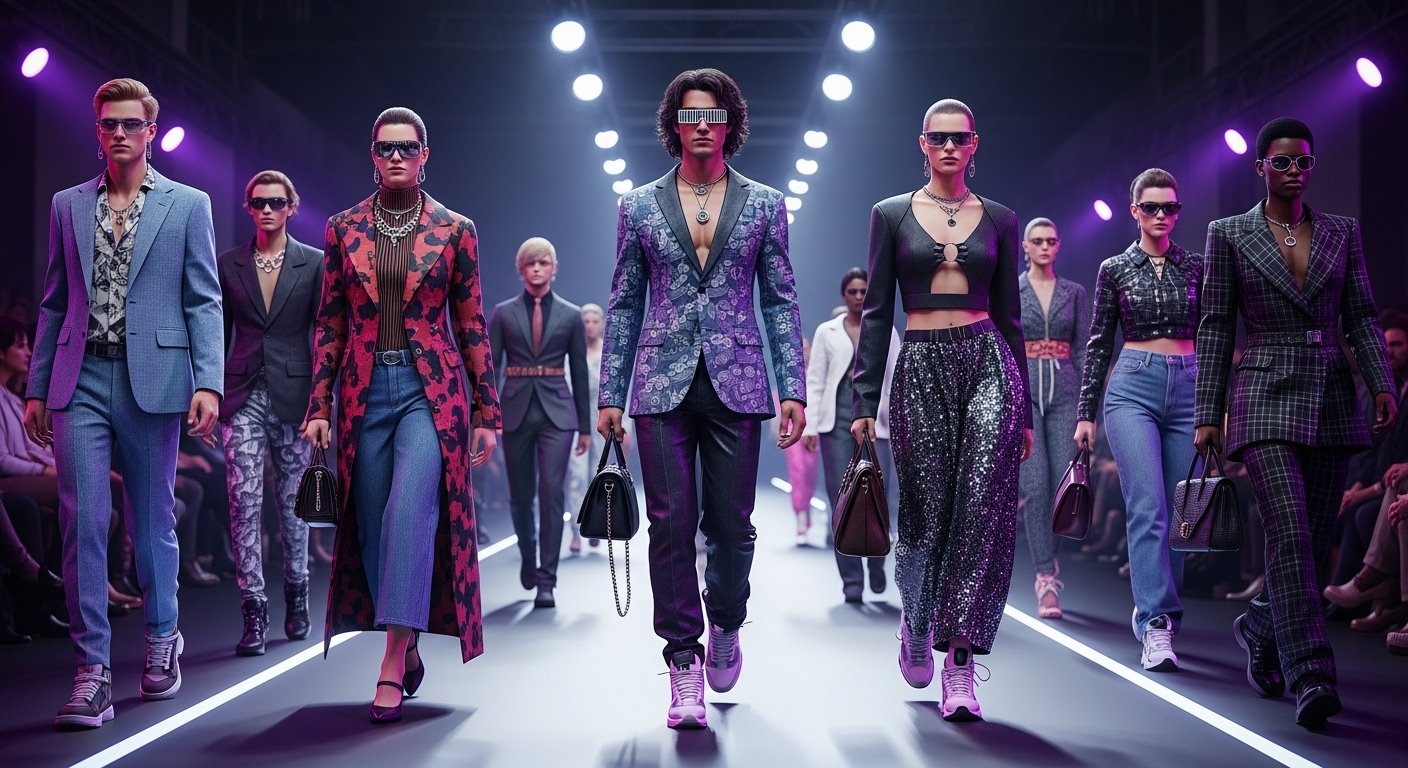
Frequently Asked Questions (FAQ)

Q1: What are the absolute essential pieces for a beginner in men’s fashion?

A1: For beginners, focus on versatile basics: dark wash jeans, tailored chinos, a crisp white dress shirt, a light blue oxford shirt, a navy blazer, classic leather dress shoes (oxfords or brogues), and clean white sneakers. These pieces can be mixed and matched for many occasions.

Q2: How important is tailoring for men’s clothing?

A2: Tailoring is extremely important; it can elevate even inexpensive garments to look high-end. A good fit is paramount for projecting confidence and polish. Ensure suits, trousers, and even shirts are altered to fit your specific body measurements, especially in the shoulders, sleeve length, and pant break.

Q3: How can I develop my personal style without spending a lot of money?

A3: Developing personal style doesn’t require a huge budget. Start by decluttering your current wardrobe and identifying what you already like. Focus on quality over quantity. Shop sales, thrift stores, or consider sustainable brands. Look for inspiration, then experiment with what you already own. Most importantly, prioritize fit and learn how to combine pieces creatively. Confidence in your choices is free and makes any outfit look better.

Fashion Trends: Unveiling the Hottest Styles and Their Impact

Fashion is a dynamic and ever-evolving language, reflecting societal shifts, cultural movements, and individual expressions. Understanding fashion trends is not merely about keeping up with the latest clothing; rather, it’s about grasping the pulse of our collective aesthetic and the forces that shape it. From runway extravaganzas to street style interpretations, trends dictate what we wear, how we perceive beauty, and ultimately, how we present ourselves to the world. Therefore, delving into the current and upcoming movements offers valuable insights.

Understanding the Dynamics of Fashion Trends

Fashion trends are complex phenomena, emerging from a myriad of influences and following distinct life cycles. Indeed, they rarely appear out of nowhere; instead, they are often a culmination of various creative and societal factors.

What Drives New Styles?

Several key drivers propel the emergence of new styles. Firstly, high-fashion designers and luxury brands play a pivotal role, showcasing innovative collections that often set the initial tone. Secondly, celebrities and social media influencers wield immense power, popularizing specific looks or items to a global audience almost instantly. Furthermore, cultural shifts, such as increased environmental awareness or a desire for comfort, significantly impact design directions. Economic factors, technological advancements, and even political climates also contribute to the ongoing evolution of fashion. Consequently, these diverse influences converge to define what becomes fashionable.

The Trend Cycle: From Runway to Reality

Every fashion trend typically follows a predictable life cycle, moving from its inception to widespread adoption and eventual decline. Initially, a trend is introduced, often on the runway or through niche subcultures. Subsequently, it gains traction as early adopters embrace it, leading to increased visibility. The trend then reaches its peak, becoming widely popular and accessible through mass-market retailers. However, as saturation occurs, interest begins to wane, and the trend enters a decline phase. Ultimately, it may become obsolete, only to potentially resurface years later in a reimagined form. This cyclical nature is fundamental to the industry.

Current Fashion Trends Dominating the Scene

Today’s fashion landscape is incredibly diverse, characterized by a blend of comfort, nostalgia, and a growing consciousness. These prevailing fashion trends reflect broader societal values and consumer preferences. For instance, the demand for versatile pieces is higher than ever.

Sustainable and Ethical Fashion

One of the most significant and enduring fashion trends is the shift towards sustainability and ethical production. Consumers are increasingly demanding transparency and responsibility from brands. This trend encompasses various aspects, including:

  • Eco-friendly materials: Organic cotton, recycled polyester, Tencel, and innovative bio-based fabrics are gaining prominence.
  • Upcycling and repurposing: Giving new life to old garments reduces waste and encourages creativity.
  • Slow fashion: Prioritizing quality over quantity, encouraging mindful consumption and investing in durable pieces.
  • Fair labor practices: Ensuring safe working conditions and fair wages throughout the supply chain.

Consequently, brands are adapting their strategies to meet these evolving expectations.

Comfort-Centric Apparel

The pandemic undeniably accelerated the embrace of comfort, solidifying it as a core element of modern style. Athleisure continues to thrive, blurring the lines between sportswear and everyday wear. Moreover, oversized silhouettes, relaxed fits, and luxurious loungewear have become wardrobe staples. This emphasis on ease and practicality underscores a desire for clothing that supports a more relaxed lifestyle. Indeed, functionality is now just as important as aesthetics.

Nostalgia Reimagined

Fashion is inherently cyclical, and recent years have seen a strong resurgence of past eras. Y2K fashion, with its low-rise jeans, crop tops, and vibrant colors, has made a powerful comeback. Similarly, the grunge aesthetic of the 90s and the bohemian chic of the 70s continue to influence contemporary collections. Designers often reinterpret these nostalgic elements with a modern twist, making them feel fresh and relevant for today’s consumer. Therefore, vintage inspiration remains a powerful wellspring of ideas.

Bold Colors and Playful Patterns

After periods of uncertainty, there’s a collective desire for joy and optimism, which is visibly reflected in current fashion trends. Dopamine dressing – wearing bright, mood-boosting colors – is prevalent. Vibrant hues like fuchsia, emerald green, and electric blue are popular. Furthermore, playful patterns, from intricate florals to abstract geometrics, are being mixed and matched with confidence. This trend allows for greater self-expression and a more lighthearted approach to dressing.

Gender-Neutral Styles

The fashion industry is progressively embracing fluidity, breaking down traditional gender binaries. Gender-neutral or gender-fluid styles offer versatile garments designed to be worn by anyone, regardless of gender identity. This includes oversized blazers, tailored trousers, and minimalist essentials that transcend conventional categorizations. Consequently, this movement promotes inclusivity and broadens creative possibilities within design.

How to Incorporate Fashion Trends into Your Wardrobe

Navigating the world of fashion trends can be exhilarating, yet it’s essential to integrate them thoughtfully into your personal style. It is not about blindly following every new fad, but rather about adapting what resonates with you.

Identify Your Personal Style

Before diving into new trends, understand your core personal style. What colors do you prefer? Which silhouettes flatter you most? What is your lifestyle? Building a solid foundation of classic, well-fitting pieces that reflect your taste will make incorporating trends much easier. Ultimately, your wardrobe should feel authentic to you.

Invest Wisely

When adopting a new trend, consider investing in versatile pieces that can be easily integrated with your existing wardrobe. For instance, instead of buying a full trendy outfit, opt for a key item like a statement top, a unique accessory, or a pair of on-trend shoes. Prioritize quality over quantity, especially for items you expect to wear frequently. This approach ensures longevity and avoids unnecessary clutter.

Accessorize Strategically

Accessories are powerful tools for updating an outfit and embracing current fashion trends without a complete wardrobe overhaul. A trendy handbag, a pair of chunky boots, or a bold piece of jewelry can instantly elevate a classic look. Moreover, they offer an affordable and low-commitment way to experiment with new aesthetics. Therefore, accessories are often your best friend for staying current.

Experiment and Have Fun

Fashion should be enjoyable. Don’t be afraid to experiment with different combinations, mix high-end pieces with affordable finds, and personalize trends to suit your taste. Try new silhouettes, play with colors you wouldn’t normally wear, or layer pieces in unexpected ways. Ultimately, the goal is to feel confident and comfortable in what you wear. Consequently, embrace the creative process and let your personality shine through.

Predicting Future Fashion Trends

Anticipating future fashion trends involves analyzing current societal shifts, technological advancements, and emerging cultural phenomena. While impossible to predict with absolute certainty, certain indicators offer valuable clues.

The Role of Technology

Technology is increasingly shaping the future of fashion. AI-driven design, virtual fashion shows, and digital wardrobes are no longer concepts but realities. Furthermore, advancements in material science are leading to innovative fabrics that are more sustainable, functional, and even responsive to environmental changes. We can expect to see more personalized fashion experiences driven by data and augmented reality. Consequently, the intersection of tech and style will only deepen.

Global Influences

The interconnectedness of our world means that fashion is becoming increasingly globalized. Inspiration flows freely across continents, leading to a rich tapestry of cross-cultural influences. Emerging markets and diverse cultural aesthetics will continue to play a significant role in shaping global fashion trends. Therefore, expect a continued blurring of traditional style boundaries.

Societal Shifts

Major societal shifts, such as concerns about climate change, economic fluctuations, and evolving social values, will undoubtedly influence future fashion directions. We may see a continued emphasis on durability, versatility, and conscious consumption. Furthermore, changing work environments could lead to new categories of professional yet comfortable attire. Ultimately, fashion will continue to mirror the world around us.

Emerging Designers and Niche Markets

Keep an eye on emerging designers and niche markets, as they are often the incubators of future fashion trends. These independent creatives and subcultures frequently challenge norms and introduce fresh perspectives that eventually filter into mainstream fashion. Their innovative approaches provide a glimpse into the next big thing. Consequently, diversity in design remains crucial for innovation.

Conclusion

Fashion trends are a captivating reflection of our ever-evolving world, driven by a complex interplay of cultural, social, and technological forces. Understanding these dynamics allows us to appreciate not only the aesthetic shifts but also the deeper meanings behind what we wear. By thoughtfully engaging with current styles and anticipating future movements, individuals can cultivate a wardrobe that is both relevant and deeply personal. Ultimately, fashion is a powerful form of self-expression, and staying informed about its trends empowers us to tell our unique story with confidence and flair.

If you value comfort, durability, and modern design, then Wear Nevora is a brand worth exploring.

Feel free to contact us on WhatsApp or visit our Contact Page for any questions or support.

Frequently Asked Questions (FAQ)

Q1: How often do fashion trends change?

A1: Fashion trends are constantly evolving, with major shifts typically occurring seasonally (Spring/Summer, Fall/Winter). However, micro-trends can emerge and fade within weeks due, in part, to the rapid dissemination of information via social media. Longer-term macro trends might last for several years.

Q2: Are sustainable fashion trends truly impactful?

A2: Indeed, sustainable fashion trends are becoming increasingly impactful. They encourage consumers and brands alike to prioritize ethical production, eco-friendly materials, and responsible consumption. This movement aims to reduce the industry’s environmental footprint and promote fair labor practices, leading to significant positive change.

Q3: How can I find my personal style amidst so many changing fashion trends?

A3: Discovering your personal style involves understanding your body shape, preferences, and lifestyle. Start by curating a mood board, identifying core pieces you love, and experimenting with how current fashion trends can complement your existing wardrobe. Focus on versatility and comfort, using trends as inspiration rather than strict rules.